The United Arab Emirates blends modern progress with age-old traditions, and at the heart of those traditions is the date palm. Known in Arabic as “tamr”, dates are often called the “fruit of life” because they have nourished generations of Emiratis for thousands of years.
This is more than just a food item in Emirati culture—they are a symbol of hospitality, tradition, religion, and resilience in the harsh desert climate. From being a source of daily nutrition to holding deep cultural and spiritual value, it continues to play a central role in the UAE’s identity.
The Historical and Cultural Roots of Dates in the UAE
Palms have been cultivated in the Arabian Peninsula for more than 5,000 years. In a region where fertile land and water were scarce, the date palm was a true gift of nature. Every part of the palm tree was valuable: the fruit provided food, the fronds were used for building homes, and the trunks supported traditional structures.
Importance in Daily Life of the Past
In earlier times, life in the desert was difficult. Palm fruit offer energy, nutrition, and long-lasting storage, making them essential for survival. Nomadic Bedouins carried dates with them on long journeys, while settled communities relied on them as a staple part of their diet.
- Source of energy: These fruits are naturally high in sugar and calories, which helps people survive in the desert heat.
- Preservation: Dried date fruit could last for months without spoiling, a key advantage in a region without refrigeration.
- Versatility: they were eaten fresh, dried, or mixed with milk, fish, or bread.
Symbol of Hospitality
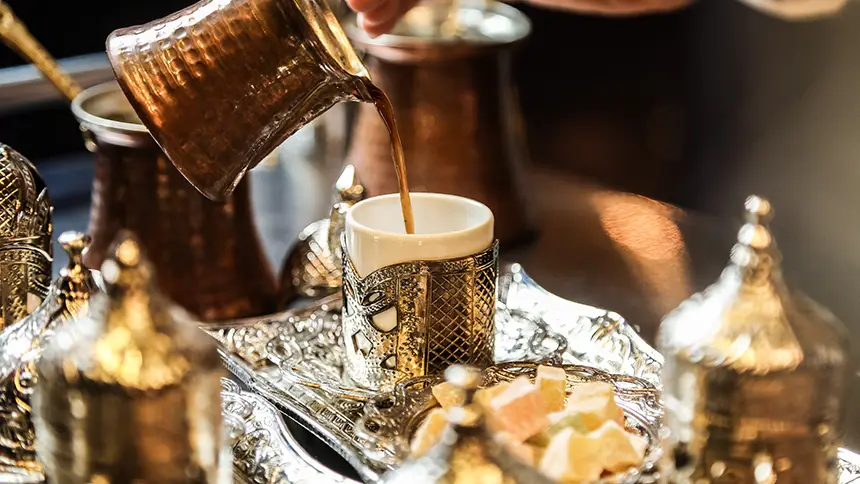
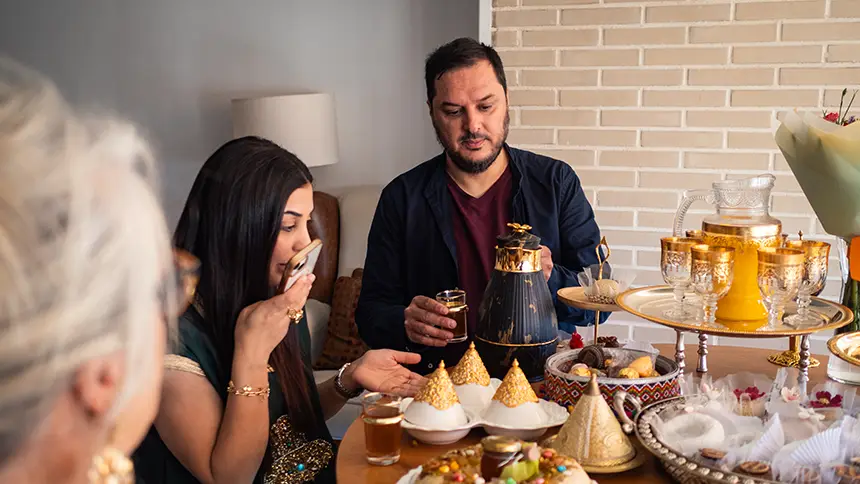
Hospitality is a cornerstone of Emirati culture, and palm fruit is often the first food offered to guests. Traditionally, visitors are welcomed with Date fruit and Arabic coffee (Gahwa), a practice that continues today. Offering it symbolizes warmth, generosity, and respect. Serving this fruit shows the host’s appreciation and kindness, reflecting the deep connection between Emirati customs and nature’s resources. Even in modern settings like hotels, guests are often welcomed with dates and coffee, keeping this tradition alive in contemporary life.
Religious connection
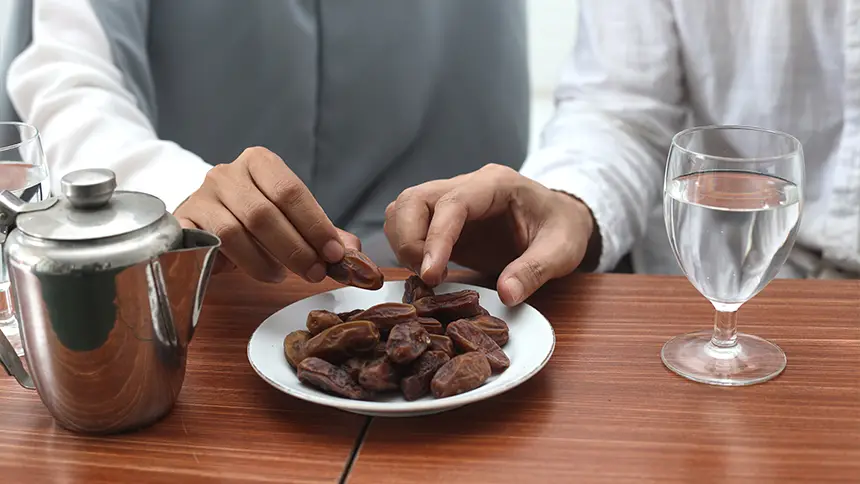
The fruit of life also holds a sacred place in Islam. The Prophet Muhammad (peace be upon him) is said to have broken his fast with Palm fruit and water during Ramadan. Because of this tradition, Muslims across the UAE and the wider world continue to do the same.
- Ramadan Connection: Palm fruit is the first food eaten at sunset during Iftar, symbolizing purity and gratitude.
- Charity: these are often given to the poor as part of zakat (charitable giving).
- Festivals: During Eid, families share dates with relatives and neighbors.
Thus, date fruit are not just physical nourishment; they are also spiritual nourishment, connecting food to faith.
Varieties, Farming, and Uses
The UAE is home to hundreds of varieties of palm produce, each with its own taste, texture, and color. Some are soft and sweet, while others are dry and chewy. Today, the country produces millions of tons of date fruits annually, making it one of the largest date producers in the world.
Famous Varieties of Dates in the UAE
- Khalas: Soft, caramel-flavored, often served with coffee.
- Lulu: Small and round, with a sweet and chewy texture.
- Barhi: Yellow when fresh and crunchy, turning golden brown when dried.
- Deglet Noor: Semi-dry, popular for cooking and baking.
- Fardh: Dark red-purple skin, firm and less sticky.
These varieties are not only enjoyed locally but also exported worldwide.
Date Farming in the UAE
Farming palm fruits is a tradition that combines ancient techniques with modern innovation. The UAE government has invested heavily in supporting date cultivation, ensuring that palm trees continue to thrive. Traditional falaj irrigation channels were once used to water date palms, but today modern drip irrigation systems help conserve water more efficiently. Alongside this, scientific research programs focus on pest control and improving the quality of the fruit, ensuring that the date industry remains strong. The date palm is also celebrated as a national symbol, appearing in logos, art, and even coins, highlighting its deep cultural importance. Each year, the UAE hosts the Liwa Date Festival, where the finest fruits are showcased and farmers are honored for preserving this rich heritage.
Everyday Uses
Dates are incredibly versatile and used in many ways:
- Snacks: Eaten plain or stuffed with nuts, almonds, or cream cheese.
- Cooking: Used in stews, rice dishes, or desserts.
- Sweets: Made into syrups, pastes, and cakes.
- Health Products: Processed into energy bars, juices, and even coffee alternatives.
- Traditional Medicine: Date fruits are believed to boost energy, improve digestion, and strengthen immunity.
Dates in Modern Emirati Life
Despite the UAE’s rapid modernization, Fruit of the palm remains a constant presence in daily and cultural life. The balance between heritage and progress can be clearly seen in how these fruits are celebrated today.
Dates in Emirati Hospitality Today
Even in luxurious hotels and airports, the tradition of serving dates with Arabic coffee remains alive, instantly connecting visitors to Emirati culture. Guests are welcomed with trays of premium dates, while weddings, festivals, and official events often feature beautifully arranged displays. In recent years, luxury brands have also begun packaging it in elegant gift boxes, transforming this ancient fruit into high-end souvenirs that carry both cultural meaning and modern appeal.
Economic Importance
Dates are not only cultural symbols but also valuable exports, with the UAE ranking among the top global suppliers and shipping its produce to Europe, Asia, and beyond. The industry supports thousands of farmers and workers, while also boosting tourism through date farms and festivals that attract visitors eager to experience Emirati traditions. At the same time, innovation has opened new markets with products such as date chocolates, spreads, and even beauty items, proving that this ancient fruit continues to adapt to modern demands.
Health and Nutrition Value
Modern lifestyles have highlighted the health benefits of dates, making them popular globally as a superfood. They are now widely recognized as a natural source of energy and wellness, appealing to both traditional and modern diets.
- Rich in natural sugars for quick energy.
- Packed with fiber, which aids digestion.
- Full of minerals like potassium, magnesium, and iron.
- Contain antioxidants that protect against diseases.
For Emiratis, what was once survival food is now recognized worldwide as a natural health booster.
Conclusion
Dates are far more than just a fruit in Emirati culture, they are symbols of history, survival, religion, and hospitality. For centuries, they sustained the Bedouins in the desert, provided comfort to travelers, and carried deep religious significance. Today, they continue to shape both the daily lives of Emiratis and the image of the UAE around the world.
In modern times, this traditional delicacy is celebrated not only for its taste but also for its cultural and economic value. Whether enjoyed during Ramadan, offered to a guest with Arabic coffee, or gifted in luxury boxes, dates remain a living connection between the UAE’s past and present. Dates are more than food; they are a story of resilience, generosity, and tradition that continues to inspire Emirati life today.