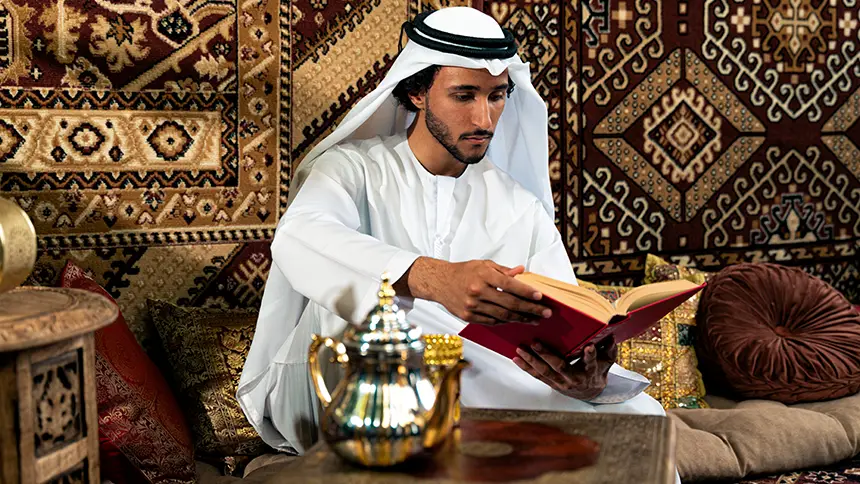
The United Arab Emirates has a deep connection to traditions that shaped the daily lives of ancestors. Two of the most cherished artistic practices are Sadu weaving and pottery making. Both skills were more than just creative expression; they were essential for survival, identity, and storytelling. Passed down through generations, these skills highlight the resourcefulness of people living in deserts and coastal regions. They continue to inspire the younger generation and preserve links to cultural roots in a rapidly changing society.
The Heritage of Sadu Weaving
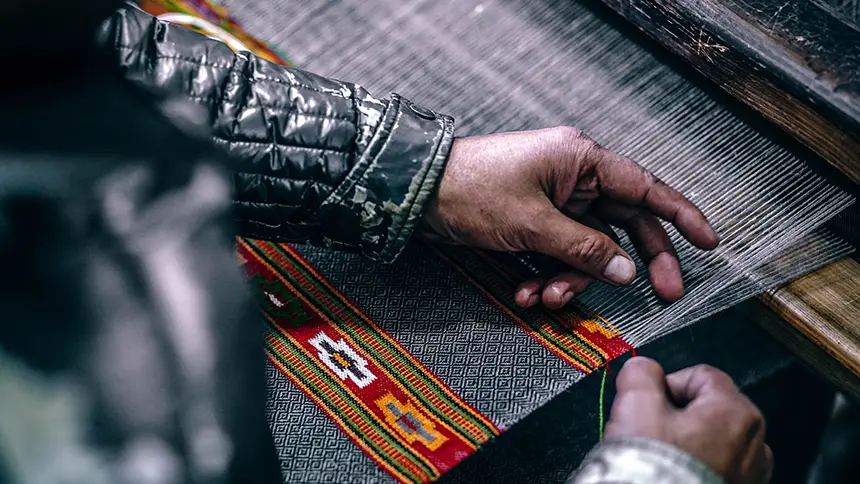
It is a traditional form of textile art created mainly by Bedouin women in desert communities. It involves handcrafting beautiful fabric using wool from camels, goats, and sheep. The style is known for its bold geometric patterns, mostly in red, white, black, and beige. Each design reflects not only artistic talent but also messages about lifestyle, beliefs, and the environment.
Origins and Importance
This weaving technique originated in the nomadic lifestyle of desert tribes. Long journeys across harsh landscapes required practical items such as tents, camel saddles, rugs, and bags. Sadu fabrics provided strength, comfort, and decoration, making them both useful and meaningful. Beyond physical use, Sadu also created bonds within families, as women worked together and shared knowledge, strengthening community ties.
Materials
The process of making Sadu fabric began with natural resources found in the desert environment.
- Animal wool: Fibers were gathered from camels, sheep, and goats.
- Natural dyes: Colors come from plants, roots, and minerals, creating earthy shades of red, black, beige, and white.
- Yarn: The cleaned and spun fibers were turned into strong threads ready for weaving.
Techniques
Skilled weavers transformed these simple materials into textiles through traditional methods.
- Shearing and spinning: Wool was carefully cleaned, combed, and twisted into yarn by hand.
- Loom weaving: A ground loom, often set up outdoors, was used to weave long strips of fabric.
- Geometric designs: Patterns such as diamonds, stripes, and zigzags were added, symbolizing dunes, stars, and animals.
Every woven piece told a story. The shapes and lines represented dunes, stars, or desert animals, transforming daily objects into works of symbolic art.
Cultural Value
Sadu weaving was not only about function; it was also about expressing identity. Women proudly displayed their skills, and families treasured the fabric for ceremonies, dowries, and hospitality. In fact, UNESCO has recognized Sadu weaving as an Intangible Cultural Heritage of Humanity, protecting and celebrating this knowledge.
Modern Revival
Today, Sadu weaving faces challenges from industrial fabrics and shifting lifestyles, yet it continues to survive through strong preservation efforts. Governments and cultural organizations in the UAE have established craft centers to teach young people the art of weaving, while exhibitions introduce these textiles to international audiences. Fashion designers are also embracing traditional motifs, blending them into modern clothing lines and accessories. In addition, community workshops bring the elderly and young together, ensuring that knowledge is passed down directly from one generation to the next. This combination of heritage and innovation guarantees that Sadu weaving is not only remembered but also reshaped for the future.
The Art of Pottery in the Emirates
Pottery is another long-practiced form of art that reflects the creativity and practicality of early Gulf communities. From household containers to decorative objects, clay items played an important role in desert and coastal settlements. The craft has been discovered in archaeological sites dating back thousands of years, showing its deep historical roots.
Historical Role
In ancient times, pottery served daily needs for cooking, storage, and carrying water. Without refrigeration or plastic, clay containers kept food cool and protected from the desert heat. Vessels also carried dates, milk, and other staples. Large jars were buried in sand to preserve water for long journeys.
In addition to utility, pottery reflected cultural contact with neighboring regions. Traders brought techniques and decorative styles from Mesopotamia, Persia, and India, which blended with local designs to form unique Emirati expressions.
Crafting Techniques
Pottery production required simple tools but a great deal of knowledge:
- Clay collection: Sourced from riverbeds or desert soil.
- Preparation: Clay was cleaned and mixed with water to make it workable.
- Shaping: Potters use their hands or a wheel to form jars, bowls, or cups.
- Decoration: Incised lines, painted motifs, or stamped marks gave character to each piece.
- Firing: Vessels were hardened in open fires or simple kilns, making them durable.
Though each item was handmade, functionality was always combined with artistry. Patterns often reflected the environment, waves, palm trees, or stars, linking the vessels to daily surroundings.
Cultural Symbolism
Pottery was not only created for storage or cooking but also carried deep social meaning. Large water jars were often offered to travelers as a sign of generosity, while beautifully decorated pots were presented as wedding gifts, symbolizing new beginnings. Certain vessels also played a role in religious rituals, linking households to spiritual life. Together, these practices show how clay items were closely connected to values such as hospitality, respect, and community spirit.
Modern Preservation
Pottery has been challenged by the rise of industrial alternatives such as metal, glass, and plastic, yet it continues to be celebrated as a vital part of Emirati heritage. Museums now display ancient clay items discovered in archaeological sites, while cultural villages host live demonstrations where artisans showcase traditional pottery-making techniques. Educational programs also introduce children to the art of molding and decorating clay, ensuring the craft is passed on to younger generations. At the same time, contemporary artists are reinterpreting traditional shapes in modern designs, blending history with creativity. Through these combined efforts, pottery remains a lasting symbol of resilience and cultural identity.
Shared Significance of Sadu and Pottery
Although weaving and pottery differ in materials and methods, they share important cultural roles:
- Survival tools: Both crafts provided items essential for desert life.
- Artistic expression: Patterns and designs turned ordinary objects into symbols of identity.
- Community bonds: Passed through generations, these skills connected families and strengthened social ties.
- Cultural pride: Both practices represent resilience, creativity, and the ability to adapt.
- Modern inspiration: Today, designers, educators, and artists continue to draw from these crafts for fresh creations.
The combination of practicality and beauty shows how ancestral skills went far beyond simple utility, embodying spirit and memory.
Why Preserving Traditional Crafts Matters
In today’s fast-changing world, traditional skills like weaving and pottery risk fading, yet preserving them remains vital. These crafts connect people to their ancestors, strengthen cultural identity, and prevent the loss of heritage. They also support tourism and create opportunities for artisans, while their reliance on natural fibers and clay makes them eco-friendly. Most importantly, teaching younger generations these skills fosters respect, creativity, and pride. By supporting artisans and valuing heritage, society ensures that such crafts continue to thrive in the modern era.
Conclusion
Sadu weaving and pottery are more than simple skills, they are living symbols of creativity, endurance, and cultural pride in the United Arab Emirates. Through textiles and clay, ancestors shaped not only tools for daily life but also stories about who they were and how they lived. Today, these crafts face challenges, but they are also experiencing revival through education, tourism, and creative innovation.
Preserving weaving and pottery means protecting history while inspiring the future. By learning, practicing, and valuing these skills, every generation can carry forward the spirit of the desert, the sea, and the community that gave birth to them. These crafts remind us that tradition is not something of the past, it is a guiding light for the future.