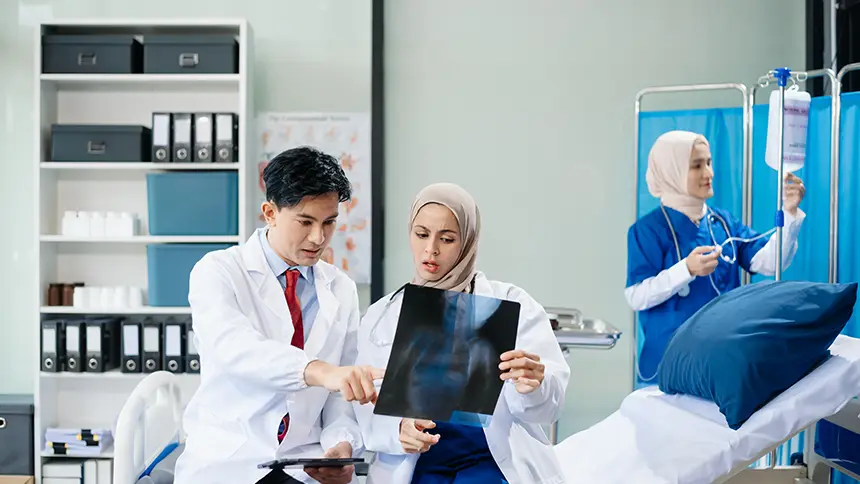
The United Arab Emirates is emerging as one of the fastest-growing healthcare markets in the world. With a strong economy, visionary government initiatives, and a focus on innovation, the UAE has become a magnet for health industry investment, medical tourism, and technological advancements. Businesses in pharmaceuticals, biotechnology, medical devices, wellness, and digital health have a unique opportunity to enter or expand in a market that combines high demand with forward-looking policies. This article provides a detailed exploration of the UAE’s medical sector growth, emerging trends, investment opportunities, and strategic considerations for businesses looking to thrive in this dynamic sector.
Market Overview: A Thriving Health Sector
The UAE healthcare sector has grown rapidly over the past decade, driven by economic diversification, population growth, and government support. In 2024, the sector is valued at approximately USD 34 billion, and it is projected to reach USD 50 billion by 2029, reflecting a compound annual growth rate of around 8%. The government’s continued investment in hospitals, clinics, and digital health infrastructure has created an environment conducive to innovation and private-sector participation.
Private investment plays a crucial role in this ecosystem. Healthcare spending by private entities is projected to grow faster than public expenditure, offering opportunities for partnerships, joint ventures, and private medical sector projects. This blend of public and private support provides businesses with a robust platform for long-term growth.
Key Growth Drivers
Population Dynamics and Health Needs
One of the primary drivers of healthcare growth in the UAE is its population dynamics. The country is witnessing increased life expectancy alongside a rise in chronic diseases such as diabetes, cardiovascular disorders, and obesity. These trends have led to higher demand for specialized services, advanced medical procedures, and preventive care programs.
Medical tourism is another major factor. Cities like Dubai and Abu Dhabi are positioning themselves as regional hubs for high-quality medical treatments, attracting patients from Asia, Europe, and the Middle East. This has created demand not only for world-class hospitals but also for supporting services such as accommodation, transportation, and post-treatment care. Businesses that can offer integrated services for international patients can capture a share of this growing market.
Technological Advancements
The UAE has embraced technology as a key enabler of healthcare growth. Digital health solutions, including telemedicine platforms, electronic health records, and AI-based diagnostic tools, are becoming mainstream. These technologies improve patient outcomes, increase efficiency, and reduce operational costs for medical care providers.
Smart healthcare is another area of rapid development. Hospitals and clinics are investing in connected devices, remote monitoring systems, and predictive analytics to enhance patient care. The demand for these technologies is expected to grow exponentially, offering opportunities for technology providers, software developers, and medical device manufacturers.
Policy and Regulatory Support
Government policies have been instrumental in supporting the healthcare sector. Licensing and accreditation processes are being streamlined through digital platforms, making it easier for medical sector professionals and companies to operate. Investment incentives, including tax exemptions and public-private partnership opportunities, further encourage foreign and domestic investment.
Regulatory support also extends to research and innovation. The UAE is fostering an environment conducive to clinical trials, pharmaceutical research, and biotechnology initiatives. This has positioned the country as a regional leader in medical innovation, attracting businesses seeking to develop and test new therapies and treatments.
Emerging Trends in the UAE Healthcare Sector
Precision Medicine and Genomics
Precision medicine is gaining momentum in the UAE, driven by large-scale genomic projects and research initiatives. By analyzing genetic data, healthcare providers can offer personalized treatments that are more effective and tailored to individual patients. This has created opportunities for pharmaceutical companies, research institutions, and specialized clinics focusing on genomics and personalized therapies.
Home Healthcare Services
The UAE is experiencing a shift toward home-based care, fueled by an aging population and patient preference for treatment in the comfort of their homes. The home healthcare market is expected to nearly double in value over the next decade. This trend presents opportunities for home care providers, medical equipment suppliers, and telehealth companies offering remote monitoring and consultation services.
Health and Wellness Industry
Beyond traditional healthcare, the wellness and fitness sector is growing rapidly. Increasing awareness about preventive health, mental well-being, and lifestyle management has fueled demand for gyms, wellness centers, nutritional counseling, and holistic health services. The market is projected to reach several billion dollars in the coming years, providing ample opportunities for entrepreneurs and investors in the wellness space.
Contract Research and Outsourcing
Outsourcing of clinical research and healthcare services is becoming common. Pharmaceutical companies and medical institutions are increasingly relying on specialized service providers to conduct clinical trials, data analysis, and regulatory compliance tasks. This trend opens doors for businesses offering contract research services and operational support for healthcare projects.
Investment and Business Opportunities
Infrastructure Development
With continuous population growth and medical tourism expansion, the UAE is witnessing a surge in demand for new hospitals, clinics, and specialized centers. This has created opportunities for construction firms, equipment suppliers, and facility management companies. Investors can participate in hospital projects, outpatient clinics, diagnostic labs, and specialty centers such as oncology or cardiology clinics.
Digital Health Solutions
Digital health is a rapidly growing field in the UAE. Companies offering telemedicine platforms, AI-powered diagnostics, patient management systems, and electronic health records have significant potential. Integration with wearable technology and remote monitoring devices can further enhance patient care and generate revenue streams for tech-driven healthcare providers.
Pharmaceutical and Biotechnology
The UAE is actively working to reduce its dependence on imported medicines. This has led to investment in local pharmaceutical manufacturing, biotechnology research, and vaccine production. Businesses focusing on innovative therapies, generics, and biotechnology solutions can benefit from government support and increasing demand for locally produced healthcare products.
Medical Tourism Services
Medical tourism presents a multi-faceted opportunity. Beyond hospitals, businesses offering travel, accommodation, concierge services, and post-treatment rehabilitation for international patients are in high demand. Tailored packages that combine medical care with luxury experiences can attract high-spending patients from around the world.
Strategic Considerations for Businesses
Market Entry Strategies
Entering the UAE healthcare market requires careful planning. Partnerships and joint ventures with local entities can facilitate regulatory compliance and market understanding. Franchising models, especially in wellness and preventive healthcare services, offer scalable expansion opportunities. Understanding local business culture and forming strong networks with key stakeholders are essential for success.
Regulatory Compliance
Adhering to local regulations is critical. Licensing requirements, quality standards, and accreditation processes must be carefully followed. For digital health solutions, compliance with data protection and patient privacy regulations is essential. Non-compliance can lead to legal challenges, reputational damage, and operational setbacks.
Cultural Sensitivity
Healthcare services in the UAE must be culturally sensitive. Respecting local customs, language preferences, and societal norms enhances patient satisfaction and builds trust. Customized health services offerings, female-friendly clinics, and services designed to accommodate diverse cultural backgrounds can differentiate businesses in a competitive market.
Conclusion
The UAE healthcare sector offers a dynamic and rapidly expanding market for businesses seeking growth and innovation. With strong government support, a rising population with evolving health needs, and a focus on technological advancement, the opportunities are vast. From hospital and clinic expansion to digital health, pharmaceuticals, wellness, and medical tourism, investors and entrepreneurs can find multiple avenues to succeed.
Businesses that align with emerging trends, adopt innovative technologies, comply with local regulations, and respect cultural nuances are well-positioned to thrive. By understanding market drivers, investment opportunities, and strategic considerations, companies can harness the potential of the UAE healthcare sector and contribute to a healthier future for the region.