The United Arab Emirates is often associated with futuristic skylines, luxurious malls, and fast-growing cities. Yet behind the modern lifestyle lies a deep cultural heritage shaped by centuries of trade, migration, and survival in the desert. One of the most fascinating aspects of Emirati culture is its cuisine, and at the heart of that cuisine are spices.
For Emiratis, spices are more than cooking ingredients. They tell stories of caravans crossing dunes, dhows sailing across the Arabian Gulf, and families passing down traditions from one generation to the next. Flavors in Emirati kitchens reflect a mixture of influences from India, Persia, East Africa, and the Levant, all blended with local tastes.
The Role of Spices in Emirati Cuisine
Food in the UAE is a combination of necessity, creativity, and trade, so herbs play three main roles here.
- Flavor Enhancers – They add depth to rice, bread, stews, and grilled meats.
- Preservatives – Before refrigeration, certain spices helped keep food fresh for longer periods.
- Medicinal Purposes – Many of them were valued for healing qualities, especially in harsh desert climates.
Cooking in Emirati homes traditionally used fewer ingredients compared to large modern kitchens. Seasonings transformed simple staples like rice, lentils, and fish into aromatic meals.
A Historical Background
The Arabian Peninsula has been part of the spice trade for thousands of years. The ports of Dubai, Sharjah, and Ras Al Khaimah acted as vital gateways, linking India and East Africa with Europe. Exotic flavors reached the Gulf through these channels and quickly became part of local dishes.
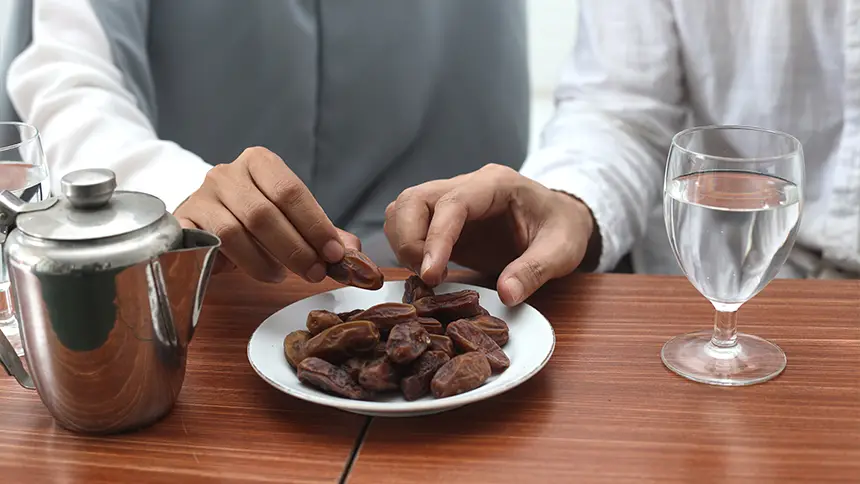
During the pearl diving era, fishermen relied on dried dates and spices as portable, energy-rich supplies. These simple yet nourishing foods sustained them through long and exhausting days at sea.
Caravan routes crossing the desert also played a significant role. Traders brought saffron, cinnamon, and pepper, which they exchanged for pearls, textiles, and incense. These journeys spread not only goods but also culinary traditions across regions.
Maritime trade added another layer of diversity. Wooden dhows sailing across the Indian Ocean carrying cardamom, turmeric, and cloves to Gulf shores. Over time, these ingredients blended into Emirati kitchens, shaping unique flavors.
This constant movement of goods and people turned the Gulf into a melting pot of cultures and tastes, leaving behind a legacy still celebrated in Emirati cuisine today.
Core Spices in Emirati Cooking
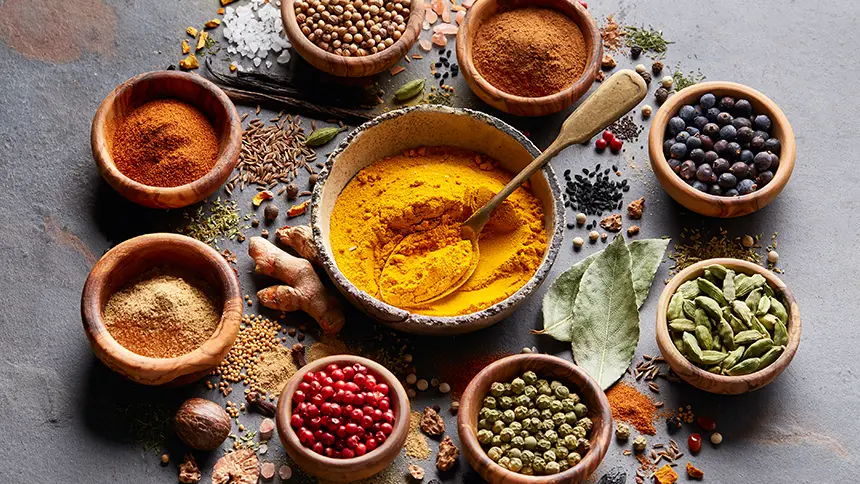
Cardamom (Hail)
- Often called the “Queen of Spices.”
- Used in coffee, desserts, and meat dishes.
- Believed to aid digestion and improve mood.
Saffron (Za’faran)
- Known for its golden color and delicate aroma.
- Used in rice dishes like machboos and festive sweets.
- Considered a luxury spice, often reserved for special occasions.
Turmeric (Kurkum)
- Adds a warm yellow hue and earthy taste.
- Common in fish recipes and curries.
- Associated with anti-inflammatory benefits.
Black Lime (Loomi)
- Dried lime with a sharp, tangy flavor.
- Used in stews, soups, and meat dishes.
- Gives food a signature Emirati sourness.
Cinnamon (Qirfa)
- Adds sweetness to desserts and warmth to savory meals.
- Popular in rice puddings and spiced tea.
Cloves (Qurunful)
- Strong and aromatic, often paired with meats.
- Sometimes included in spice blends.
Cumin (Kamun)
- Earthy and slightly bitter.
- A base spice for many stews and lentil dishes.
Fenugreek (Hilbah)
- Adds a nutty taste.
- Used in bread and traditional remedies.
Spice Blends Unique to Emirati Kitchens
In Emirati households, seasonings are rarely used individually; instead, they are often combined into custom blends that create rich, aromatic flavors. One of the most famous blends is Bzar, which typically includes black pepper, cardamom, cloves, cinnamon, turmeric, coriander, and dried chili. Every family has its own variation, and women traditionally prepare it in large batches to use throughout the year.
Another blend, Zaatar, though more commonly associated with Levantine cuisine, is also used in Emirati kitchens, especially for breads and snacks. Additionally, herbal infusions play an important role in daily life, as local healers often combine dried herbs with spices to create soothing, medicinal drinks. These unique blends highlight the creativity and tradition behind the cooking, showing how these are carefully balanced to enhance both taste and wellness.
Everyday Dishes with Emirati Spices
Machboos
Machboos is a flavorful rice dish cooked with meat, fish, or chicken and spiced with turmeric, black lime, and saffron. It is a staple for family gatherings and festive occasions.
Harees
Harees combine wheat and meat slow-cooked until creamy, lightly seasoned with cinnamon and cardamom. It is especially popular during Ramadan.
Balaleet
Balaleet is a sweet and savory vermicelli dish with eggs, flavored with cardamom, saffron, and sugar.
Regag Bread
Regag is a thin, crispy bread often enjoyed with honey, cheese, or zaatar and sometimes brushed with spice-infused oils.
Arabic Coffee (Gahwa)
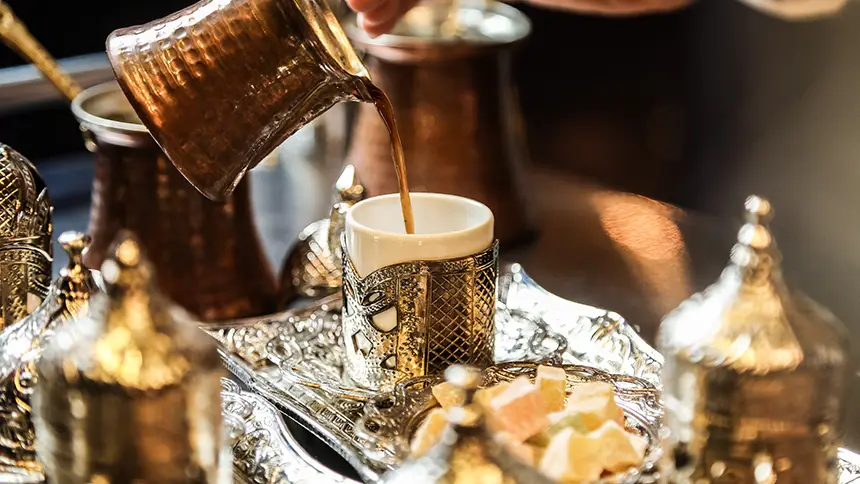
Gahwa is brewed with cardamom and saffron and is always served to guests as a sign of hospitality and respect.
Spices in Daily Life Beyond the Kitchen
In medicine, turmeric is used for wounds, fennel aids digestion, and cinnamon helps with colds. Spices also appear in perfumes, as saffron and cardamom were sometimes added to incense. During ceremonies such as weddings, coffee flavored with cardamom is served as a ritual of hospitality, reflecting both respect and cultural values.
The Symbolism of Spices in Emirati Culture
In Emirati culture, spices are closely tied to identity and values. Serving guests, herbed coffee or meals demonstrates hospitality and generosity. Heritage is preserved through family recipes, with spice blends passed down through generations. In the past, luxury seasonings like saffron were symbols of wealth and status. Shared meals enriched with seasonings also promote unity, bringing families together around the table.
Influence of Globalization
Although globalization has introduced fast food and international restaurants, traditional spices remain significant. Many chefs now blend local spice traditions with modern culinary techniques, creating unique fusion dishes. Restaurants in Dubai and Abu Dhabi proudly showcase authentic Emirati cuisine alongside global menus. Examples include saffron-infused cheesecakes in luxury hotels and cardamom-flavored ice cream that blends tradition with modern tastes. Spice markets, or souks, continue to sell traditional blends alongside imported goods, maintaining a connection to heritage.
Preservation of Spice Heritage
Cultural institutions and households actively work to preserve the role of spices. Cooking classes teach younger generations traditional recipes, while heritage festivals feature food stalls rich in spice-infused dishes. Souks and markets continue the legacy of trade, and tourism initiatives encourage visitors to explore Emirati kitchens and experience authentic flavors firsthand.
Conclusion
Spices in Emirati life are more than seasonings; they are a living memory of desert survival, sea trade, and cultural exchange. From black lime in machboos to saffron in coffee, every flavor tells a story of resilience and hospitality. Though the UAE has transformed into a global hub, its connection to seasonings remains strong. They continue to flavor meals, heal bodies, and express values of generosity. Spices are not just about taste, they are about history, family, and sharing. They remind us that even in the desert, flavor and tradition can thrive.