The Sharjah Light Festival is one of the most spectacular cultural events in the United Arab Emirates. Every year, the emirate of Sharjah transforms its buildings, monuments, and landscapes into glowing works of art. The festival combines technology, creativity, and culture to create magical nights filled with light shows and visual stories.
Started in 2010, it has grown into a world-class attraction that brings together artists, designers, engineers, and visitors from all around the globe. The event highlights Sharjah’s vision of blending tradition with modern innovation while honoring its architectural beauty and cultural roots.
Origins and Purpose
The festival began under the direction of the ruler of Sharjah, His Highness Sheikh Dr. Sultan bin Muhammad Al Qasimi. The goal was simple but powerful, to promote the emirate’s artistic talent, cultural identity, and technological advancement through the universal language of light.
From small beginnings, it expanded rapidly. What started as a few illuminated landmarks has turned into a large-scale celebration covering many parts of the emirate. Today, it serves several purposes:
- Cultural promotion: Showcasing Sharjah’s architecture and heritage in new ways.
- Tourism: Attracting both local residents and international visitors.
- Innovation: Encouraging creativity through digital art and modern design.
- Community: Bringing people together for family-friendly evenings full of joy.
When and Where
The Festival usually takes place in February each year and runs for 12 to 18 nights. The shows begin after sunset and continue until late evening.
Every edition features light displays at multiple landmarks throughout the emirate. Some of the most popular locations include:
- University City Hall – known for its massive dome projection.
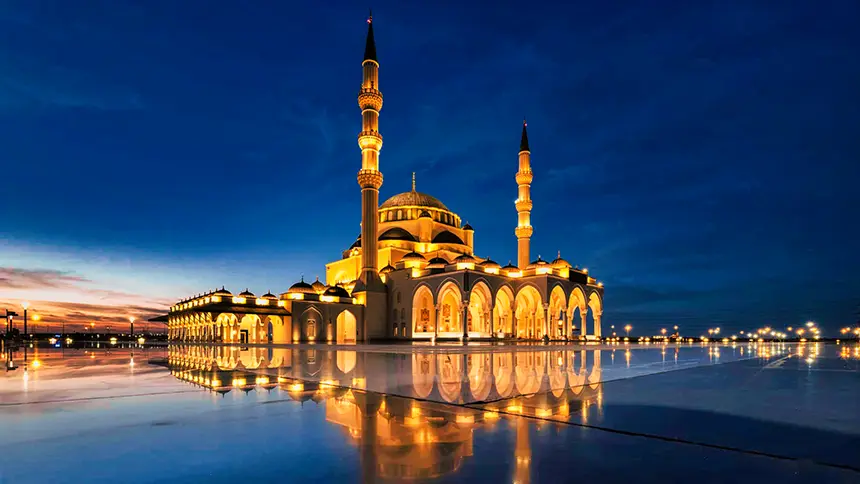
- Sharjah Mosque – a beautiful blend of Islamic architecture and modern lighting.
- Al Majaz Waterfront – reflections on the water create breathtaking visuals.
- Al Rafisah Dam – mountain scenery becomes part of the show.
- Kalba and Khor Fakkan – coastal areas that turn into glowing spectacles.
- Al Dhaid Fort and Al Hamriyah – heritage sites beautifully reimagined.
A highlight of the event is The Light Village, set up near University City Hall. It is a lively area filled with food stalls, art installations, music, and entertainment for families. Visitors can relax, eat, and enjoy live performances after watching the shows.
What to Expect
Light Shows
The main attraction of the festival is its large-scale light projections. Artists use buildings and monuments as giant canvases. With the help of lasers, 3D mapping, and animation, they create moving images that tell stories about culture, nature, science, and human creativity.
Each show usually follows a theme, such as “heritage and innovation,” “sustainability,” or “unity.” The lights are often synchronized with soundtracks, blending music and visuals into one captivating experience.
Some performances focus on traditional Emirati elements like calligraphy, desert life, and architecture. Others explore futuristic designs or abstract art. Together, they turn the entire city into an open-air art gallery.
The Light Village
The Light Village is where visitors gather for food, shopping, and fun activities. It features:
- Food and Drinks: Dozens of stalls offering local and international dishes, from shawarma and coffee to pastries and desserts.
- Shops: Handicrafts, souvenirs, art pieces, and creative designs by local entrepreneurs.
- Family Fun: Games, art tunnels, mirrors, glowing installations, and play areas for children.
- Live Performances: Musicians, cultural shows, and entertainers that keep the atmosphere lively.
This space brings together the artistic and social sides of the festival. It’s not only about watching, it’s about experiencing and interacting.
Visitor Information
The festival is designed for everyone, from families to tourists and photographers.
- Entry: Most shows around the city are free to attend. The Light Village may have a small entrance fee, but children and senior citizens often enter for free.
- Timings: Shows typically begin around 6:00 p.m. and continue until 11:00 p.m. on weekdays, and until midnight or 1:00 a.m. on weekends.
- Facilities: Parking, restrooms, prayer areas, seating, and accessibility features for people with disabilities are provided at major venues.
- Travel: Public transport, taxis, and private cars can easily reach the main sites. Visitors are encouraged to arrive early to avoid traffic and get the best viewing spots.
Cultural and Economic Impact
Cultural Significance
The Sharjah Light Festival celebrates the emirate’s identity as a center of art and knowledge. Many projections highlight Islamic geometry, traditional architecture, and Arabic calligraphy, giving visitors insight into the region’s deep history.
At the same time, it introduces global artistic trends and modern techniques. International designers collaborate with local artists to produce shows that connect the past with the present.
Boost to Tourism
The event attracts hundreds of thousands of visitors each year, including tourists from neighboring countries. Hotels, restaurants, and transportation services see major boosts in activity. Local businesses and artisans benefit from selling crafts and food during the event.
For Sharjah, the festival has become a signature attraction that strengthens its position as a cultural tourism hub in the Gulf region.
Community Spirit
The event also creates a strong sense of community. Families come together to spend time outdoors, schools organize field trips, and artists gain exposure for their talents. The welcoming, peaceful environment reflects Sharjah’s reputation as a family-friendly destination.
Innovation and Sustainability
The festival is not only about beauty, it’s also about progress and responsibility. Many displays use energy-efficient LED lights and environmentally friendly technology. Some themes focus on sustainability, reminding people about the importance of protecting nature and using resources wisely.
New techniques such as projection mapping, motion graphics, and interactive art allow visitors to participate, for example, walking through light tunnels or touching sensors that change colors. These experiences merge art, science, and fun.
Challenges and Considerations
While the event is widely successful, it comes with a few challenges:
- Crowd Management: Large numbers of visitors mean traffic and parking must be carefully organized.
- Weather: Since shows are outdoors, rain or strong wind can sometimes interrupt performances.
- Energy Use: Even with modern technology, power consumption is a concern, so organizers aim to balance spectacle and sustainability.
- Maintenance: Light equipment, screens, and sound systems require careful setup and constant supervision.
Despite these difficulties, the festival’s management teams consistently deliver smooth and enjoyable experiences every year.
Why the Festival Matters
The Festival stands out because it is more than entertainment. It serves multiple purposes that make it important both locally and internationally:
- Cultural Pride: It honors Sharjah’s heritage and architectural landmarks.
- Artistic Expression: Provides a stage for artists to experiment and share their visions.
- Education: Encourages young people to explore design, lighting, and multimedia art.
- Tourism Growth: Brings economic benefits and international attention to the city.
- Innovation: Promotes the use of modern technologies in public art.
For visitors, it’s a reminder that light has emotional and symbolic power, it connects people, inspires ideas, and transforms ordinary nights into extraordinary experiences.
Conclusion
The Sharjah Light Festival is a shining example of how culture and creativity can come together to celebrate both history and the future. What began as a local project has become a symbol of unity, imagination, and progress. Each year, the emirate glows with color, motion, and meaning, inviting people to look at their surroundings with wonder and appreciation. Families laugh, children play, artists express, and communities gather under the soft brilliance of light.