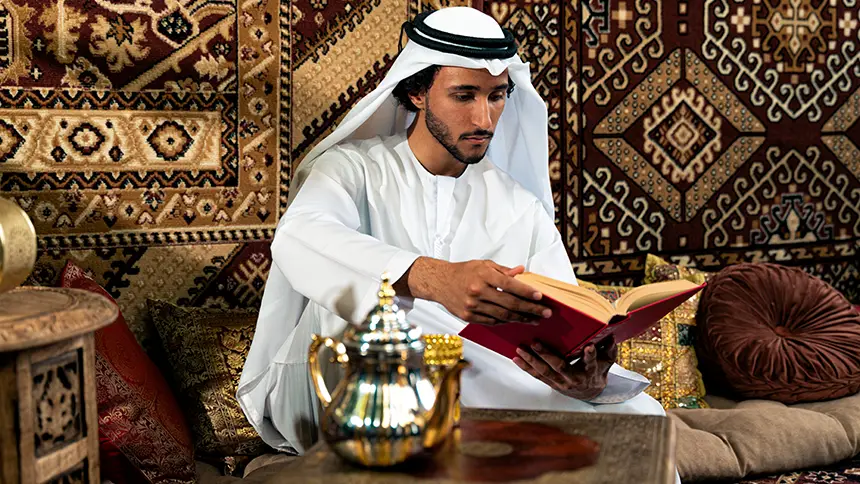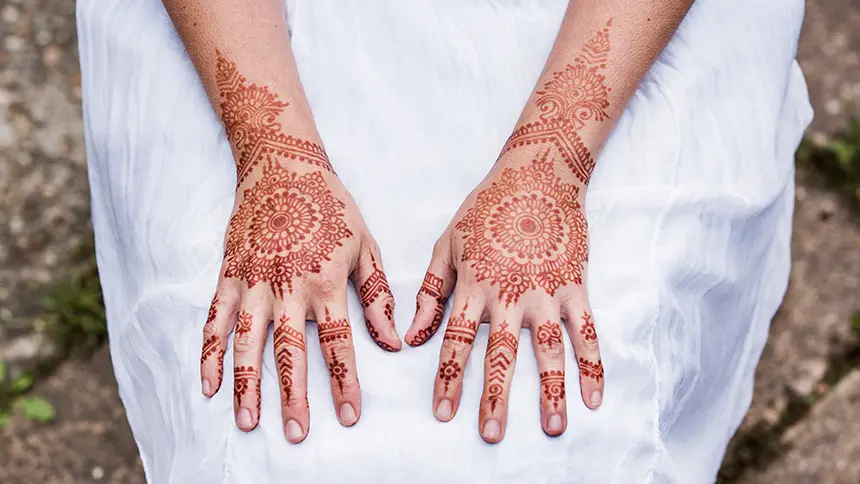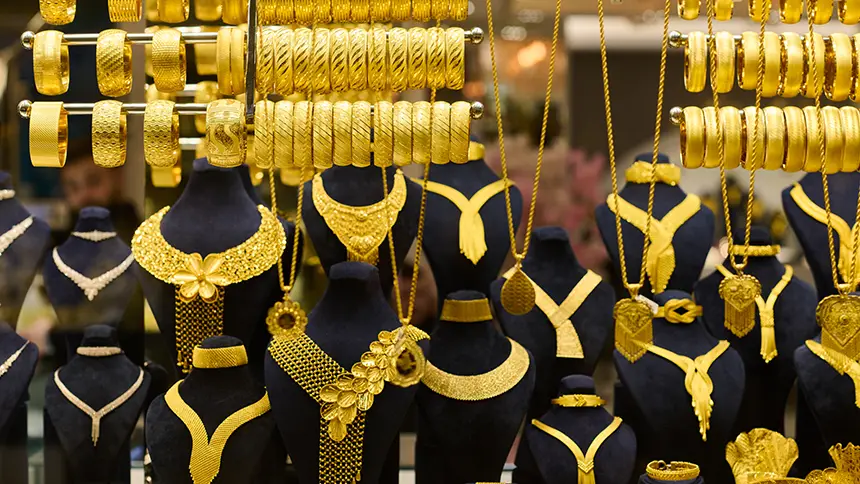
The United Arab Emirates is known worldwide for its luxury, modern architecture, and rich cultural heritage. Among the many aspects of Emirati culture, traditional ornaments stand out as a symbol of identity, wealth, and artistry. Emirati jewelry, crafted meticulously in gold and silver, reflects centuries of heritage, craft skills, and elegance. From intricate necklaces to delicate bracelets, these creations are more than mere accessories, they are treasures that carry stories and traditions.
Historical Significance of Emirati Jewelry
Jewelry in the UAE has been an essential part of life for centuries. Historically, it was not only a decorative accessory but also a representation of social status and family wealth. Gold and silver were highly valued, serving as currency in times of trade and economic exchange. The designs often drew inspiration from the desert, sea, and Islamic art, reflecting the environment and beliefs of the people.
- Gold as a Status Symbol: Emirati women traditionally wore gold to signify wealth and social standing. Larger, ornate pieces were often reserved for special occasions like weddings and celebrations.
- Silver for Everyday Use: Silver jewels were commonly worn for daily adornment. Its affordability and versatility made it a practical choice while still reflecting elegance.
- Cultural Inspirations: Patterns on jewelry often mimic natural elements such as waves, palm trees, and sand dunes, or include Arabic calligraphy representing blessings and good fortune.
These traditions have been passed down through generations, making these ornaments a living testimony of the nation’s heritage.
Craft skills and Techniques
Emirati jewelry is renowned for its intricate craft skills. Skilled artisans spend weeks or even months creating a single piece, combining traditional techniques with modern innovation. Every ornament tells a story, crafted with precision and attention to detail.
Traditional Techniques
- Filigree Work: Delicate threads of gold or silver are twisted and soldered into lace-like patterns, creating ethereal designs often inspired by nature or geometric motifs.
- Granulation: Tiny beads of metal are fused onto the surface, adding texture and elegance. This labor-intensive method requires patience and expertise.
- Engraving: Artisans carve intricate patterns into metal, often incorporating floral motifs, abstract designs, or calligraphy.
- Enameling: Colored enamel is applied to jewelry to add vibrancy and contrast, making the piece visually striking.
Modern Adaptations
While preserving tradition, contemporary creations have embraced innovation. Techniques such as laser engraving, 3D modeling, and advanced casting methods allow for more complex and unique designs, merging heritage with modern aesthetics.
Popular Emirati Jewelry Pieces
It encompasses a wide range of items, each carrying its own significance. Gold and silver remain the primary materials, often embellished with precious stones like diamonds, pearls, and emeralds.
Necklaces
- Statement Necklaces: Large, ornate pieces often worn during weddings or festivals.
- Layered Chains: Multiple thin chains combined with pendants, offering elegance for daily wear.
- Amulet Necklaces: Historically used to provide protection or blessings, frequently featuring inscriptions or symbolic charms.
Bracelets and Bangles
- Cuff Bracelets: Wide bracelets that showcase intricate patterns, sometimes with gemstone inlays.
- Bangles: Worn in multiples, they symbolize tradition and often carry family or tribal significance.
- Charm Bracelets: Modern adaptations that combine traditional motifs with contemporary design.
Rings and Earrings
- Statement Rings: Large rings often paired with gold filigree or precious stones, worn during special events.
- Hoop Earrings: Classic designs adapted for both formal and casual occasions.
- Studs with Engravings: Minimalist yet elegant, frequently featuring Arabic calligraphy or cultural symbols.
Headpieces and Adornments
- Maang Tikka and Hairpins: Jewelry pieces designed to embellish the hair, often used in weddings.
- Traditional Headbands: Crafted with precious metals, sometimes decorated with beads or charms, symbolizing beauty and status.
Symbolism in Emirati Jewelry
It is more than just adornment; it carries deep symbolism that reflects cultural values and personal stories. Gold signifies prosperity and social status, while charms, inscriptions, and talismans offer protection and blessings. Tribal and regional motifs express identity and heritage, and jewelry plays a key role in celebrating weddings, births, and other milestones. This meaning adds emotional value, turning each piece into a treasured heirloom.
Materials Used for ornaments
Luxury metals dominate the jewelry scene in the UAE, with each metal offering unique qualities and cultural significance.
Gold
Gold Ornaments in the UAE are typically 18K to 22K, offering both durability and a rich, luminous color. Artisans create varied tones using yellow, white, and rose gold alloys, while the weight of gold often reflects family wealth and social status.
Silver
Silver remains a popular choice for daily wear due to its affordability and elegance. Its versatility allows artisans to craft intricate filigree and engraved designs, while oxidized silver adds a vintage touch that beautifully highlights patterns and motifs.
Precious Stones
Diamonds, symbolizing purity and sophistication, are often featured in modern designs, while emeralds and rubies add traditional color and depth. Pearls, highly valued in coastal regions, reflect the UAE’s rich maritime heritage.
Emirati Jewelry in Modern Lifestyle
Today, these adornments seamlessly blend tradition with contemporary fashion, as many people pair heritage pieces with modern outfits to create a fusion of past and present. Designers showcase their craft skills at international fashion shows and exhibitions, while clients increasingly seek customized pieces that combine traditional motifs with modern preferences. Beyond beauty, high-quality gold and silver jewelry is also valued as an investment and collectible, maintaining its worth over time.
Shopping
Exploring jewelry in the UAE is an experience in itself, from bustling souks to luxury boutiques.
Traditional Markets (Souks)
- Gold Souk in Dubai: Famous for an extensive range of handcrafted gold items, from simple rings to elaborate necklaces.
- Silver Souks: Offer a variety of intricately designed silver Ornaments, reflecting Emirati culture.
- Bargaining Culture: Haggling is common and part of the shopping experience, often leading to great deals.
Modern Boutiques
- Luxury Retailers: High-end stores in malls feature contemporary designs, combining international trends with Emirati traditions.
- Designer Collections: Local designers craft exclusive pieces for weddings, special events, and fashion enthusiasts.
Tips for Buyers
- Check Purity: Always verify the carat of gold or the quality of silver.
- Understand craft skills: Intricate handwork adds value; examine details carefully.
- Cultural Sensitivity: Some designs have cultural significance; understanding them enhances appreciation.
Caring for Jewelry
Proper care is essential to keep handcrafted pieces beautiful and durable for generations. Regular cleaning with mild soap and soft brushes helps remove dust and oils, while avoiding perfumes, lotions, and household cleaners prevents tarnishing. Jewelry should be stored in soft pouches or lined boxes to protect against scratches, and periodic visits to a professional jeweler for polishing and inspection ensure it remains in excellent condition.
The Future
The craft of gold and silver jewelry in the UAE continues to evolve while remaining rooted in tradition. Many designers now focus on sustainable practices, using ethically sourced materials and environmentally friendly techniques. These creations are gaining global recognition, blending Middle Eastern artistry with international trends, while digital platforms and social media allow artisans to reach a worldwide audience. Despite modernization, the essence of this traditional craft, its deep connection to culture, family, and personal identity, remains at the heart of every creation.
Conclusion
Emirati jewelry is far more than a decorative accessory. Every necklace, bracelet, ring, and headpiece embodies the UAE’s history, values, and artistic vision. Crafted with skillful hands and inspired by nature, tradition, and faith, these pieces carry stories of generations past while embracing modern style. Gold and silver remain at the heart of this artistry, symbolizing wealth, beauty, and cultural pride. Whether purchased in traditional souks or modern boutiques, it continues to shine as a testament to heritage and elegance.