In today’s fast-moving world, people are constantly looking for peace, balance, and inner strength. Wellness retreats have become popular because they offer a break from noise, stress, and daily pressure. Among the many types of retreats, those held in the desert stand out for their calm atmosphere and natural beauty. The wide open landscapes, endless dunes, and silent surroundings create the perfect space to relax, recharge, and reconnect with yourself.
In the heart of these golden sands, yoga and mindfulness come together to form a life-changing experience. Desert wellness retreats are not just holidays; they are journeys toward mental clarity, body renewal, and emotional healing.
Why Choose the Desert for Wellness?
The desert might seem like a harsh place at first, hot during the day and cool at night, but it carries a quiet power that deeply affects the mind and spirit. Its wide horizons help people disconnect from distractions and connect with stillness. The calm atmosphere naturally reduces stress and encourages deep reflection, while the vast scenery inspires awe and appreciation for nature. With fewer noises and gadgets around, it becomes easier to focus on breathing and inner thoughts. Many people also feel spiritually renewed in this tranquil environment, drawn to its peaceful and pure energy.
Yoga in the Desert: A Union of Body and Soul
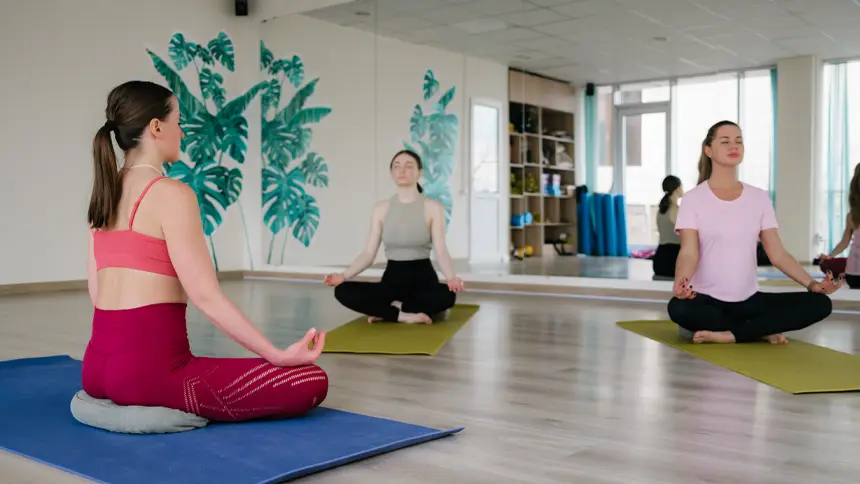
Yoga is much more than just stretching or exercise; it is a practice of uniting body, mind, and spirit. When practiced in the desert, yoga becomes an even more powerful experience. The sound of the wind, the glow of the sunrise, and the gentle sand beneath your feet all add to the feeling of harmony.
Morning and Sunset Sessions
Many retreats start the day with sunrise yoga, where the first rays of light touch the dunes, filling the space with warmth and positivity. The air is cool, and the world feels new. Evening yoga sessions, held during sunset, help participants release the day’s energy and prepare for a calm rest.
Different Yoga Styles Offered
- Hatha Yoga: Focuses on balance and breathing.
- Vinyasa Flow: Involves continuous movement, ideal for those who enjoy rhythm.
- Yin Yoga: Encourages deep relaxation and flexibility.
- Kundalini Yoga: Awakens inner energy through mantras and meditation.
Each style offers something unique, allowing participants to choose based on their goals, whether that’s flexibility, inner peace, or strength.
Mindfulness Practices in the Desert
Mindfulness means living in the present and being aware of every moment without judgment. In the desert, this practice becomes easier because the environment itself supports focus and simplicity. There are no loud horns, flashing screens, or busy schedules, only silence and space.
Activities that Encourage Mindfulness
- Walking Meditation: Walking slowly across the sand while paying attention to each step.
- Breathing Exercises: Using deep breathing to calm the nervous system.
- Silent Reflection: Spending quiet time alone under the open sky.
- Mindful Eating: Enjoying food slowly, noticing flavors and textures.
When practiced daily, mindfulness helps people manage anxiety, build patience, and feel more connected to their surroundings.
Holistic Healing Elements
Most wellness retreats combine yoga and mindfulness with other forms of healing, creating a complete experience that nurtures both body and mind. These programs often include energy therapies, body massages, and detox plans designed to support total well-being. By blending ancient practices with modern techniques, participants are guided toward balance, harmony, and inner renewal.
Common holistic features found in desert retreats include spa treatments inspired by nature, such as scrubs made from dates, sand, and oils, along with sound healing using singing bowls or gongs to balance energy. Aromatherapy with fragrant oils like frankincense and lavender promotes relaxation, while nutrition workshops encourage healthy, plant-based eating. Detox programs often cleanse the body through light meals and herbal drinks. Together, these therapies refresh both body and spirit, helping guests return home feeling renewed, energized, and deeply restored.
Cultural Influence and Local Connection
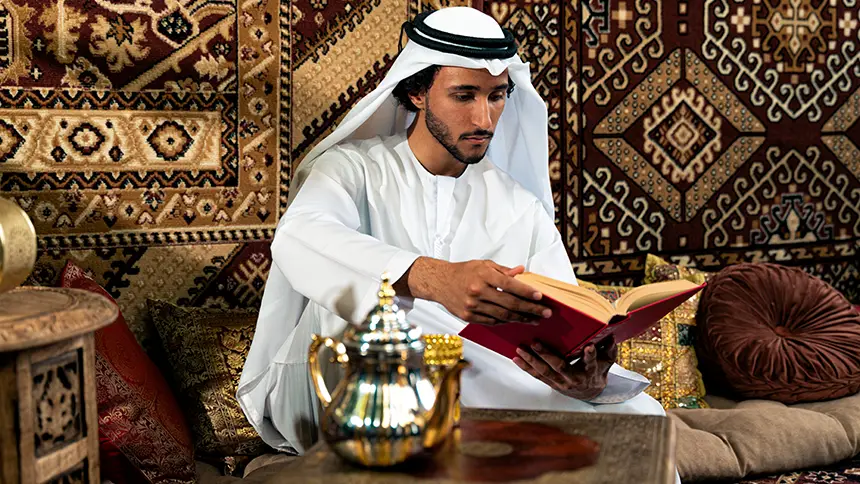
Many desert retreats are set in culturally rich regions such as the Arabian Peninsula, Morocco, or Rajasthan, where local traditions are seamlessly woven into the experience. Guests can enjoy soft drum music under the stars, explore the desert on camel rides, savor nutritious meals prepared with regional herbs and spices, and take part in workshops that teach traditional crafts or storytelling. By embracing these cultural elements, participants gain a deeper appreciation of the land and its people while practicing mindfulness through everyday activities.
Sustainability and Respect for Nature
Wellness retreats also focus on protecting the environment. Many are designed with sustainability in mind, using solar power, local materials, and minimal waste systems. The idea is to live lightly on the land and leave no trace behind.
Sustainable Practices
- Eco-Lodging: Camps built with natural, reusable materials.
- Solar Energy: Powering lights and heating systems through sunlight.
- Water Conservation: Using eco-friendly showers and recycling systems.
- Organic Meals: Serving locally sourced, plant-based dishes.
Guests are often encouraged to follow eco-friendly habits, promoting harmony between humans and nature.
Retreat Activities Beyond Yoga
Apart from yoga and meditation, desert retreats include creative and physical activities that help guests explore personal interests and discover joy through movement.
Popular Add-On Activities
- Stargazing: Observing the clear night sky far from city lights.
- Art Therapy: Painting or sculpting inspired by the colors of the sand.
- Nature Photography: Capturing the golden dunes and wildlife.
- Group Sharing Circles: Open discussions that build emotional connection.
- Journaling Workshops: Writing thoughts and reflections during the retreat.
Such experiences encourage creativity and self-discovery, making the retreat not only about calmness but also inspiration.
Choosing the Right Desert Retreat
Choosing the right desert retreat depends on your personal needs and goals, as options range from luxurious resorts to simple, nature-focused camps. It’s important to define your purpose, whether relaxation, spiritual growth, or physical healing, while checking that the instructors are certified and experienced. Look for authentic retreats that genuinely connect with the environment, ensure accessibility and comfort, and read reviews from past participants. Taking time to research will help you find a retreat that truly aligns with your wellness journey.
Emotional and Physical Benefits
A desert wellness retreat can lead to lasting positive changes in both body and mind. Participants often return home with a calmer outlook and renewed energy.
Emotional Benefits
- Reduced anxiety and improved mood.
- Greater emotional balance and confidence.
- Stronger sense of gratitude and awareness.
Physical Benefits
- Improved flexibility and posture through yoga.
- Better sleep patterns.
- Boosted energy and immune strength.
These results often continue long after the retreat, especially when daily mindfulness or yoga routines are maintained.
Conclusion
Desert wellness retreats remind us that peace is not found in luxury but in simplicity. The quiet dunes, gentle breeze, and glowing sunsets provide a natural classroom for learning balance, mindfulness, and gratitude. Through yoga, meditation, and holistic care, participants reconnect with themselves and nature, leaving with a deeper understanding of what truly matters.
In the end, these retreats are not just escapes from busy lives, they are returns to what has always been within us: calm, awareness, and harmony. The desert, with its timeless silence, teaches that the path to wellness begins not outside but within.