Emirati cuisine has always reflected the land it comes from, a region of deserts, coasts, and trading ports that connect Asia, Africa, and the Middle East. Traditionally, it was built on simple, hearty dishes using local ingredients such as rice, dates, fish, and meat flavored with fragrant spices.
In recent years, a new generation of chefs in the United Arab Emirates has started reimaging this culinary heritage. They respect their roots but are not afraid to experiment. By blending traditional recipes with global techniques, these chefs are creating a modern culinary identity that reflects both the past and the future.
The Roots of Emirati Cuisine
Before exploring modern innovations, it’s important to understand the foundation. Emirati food was shaped by geography, lifestyle, and trade.
Key Traditional Ingredients
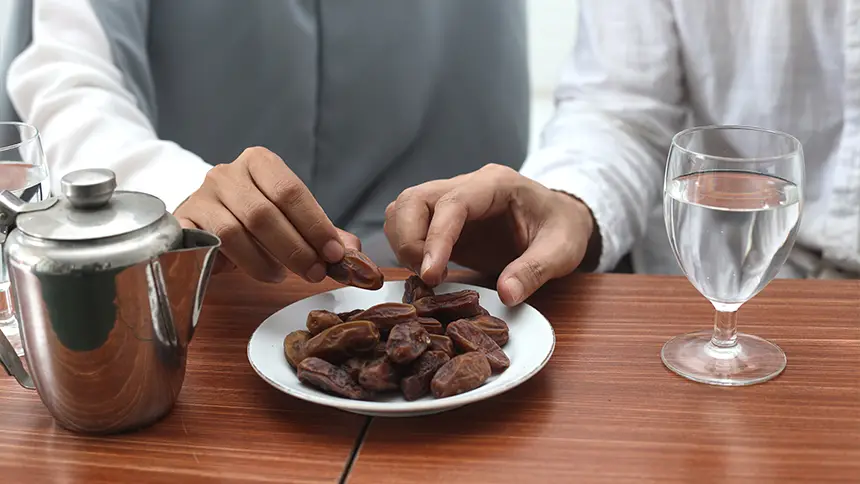
- Dates and honey: Natural sweeteners that appear in desserts and drinks.
- Rice: Often historically imported but central to many local meals like Machboos and Biryani.
- Fish and seafood: Abundant along the Gulf coast, forming the basis for dishes like Salona Samak.
- Camel and lamb meat: Common sources of protein in desert regions.
- Spices: Blends such as saffron, turmeric, cardamom, and cinnamon reveal centuries of trade connections.
Traditional cooking relied on slow simmering and clay pot techniques, preserving moisture and flavor in the harsh desert climate. Meals were shared, emphasizing community and hospitality.
A Culinary Shift: New Generation, New Ideas
With Dubai and Abu Dhabi growing into global cities, the food landscape has changed dramatically. Young Emirati chefs educated in international culinary schools began returning home with new ideas. They started fusing traditional tastes with modern presentations, drawing inspiration from both local markets and world cuisines.
The rise of modern Emirati cuisine is driven by several key factors. Many chefs trained abroad, bringing back global techniques and creativity, while the country’s growing tourism industry encourages fresh and diverse dining experiences. At the same time, there is strong pride in preserving cultural identity and keeping it relevant in a fast-changing world. Supported by culinary festivals, government programs, and local initiatives, these chefs are not replacing tradition but giving it new life and meaning.
Notable Modern Emirati Chefs
Chef Khaled Al Saadi
Known for his refined version of Machboos, Chef Khaled introduces French techniques into Emirati cooking. He uses locally sourced ingredients and emphasizes presentation. His restaurant serves saffron risotto with spiced lamb shank, a dish that bridges Italian flavors with local culinary influences. His signature style combines traditional flavors with modern plating, emphasizing sustainability, farm-to-table sourcing, and the use of herbs and spices grown in local soil.
Chef Sahar Al Awadhi
Dubai’s first female pastry chef, Sahar gained fame for her desserts that tell cultural stories. She once worked at the Burj Al Arab and became known for her delicate balance between nostalgia and creativity. Her highlights include creating a date and rose tart that blends French pastry techniques with Middle Eastern flavors, experimenting with camel milk chocolate, and advocating for women in the culinary industry.
Chef Faisal Al Harmoodi
Trained in Asia, Chef Faisal loves merging Emirati dishes with Asian flair. His menu features chicken Salona with coconut curry and sushi rolls filled with spiced shrimp inspired by local flavors. His key traits include fusing diverse textures and spices, focusing on youth-friendly dining, and presenting dishes in a street-food style infused with authentic local spirit.
Chef Bader Najeeb (Chef B)
A social media personality turned professional chef, Chef Bader brings traditional recipes to younger audiences through digital platforms. He showcases how home-cooked Emirati meals can be made with a modern twist. His approach focuses on promoting food education among young people, using storytelling and humor to engage followers, and reviving forgotten family recipes with fresh, modern ingredients.
Modern Techniques in Traditional Dishes
The heart of this culinary transformation lies in technique. Chefs are rethinking how classic recipes are cooked and served while preserving their emotional value.
Examples of Innovation
- Sous-vide lamb: Instead of slowly boiling, chefs use low-temperature vacuum cooking to maintain tenderness.
- Deconstructed dishes: A Balaleet (sweet vermicelli with egg) might appear as layered bites with custard foam.
- Fermentation and pickling: Local vegetables are now preserved creatively for flavor and health benefits.
- Plating artistry: Meals once served on large communal trays are now displayed as elegant individual portions.
- Infused oils and reductions: Instead of heavy sauces, chefs use spice-infused oils or reductions for lighter tastes.
This mix of science and art creates a fresh dining experience while keeping the comforting essence of Emirati food.
Sustainability and Local Sourcing
Modern Emirati chefs are deeply committed to sustainability, emphasizing the use of homegrown produce, local seafood, and regional ingredients over imports. They practice eco-friendly methods such as sourcing fish from the UAE’s coastal waters, using hydroponic vegetables from Dubai and Al Ain, promoting zero-waste cooking, and collaborating with local farmers to create seasonal menus. These efforts strengthen the bond between the food and the land, blending modern dining with traditional environmental wisdom.
Cultural Preservation through Food
Food is more than nourishment; it represents identity and heritage. Modern Emirati chefs value preserving culture as much as creating new flavors, actively promoting their traditions through workshops, cookbooks, and global culinary events. By teaching classic dishes like Harees and Luqaimat, sharing personal stories, and inspiring young people to cook at home, they keep the nation’s food culture alive. Their pride ensures that even as presentation and taste evolve, the true spirit of their culinary heritage remains strong and unchanged.
Global Influence and Recognition
Emirati chefs are now earning international attention. From Dubai’s Michelin-starred restaurants to cultural exhibitions abroad, the UAE’s food scene is gaining respect as a serious culinary destination.
Global Achievements
- Local restaurants featured in international food guides.
- Emirati-themed dinners were held in London, Paris, and Tokyo.
- Chefs collaborating with world-famous culinary masters.
- Emirati ingredients like dates, saffron, and rose water are gaining popularity overseas.
Through this global recognition, this cuisine moves beyond borders while still celebrating its roots.
The Role of Technology and Media
Social media has become a powerful platform for promoting Emirati food. Chefs post cooking videos, live demonstrations, and behind-the-scenes stories, inspiring home cooks and food lovers across generations.
Impact of Digital Platforms
- Encourages young audiences to appreciate local cuisine.
- Allows chefs to reach international food enthusiasts.
- Promotes creative discussions about sustainability and authenticity.
- Builds a digital archive of recipes for future generations.
This combination of tradition and technology ensures that the nation’s culinary story continues to evolve in the digital age.
The Future of Emirati Cuisine
The future of Emirati cuisine is vibrant and full of promise. With more local chefs opening restaurants, collaborating globally, and mentoring young talent, the culinary scene continues to evolve. Emerging trends include plant-based and health-focused dishes, the revival of ancient cooking methods with modern tools, and growing culinary tourism centered on authentic experiences. Local cuisine is fast becoming a cultural bridge, connecting people worldwide through shared taste, tradition, and creativity.
Conclusion
Modern Emirati chefs act as artists and cultural storytellers, blending ancestral wisdom with contemporary creativity to transform simple ingredients into powerful symbols of identity. By uniting tradition and innovation, they craft a cuisine that honors the past while embracing the future. Today, local cuisine represents not only flavor but also heritage, pride, and the shared joy of culture, proving that true progress lies in enriching tradition with fresh ideas and presenting it confidently to the world.