The United Arab Emirates has risen as a powerful force in the world’s creative economy. Over the past two decades, the country has built museums, opened influential galleries, supported young creators, and attracted major auction houses. What once began as small exhibitions has grown into a dynamic hub connecting collectors, investors, historians, and innovators from every continent. As a result, the UAE now plays a central part in shaping global art conversations, driving business decisions, and supporting cultural exchange.
How the UAE Became a Global Art Hub
The UAE became a global art hub through years of careful planning, strong economic growth, and a clear goal to expand beyond energy-based industries. Its strategic location linking Asia, Europe, and Africa, combined with a large expatriate community and modern infrastructure, helped attract diverse artistic influences. With solid government support for creative programs and consistent investment in cultural projects, the country built a reputation as a welcoming space for new ideas, fresh styles, and international collaborations.
Government Support and Cultural Vision
The UAE treats the creative economy as a vital part of business growth. This support includes education programs, museums, creative clusters, and grant systems.
Major National Initiatives
- Cultural districts in Abu Dhabi and Dubai.
- Funding schemes for emerging creators.
- Residency programs encourage experimentation.
- Art fairs are supported by official bodies that attract global attention.
- Partnerships with international museums to bring famous exhibitions to the region.
By treating cultural development as a strategic industry, the UAE aims to position itself alongside global cultural capitals.
The Influence of Museums and Landmarks
Some of the world’s most recognised institutions now operate in the UAE. These places bring expertise, visitors, and international collaborations while expanding the local market.
Influential Cultural Landmarks
- Louvre Abu Dhabi with its universal museum model.
- Guggenheim Abu Dhabi under development.
- Etihad Modern Art Gallery showcasing regional creators.
- Dubai’s Alserkal Avenue supports contemporary studios.
- Sharjah Art Foundation promoting experimental work.
These centres host exhibitions, research projects, and workshops that encourage dialogue between cultures. They also help visitors understand why artwork matters in business, identity, and national progress.
Major Events
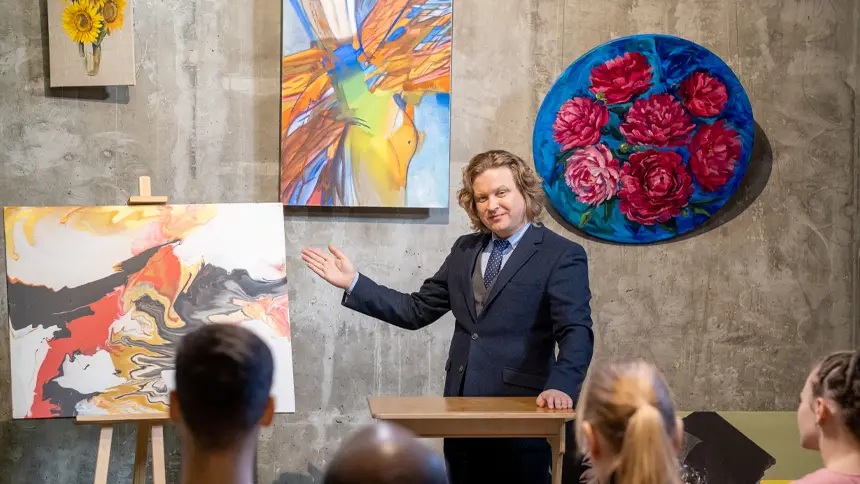
Events play a major role in strengthening the UAE’s creative landscape, with Art Dubai standing out as a diverse fair that draws global galleries, collectors, and industry experts. Alongside that, the Sharjah Biennial, Sikka Art Festival, and various design fairs enrich the cultural calendar by supporting local creators and linking visual artwork with other creative fields. Together, these gatherings attract professionals from dozens of countries, making the UAE a vibrant centre for showcasing work, building networks, and discovering new opportunities.
The Auction Landscape in the UAE
The UAE’s auction landscape has grown into a key part of the region’s business scene, offering collectors access to rare works while supporting investment and cultural preservation. Its strong purchasing power, stable financial environment, and transparent systems make it an attractive base for major auction houses. Interest in Middle Eastern art continues to rise, and the demand for new formats, including digital creations, adds even more momentum. As a result, more buyers now view art not only as a creative expression but also as a valuable long-term asset.
Participation of Global Auction Houses
Renowned auction houses have organised major sales in the UAE. Their presence strengthens trust, boosts price records, and draws global bidders.
Types of Auctions Common in the UAE
- Modern Middle Eastern works that highlight heritage.
- Contemporary art from local and global creators.
- Photography and mixed media pieces.
- Rare manuscripts and historical items.
- Digital creations, including NFT-related offerings.
- Luxury collectables, such as watches or jewellery during combined events.
This variety turns the UAE into a versatile marketplace appealing to seasoned buyers and newcomers alike.
Growth of Local Auction Platforms
Local auction platforms have grown steadily in the UAE, complementing international houses by focusing on regional talent and supporting long-term creative careers. These platforms highlight emerging artists, offer more accessible price points, and connect collectors with works inspired by local narratives. Through workshops and educational programs, they also help new buyers understand the market, while giving young creators valuable insight into demand. Together, these efforts create a balanced ecosystem that nurtures talent at every stage.
Impact on Regional Artists
The UAE’s expanding art market has opened doors that regional creators rarely had before, giving them greater visibility through fairs, galleries, and online platforms. Rising demand has led to higher sale prices, while exposure at major events has earned many artists international residencies and collaborations with museums, designers, and global brands. This support boosts confidence and encourages experimentation, helping artists from the Middle East and North Africa gain recognition and buyers not only within the region but also across Europe, Asia, and North America.
Economic Value
The UAE’s art market adds significant value to the wider economy by creating jobs in galleries, museums, logistics, media, and other supporting sectors. Major exhibitions and fairs attract visitors, boosting tourism and hospitality, while collectors travelling for auctions bring additional investment into the country. Cultural institutions often partner with private businesses, encouraging new ventures and the growth of creative startups in design, digital arts, and publishing. Altogether, this activity enhances the UAE’s reputation as an innovative and forward-thinking global hub.
Role of Technology
Technology has transformed the UAE’s art landscape, with digital creations, virtual galleries, and blockchain-based ownership gaining strong traction. Virtual exhibitions and online bidding platforms make it easy for global audiences to participate, while NFT systems introduce new business opportunities for creators. Data-driven tools help collectors understand market trends, and advanced logistics solutions ensure safe handling of valuable works. These innovations create fresh ways for artists and buyers to connect, opening possibilities that were once impossible.
Challenges Facing
Even with its strong growth, the industry faces obstacles that need attention.
Common Challenges
- Need for more art education to build long-term local interest.
- High operating expenses for galleries and independent studios.
- Market fluctuation, which affects investment decisions.
- Competition from global hubs such as London, Hong Kong, and New York.
- Demand for transparency in pricing, authenticity, and valuation.
Addressing these issues will support healthier long-term development.
Future Outlook
The UAE’s cultural landscape is set for continued growth, supported by new museums, creative districts, and digital platforms now under development. International partnerships, immersive and digital art forms, and rising interest from younger collectors are shaping the next phase of expansion. Creative startups that blend business with culture are also emerging, while regional artists are gaining more visibility in global auctions. Together, these trends position the UAE to become an even more influential force in the worldwide art economy.
Conclusion
The UAE has become one of the most important places for art in today’s world. The country has strong museums, famous events, active auction houses, and great support from the government. Artists from many countries now show their work here, and collectors often visit to buy rare pieces. The art market also brings jobs, tourism, and new business ideas. While challenges exist, the UAE continues to grow with confidence. Because of its vision, location, and modern approach, it will remain a leading centre for global art and auctions for many years.