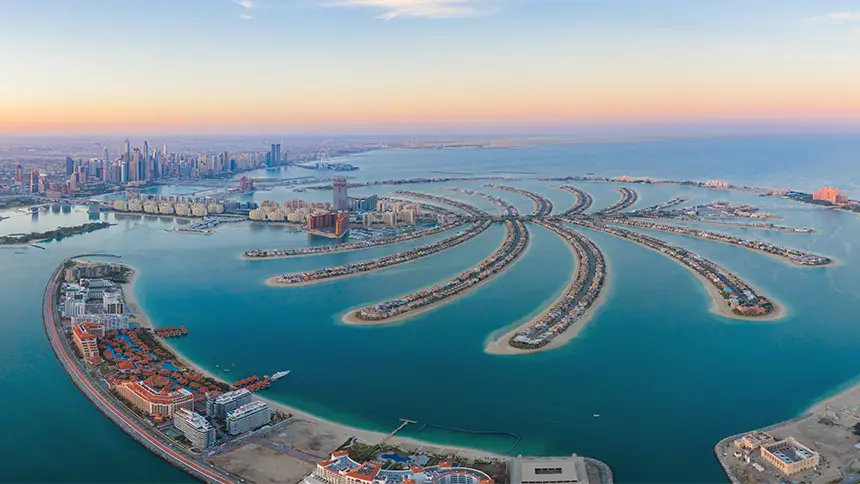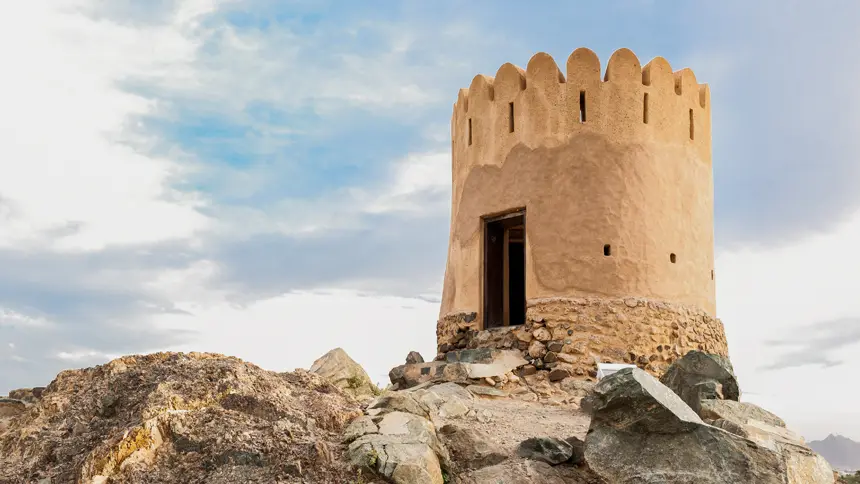
The Northern Emirates of the United Arab Emirates, which include Ajman, Umm Al Quwain, Ras Al Khaimah, and Fujairah, are regions rich in history, culture, and natural beauty. These emirates are home to ancient settlements, traditional forts, and unique landscapes that reflect the UAE’s long and diverse heritage. Preserving these cultural and natural treasures is important because they help students and future generations understand how communities lived, traded, and interacted with their environment in the past. Protecting such sites also strengthens national identity and encourages responsible tourism. UNESCO World Heritage status plays a key role in this process, as it recognises places of global importance and ensures that they are carefully protected and managed. By aiming for UNESCO recognition, the Northern Emirates show their commitment to safeguarding their heritage while sharing their remarkable history with the world.
Historical and Cultural Significance
The Northern Emirates hold a rich historical and cultural identity that reflects the early development of communities in the UAE. From ancient villages to traditional crafts, these regions offer valuable insight into how people lived, worked, and interacted with their environment. The heritage of the Northern Emirates shows the deep connection between local traditions, natural landscapes, and daily life, making it an important part of the country’s cultural story.
Key Heritage Sites
The Northern Emirates contain several key heritage sites that highlight their long and diverse history. Many ancient settlements show evidence of early trading communities and farming practices. The region is also known for its traditional forts and coastal structures, which were built to protect families, trade routes, and fishing areas. In addition, ongoing archaeological discoveries continue to reveal pottery, tools, and historical remains that help researchers understand how people lived thousands of years ago.
Cultural Practices and Traditions
Local traditions across the Northern Emirates reflect a strong connection to local lifestyles, including fishing, farming, and desert living. Many communities continue to value the preservation of traditional crafts, such as pottery, weaving, and boat-making, which are passed down through generations. Community involvement also plays a key role, as families, schools, and cultural centres work together to protect these practices and ensure young people learn about their heritage.
Conservation and Restoration Efforts
The Northern Emirates are taking active steps to protect their cultural and natural heritage for future generations. These efforts ensure that important historical sites, landscapes, and ecosystems remain safe from damage and modern development pressures. By focusing on both restoration and environmental care, the region is working to maintain its identity while supporting sustainable growth. This balance helps preserve the past while preparing for a responsible and environmentally friendly future.
Government and Local Authority Initiatives
Government bodies and local authorities in this region play a major role in safeguarding heritage sites. They carry out the restoration of forts and historical buildings, ensuring they remain strong and safe for visitors. They also introduce site protection regulations to prevent damage from construction or pollution. In addition, the authorities form partnerships with experts and researchers, allowing specialists to study the sites and guide proper conservation methods.
Environmental Conservation
Environmental conservation is a key part of heritage protection in these emirates. Efforts include the protection of mangroves and marine habitats, which support many sea creatures and help prevent coastal erosion. The region also focuses on mountain and desert ecosystem preservation, ensuring that natural landscapes remain healthy and undisturbed. Furthermore, strong wildlife and biodiversity efforts help protect endangered species and maintain the balance of nature across the area.
UNESCO World Heritage Nomination Process
The process of becoming a UNESCO World Heritage Site is detailed and careful, ensuring that only the most important places receive recognition. In this part of the UAE, this process helps highlight the cultural and natural treasures that deserve global appreciation. It involves studying each site closely, proving its importance, and showing that it will be protected for future generations. By following UNESCO’s guidelines, the region strengthens its commitment to preserving history, culture, and the environment.
Documentation and Research
A major part of the nomination process involves strong documentation and research. Teams carry out historical surveys to understand how old the sites are and their role in the past. They also use archaeological mapping to record locations of ruins, artefacts, and ancient structures. In addition, environmental assessments help show how natural surroundings support the site and what must be done to protect the area. Together, this research provides clear evidence for UNESCO evaluation.
Meeting UNESCO Criteria
To be accepted, each site must meet several UNESCO criteria. First, it must show cultural value, meaning it represents traditions, history, or achievements important to humanity. It also needs historical authenticity, proving that the site is original, well-preserved, and not heavily changed. Finally, environmental significance is important for natural sites, showing that landscapes, wildlife, or ecosystems are unique and worth protecting. Meeting these criteria strengthens the site’s chance of gaining UNESCO status.
Community Engagement and Education
Community engagement and education play an essential role in preserving heritage in this region. By involving residents, students, and visitors, the area helps people understand the value of cultural and natural sites. Educational activities and public programmes encourage respect for traditions and create a sense of responsibility towards protecting the past. This community-focused approach ensures that heritage awareness is passed on to younger generations and becomes part of everyday life.
Awareness Programmes
Awareness programmes help people learn more about heritage and its importance. Schools and universities are actively involved through school and university outreach, where students take part in field trips, lectures, and projects related to history and archaeology. The emirates also hold heritage festivals and workshops, which celebrate traditional music, crafts, and storytelling. These events allow families and visitors to experience local culture while understanding why preservation matters.
Responsible Tourism Promotion
Promoting responsible tourism is important to protect heritage sites from damage. Authorities create clear visitor guidelines to ensure that tourists explore sites respectfully and safely. They also focus on building sustainable tourism facilities, such as eco-friendly paths, information centres, and protected viewing areas. These efforts help balance tourism with conservation, allowing people to enjoy the region’s beauty without harming its historical or natural treasures.
Conclusion
The preservation efforts in this part of the country show a strong commitment to protecting both cultural and natural heritage. Through restoration projects, environmental conservation, community involvement, and responsible tourism, the area works hard to safeguard its forts, archaeological sites, landscapes, and traditions. These efforts not only protect the past but also help educate younger generations about the importance of heritage in shaping identity. Gaining UNESCO recognition is an important goal because it brings international attention, encourages careful management, and ensures long-term protection of valuable sites. Such recognition also highlights the global significance of the region and its contributions to human history and natural diversity. Looking ahead, the vision for safeguarding heritage focuses on continued research, stronger conservation systems, and greater awareness among residents and visitors. By working together, these emirates aim to preserve their rich heritage for future generations to learn from and enjoy.