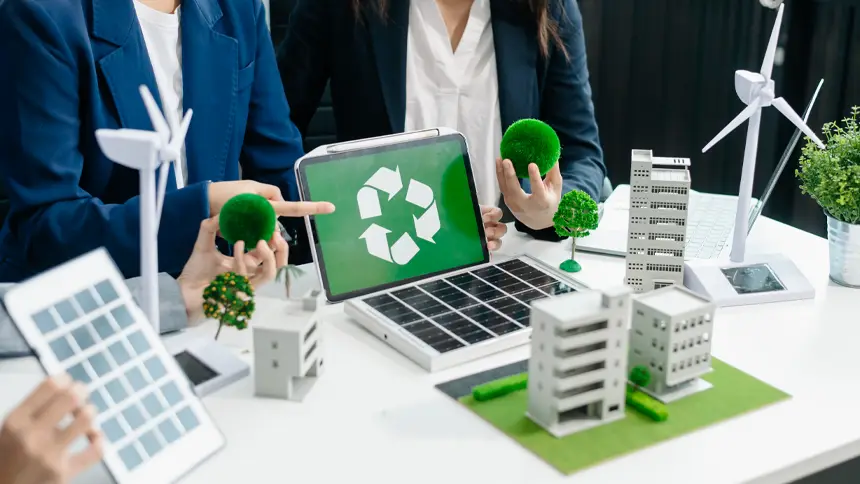
The UAE’s energy landscape is evolving rapidly as the country works toward cleaner growth, reduced emissions, and a more diversified economy. Rising industrial activity, higher fuel demand, and ambitious national sustainability policies have encouraged both government and private organisations to explore new power solutions. Among the most promising developments are biofuel initiatives and waste-to-energy (WTE) projects, which are helping the United Arab Emirates rethink how it manages resources and secures long-term energy resilience.
These sectors now play an important role in the UAE’s transition toward a circular economy. They offer practical solutions to challenges such as growing waste volumes, landfill pressure, and dependence on imported fuels. Their impact is visible across logistics, agriculture, manufacturing, tourism, and urban development, making them central to the nation’s future competitiveness and sustainability goals.
Why Biofuel and Waste-to-Energy Matter for UAE Businesses
United Arab Emirates businesses face increasing pressure to operate responsibly while staying cost-efficient, especially under national strategies like UAE Net Zero 2050, National Circular Economy Policy, and emirate-level sustainability programmes. This makes biofuel and waste-to-energy solutions more valuable than ever. Rising energy expenses, federal incentives for clean technology, stricter environmental expectations, and expanding waste challenges push companies toward greener alternatives. With modern systems speeding up processing and improving quality, these solutions help organisations lower emissions, reduce costs, and turn waste into valuable energy. Together, they give UAE companies a stronger competitive edge while supporting national sustainability commitments.
How Biofuel Companies Are Transforming the UAE Energy Market
Biofuel developers in the UAE convert organic materials, such as used cooking oil from restaurants, date palm waste, algae grown in coastal farms, and agricultural by-products, into usable fuel. Rapid advances in this field offer the country new alternatives to conventional petroleum products.
Main types of biofuels used in the United Arab Emirates
- Bioethanol: Used in research programs and pilot fuel blending projects.
- Biodiesel: Produced mainly from used cooking oil collected from hotels and food businesses.
- Biogas: Used in farms, waste management zones, and food factories.
- Advanced biofuels: The UAE is studying algae-based fuels, especially for aviation.
Business advantages in the United Arab Emirates
New revenue for local farms
Palm waste, organic residues, and other materials can be sold for processing, helping farmers and agricultural zones across Abu Dhabi, Al Ain, and Ras Al Khaimah.
Lower emissions for transport companies
Logistics fleets and city buses benefit from biodiesel blends that cut pollution without changing engines, supporting cleaner mobility goals.
Reduced dependence on imported fuels
Biofuel facilities allow the UAE to diversify its energy mix and strengthen national energy security.
Support for the aviation sector
With the United Arab Emirates hosting world-leading airlines and airports, sustainable aviation fuel (SAF) has become a major focus, driving strong interest in advanced biofuel projects.
Examples of innovations shaping the UAE market
- Algae-based fuel projects along the coast, using the region’s climate and seawater access.
- Second-generation biofuels created from date palm waste and non-food materials.
- Compact bio-refineries near industrial and agricultural zones to cut transport costs.
- Bio-based plastics are made from renewable feedstock, supporting the packaging and manufacturing sectors.
These innovations reflect how the United Arab Emirates has moved from small trials to serious investment, aligning with its national sustainability agenda.
Waste-to-Energy: Turning Waste into Power in the UAE
Waste-to-energy systems convert household waste, food scraps, sewage, and industrial by-products into useful heat, electricity, or fuel. With the UAE’s growing population and booming urban development, WTE is becoming a key part of city planning.
Why WTE is gaining dominance in the UAE
Landfills across the United Arab Emirates are reaching capacity, recycling rules are becoming stricter, and smart-city strategies in Dubai, Abu Dhabi, and Sharjah encourage cleaner and decentralised waste solutions. At the same time, communities increasingly expect cleaner neighbourhoods, making WTE a vital element of the country’s environmental improvement efforts.
Waste-to-energy methods used in the UAE
Incineration with energy recovery
Sharjah’s WTE plant, one of the region’s most advanced, uses this method to convert waste into electricity while controlling emissions.
Anaerobic digestion
Used by food factories, farms, and waste operators to turn organic waste into biogas and nutrient-rich outputs.
Gasification
Employed in industrial areas exploring cleaner waste processing.
Pyrolysis
Used mainly for plastic waste, helping the UAE reduce landfill use and produce synthetic fuel.
Business benefits for UAE companies
WTE projects help companies reduce disposal costs, secure steady power for large facilities, and reduce environmental impact by keeping more waste out of landfills. These initiatives create specialised green jobs across the Emirates and strengthen business–community relationships by showing commitment to cleaner, sustainable practices.
How WTE supports the UAE’s industrial zones
Many industrial parks, especially in Dubai Industrial City, KIZAD, and Sharjah’s eco-zones, use integrated systems combining waste processing with on-site energy generation. These systems supply local electricity, reduce waste of transport, cut operating expenses, and boost sustainability ratings, making them attractive to international partners.
Leading Companies Driving Change in the UAE
Several major groups and innovative players are shaping the biofuel and WTE sectors in the UAE.
Strong players in the UAE biofuel
Large agricultural companies, advanced biotech firms, renewable divisions of traditional energy companies, and regional producers working with hotels, farms, and food chains all contribute to the country’s biofuel progress. Together, they drive innovation and support national renewable energy targets.
Major contributors to the UAE waste-to-energy
Municipal energy contractors, recycling groups, engineering firms, and technology start-ups are behind the UAE’s expanding WTE infrastructure. Emirates such as Sharjah and Dubai have already become regional leaders, converting waste into energy through large-scale and decentralised systems. Despite differences in size and focus, these groups share the common goal of turning discarded materials into valuable, sustainable energy.
Challenges Slowing the UAE Sector
Despite strong progress, challenges remain.
Key issues
- High investment costs
- Seasonal feedstock variations
- Public concerns over emissions
- Lower cost of traditional fuels
- Need for more specialised talent
Companies are addressing these issues through public–private partnerships, modular equipment that cuts start-up expenses, digital monitoring tools, community engagement, and automation to reduce long-term labour needs. These solutions support steady growth and align with the UAE’s national energy plans.
Opportunities for Investors and Entrepreneurs in the UAE
The UAE’s push toward clean energy creates significant investment potential. Opportunities include small biodiesel units for logistics hubs, biogas plants for food businesses, plastic-to-fuel systems for dense urban areas, waste-heat recovery solutions, and bio-based chemical production. The rise of climate-focused funding, long-term project guarantees, and strong circular-economy policies are attracting domestic and international investors. Research in algae, enzymes, and microbial solutions also opens pathways for innovation. With rising demand across UAE industries, new ventures with strong technical teams can grow rapidly.
The Future Outlook for the UAE
The UAE’s biofuel and waste-to-energy sectors will continue expanding as the country updates its energy strategy under initiatives like Net Zero 2050 and the Circular Economy Policy. Stronger partnerships between cities and private companies, greater use of digital tools, interest in algae-based fuels, WTE integration in smart-city plans, cleaner aviation fuel development, and global low-carbon standards will shape the next decade. As technologies improve and costs fall, adoption will rise, making these industries essential pillars of the UAE’s future energy supply.
Conclusion
Biofuel and waste-to-energy companies are now major contributors to the UAE’s sustainable development. By turning natural materials and waste into valuable energy, these sectors help local businesses reduce costs, improve environmental performance, and strengthen long-term planning. Their innovations support national goals for cleaner cities, healthier communities, and economic diversification. As the UAE moves toward a future built on resource efficiency and low-carbon growth, early adopters of renewable solutions will gain clear advantages, and the country as a whole will advance toward a more stable and sustainable future.