Dubai is known for luxury dining, global flavours, and creative food trends. In recent years, one quiet but powerful movement has been growing across cafés, bakeries, and fine dining spaces: minimalist Japanese desserts. These sweets are simple in appearance, gentle in taste, and deeply rooted in tradition. Unlike colourful or heavily layered treats, Japanese-style desserts focus on balance, texture, and natural ingredients. This approach has found a strong audience in Dubai, where diners are becoming more mindful about what they eat and how food makes them feel. The rise of these refined Japanese sweets reflects changing preferences, as people increasingly seek lighter options, reduced sugar, and carefully crafted presentation.
What Are Minimalist Japanese Desserts?
These are sweets made with few ingredients, soft flavours, and a clean design. They are inspired by wagashi, traditional confections served with tea in Japan. These desserts are not meant to be heavy or overly sweet. Instead, they highlight natural tastes and seasonal elements.
Key Characteristics
- Simple shapes and calm colours
- Low sugar levels
- Focus on texture rather than richness
- Use of natural ingredients
- Strong link to seasons and rituals
The beauty lies in restraint. Each element has a purpose, and nothing extra is added.
Cultural Roots Behind the Style
Japanese dessert culture is shaped by philosophy and history. Concepts like wabi-sabi, which values simplicity and imperfection, strongly influence food design. Sweets are often created to match the time of year, such as cherry blossom-themed treats in spring or chestnut-based items in autumn.
Tea ceremonies also play an important role. Desserts are made to balance the bitterness of green tea, not overpower it. This mindset encourages moderation and respect for ingredients. In Dubai, this cultural depth adds meaning. Diners are not just eating a dessert; they are experiencing a story and tradition.
Why Dubai Is Embracing This Trend
Dubai’s food scene evolves quickly, and its audience is open to new ideas. Several factors explain why these are thriving in the city.
Growing Interest in Asian Cuisine
Asian food has gained wide acceptance in Dubai, from ramen shops to sushi counters. Sweets are the next step in this journey. Japanese sweets feel familiar yet different, making them appealing.
Health-Conscious Lifestyle
Many residents prefer lighter food options. Japanese desserts often use:
- Natural sweeteners
- Plant-based ingredients
- Smaller portions
This fits well with wellness-focused lifestyles.
Aesthetic Appeal
Dubai values visual presentation. Minimalist desserts photograph beautifully, making them popular on social media without being flashy.
Demand for Premium Experiences
People in Dubai enjoy refined dining. These desserts offer elegance, calmness, and quality, aligning with high-end café culture.
Popular Japanese Dishes in Dubai
Several traditional and modern sweets have become favourites across the city.
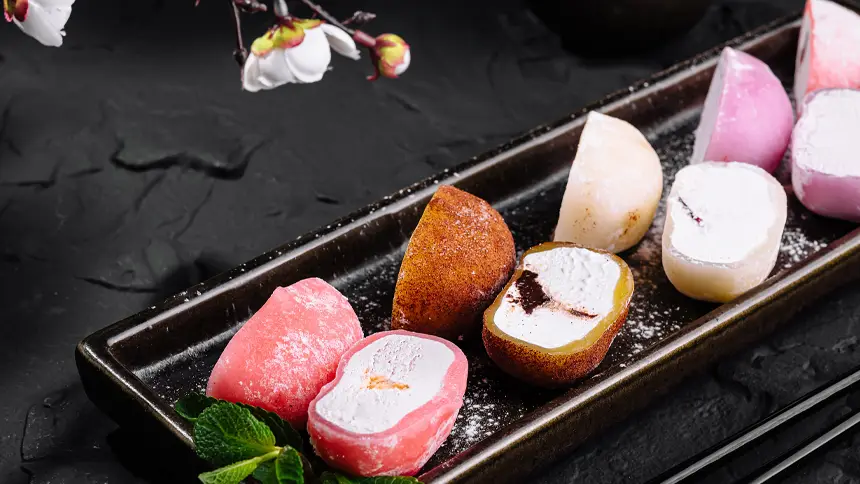
- Mochi – Soft rice cakes are filled with gentle flavours such as red bean paste, matcha cream, or seasonal fruit, offering a chewy texture that feels light and satisfying without any sense of heaviness.
- Dorayaki – Pancake-style sweets with simple fillings. Dubai cafés often serve smaller versions to match minimalist ideals.
- Matcha-Based Sweets – Green tea powder brings rich, earthy depth to desserts without adding extra sweetness, appearing in popular forms like matcha sponge cakes, matcha puddings, and Japanese-inspired matcha tiramisu.
- Yokan – A jelly-like dessert made from beans and agar. It has a smooth texture and clean taste, appealing to those avoiding dairy.
Ingredients That Define the Style
These sweets rely on a short list of carefully chosen ingredients. Quality matters more than quantity.
Commonly Used Elements
- Rice flour
- Azuki beans
- Matcha powder
- Agar-agar
- Sesame
- Seasonal fruits
In Dubai, chefs often combine these with local touches, such as dates or saffron, while keeping the core philosophy intact.
How Dubai Chefs Are Adapting the Concept
Dubai chefs and pastry experts are not merely replicating Japanese recipes; they are thoughtfully adapting them to suit local tastes and the region’s climate. Creative adjustments include reducing sweetness to match local preferences, incorporating Middle Eastern ingredients subtly, serving sweets chilled to suit warm weather, and offering vegan or gluten-free options. These adaptations preserve the authenticity of the desserts while making them more accessible and appealing to a wider audience.
Role of Cafés and Boutique Bakeries
Small cafés and boutique bakeries have been instrumental in popularising minimalist Japanese desserts, creating spaces that emphasise calm interiors, slow dining, and carefully curated menus. They often feature a limited dessert selection, open kitchens or display counters, tea pairings with sweets, and simple, elegant plating. These thoughtful environments encourage customers to slow down and savour each bite, perfectly reflecting the philosophy behind the desserts.
Influence of Social Media and Design
Minimalist Japanese desserts are visually subtle yet captivating, with neutral colours, clean lines, and soft textures that stand out in today’s busy digital world. On social media, their aesthetic appeal draws attention through photos, while videos highlight the careful preparation behind each treat. Sharing the cultural stories and traditions associated with these sweets adds depth to posts, helping niche cafés reach broader audiences effectively without relying on aggressive marketing.
Consumer Response in Dubai
The response from diners in Dubai has been overwhelmingly positive, particularly among young professionals, creative communities, health-conscious individuals, and adventurous food lovers. Many appreciate that these desserts are light and do not leave a heavy feeling, while others enjoy the calming experience that comes with pairing them with tea in serene, quiet spaces.
Challenges Faced by Businesses
Despite their growing popularity, it comes with several challenges. Businesses often face difficulties sourcing authentic ingredients, training staff in traditional techniques, educating customers who are unfamiliar with subtle flavours, and managing higher costs for quality materials. Nevertheless, many view these challenges as part of establishing a premium identity and maintaining the authenticity of their offerings.
Future Outlook of the Trend
The rise of minimalist Japanese desserts in Dubai is more than a passing trend; it reflects a deeper shift in the city’s food culture. Looking ahead, the trend is expected to evolve with more fusion sweets incorporating local flavours, greater availability in hotels and fine dining establishments, workshops and tasting events, and wider acceptance of less-sweet options. As diners increasingly seek balance and thoughtful experiences in their meals, this refined dessert style is poised for steady growth.
Why This Trend Matters in the Food Scene
This movement represents a shift away from excess. It encourages mindful eating and respect for craft skills. In a fast-paced city like Dubai, these desserts offer a moment of calm. They also show how global traditions can blend into local culture without losing identity. This makes Dubai’s food scene richer and more diverse.
Conclusion
The rise of these desserts in Dubai highlights a growing appreciation for simplicity, balance, and thoughtful eating. These sweets are not about bold flavours or heavy decoration. They focus on natural taste, gentle sweetness, and quiet beauty. Dubai’s diverse audience has welcomed this approach, driven by health awareness, visual appeal, and curiosity about Japanese culture. As cafés, chefs, and consumers continue to explore refined food experiences, minimalist Japanese desserts are becoming an important part of the city’s culinary story. They prove that sometimes, less truly is more, especially when it comes to dessert.