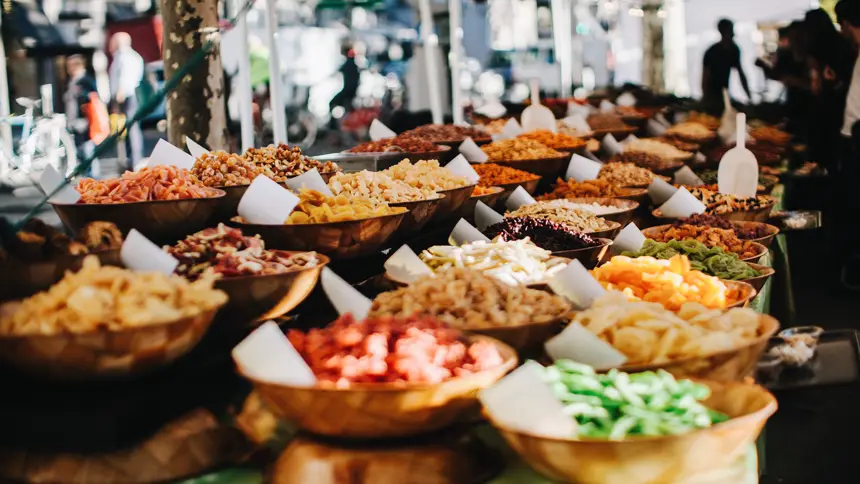
Expo-inspired culinary pavilions and cultural menus bring the world together through the universal language of cuisine. Inspired by international exhibitions such as World Expos, these themed dining spaces are designed to represent different countries and cultures in one shared space. Each pavilion offers traditional dishes, unique flavours, and cooking styles that reflect the heritage and identity of a nation. Cuisine plays an important role as a cultural ambassador because it helps people understand traditions, history, and lifestyles in an enjoyable and meaningful way. By tasting dishes from various cultures, visitors can learn about the world beyond textbooks and classrooms. In recent years, themed global culinary spaces have become increasingly popular at exhibitions, festivals, and tourist destinations. They attract people of all ages by offering not only delicious meals but also a rich cultural experience. As a result, international exhibition-style dining venues promote cultural appreciation, global unity, and curiosity about different cuisines and traditions.
Concept of Expo-inspired Food Pavilions
The concept of Expo-inspired international dining zones is based on the idea of bringing different countries and cultures together in one place through gastronomy. These internationally themed dining zones are designed to represent the culinary traditions of various nations, allowing visitors to experience authentic dishes and flavours from around the world. The main purpose of such cultural dining spaces is to educate, entertain, and encourage cultural understanding in a simple and enjoyable way.
Global exhibitions, such as World Expos, have strongly influenced this concept by showcasing how traditional cuisine can represent national identity and heritage. At these expos, each country presents its culture through architecture, performances, and local specialities. Global exhibition–inspired dining areas follow the same idea by combining culture, cuisine, and experience. Visitors not only taste different dishes but also enjoy themed décor, cultural displays, and interactive activities, making the dining experience both educational and memorable.
Design and Atmosphere of Food Pavilions
The design and atmosphere of cultural dining venues play an important role in creating an enjoyable and memorable experience for visitors. Each pavilion is usually built with country-themed architecture and décor that reflects the style, colours, and traditions of a particular nation. Traditional patterns, furniture, and artworks help bring the culture to life. Cultural symbols such as flags, famous landmarks, and traditional clothing are often used to strengthen the identity of the space.
Music and visual displays, including folk songs, videos, and digital screens, further enhance the cultural feel and create a lively atmosphere. Many immersive dining settings are designed with an interactive layout, allowing visitors to watch meals being prepared, speak with chefs, or take part in small activities. This thoughtful combination of design, sound, and visuals helps visitors feel as though they are travelling to another country, making the experience educational, exciting, and enjoyable for people of all ages.
Cultural Menus: A Global Culinary Journey
Cultural menus in world-exhibition-style gastronomic spaces offer visitors a global culinary journey by showcasing the traditional dishes of different countries. These dishes represent national identity and reflect the history, customs, and eating habits of each culture. Many menus focus on using regional ingredients that are commonly grown or produced in the country, helping to maintain authentic flavours and preparation methods.
Traditional recipes are often followed closely so that visitors can enjoy meals prepared in the same way they are made in their place of origin. At the same time, modern and fusion adaptations are also included to suit changing tastes and preferences. These creative dishes blend traditional flavours with contemporary cooking styles, making them appealing to a wider audience. By offering a mix of classic and modern options, international cultural menu concepts allow visitors to appreciate the richness and diversity of world cuisines while enjoying a unique and educational dining experience.
Types of Cuisine Showcased
Expo-inspired global dining showcases present a wide variety of cuisines from different parts of the world, allowing visitors to explore diverse tastes and culinary traditions. Middle Eastern flavours are often represented through dishes such as hummus, falafel, shawarma, and aromatic rice, highlighting the use of spices and fresh ingredients. Asian cuisine includes popular street snacks and classic dishes like noodles, dumplings, curries, and rice-based meals, which are loved for their bold flavours and quick preparation.
European gastronomic sections usually offer traditional dishes as well as gourmet options, such as pasta, pastries, cheeses, and baked goods, reflecting both heritage and modern cooking styles. African and Latin American specialities add further diversity, featuring dishes made with grains, beans, meats, and rich spices. Together, these cuisines create a colourful and exciting dining experience, helping visitors learn about global cultures through taste and tradition.
Interactive Culinary Experiences
Interactive culinary experiences are an important part of international food exhibition zones, as they make learning about cooking traditions more exciting and engaging. Live cooking demonstrations allow visitors to watch skilled chefs prepare traditional dishes, showing special techniques, ingredients, and preparation methods used in different cultures. These demonstrations help people understand how meals are made from start to finish.
Tastings and workshops give visitors the chance to sample a variety of dishes and sometimes even take part in simple cooking activities. This hands-on experience makes the visit more enjoyable and memorable. Chef–visitor engagement also plays a key role, as chefs often explain the history of the dishes and answer questions from the audience. By interacting directly with chefs, visitors gain a deeper understanding of cultural dining traditions. Overall, these interactive experiences turn culinary exhibition spaces into lively learning areas rather than just places to eat.
Sustainability and Innovation
Sustainability and innovation are becoming important features of modern culinary exhibition venues as organisers aim to protect the environment while offering quality meals. Many global dining showcases focus on using locally sourced ingredients to reduce transportation and support local farmers and suppliers. This also helps ensure fresh and nutritious dishes for visitors. Eco-friendly packaging is widely used, such as biodegradable plates, cups, and cutlery, to minimise plastic waste.
These venues also practise waste reduction by managing portion sizes carefully and recycling leftover materials. In addition, plant-based and health-conscious options are increasingly included on menus to meet the needs of different visitors. These choices promote healthy eating and reduce the environmental impact of meal production. By combining sustainability with innovative ideas, future-focused culinary exhibition spaces set a positive example for responsible and environmentally conscious dining experiences.
Visitor Experience and Engagement
Visitor experience and engagement are key elements of Expo-inspired international dining hubs, as they aim to educate and entertain at the same time. Storytelling through dishes plays an important educational role by explaining the history, meaning, and cultural background of different meals. Through displays, menus, and conversations with staff, visitors learn how cuisine connects to traditions and daily life in various countries. The colourful presentation of dishes and attractive pavilion designs also create strong social media and visual appeal. Many visitors enjoy taking photographs and sharing their experiences online, which helps promote cultural awareness.
In addition, these multicultural dining environments are designed to be family-friendly, offering activities and menu options suitable for all ages. The inclusive appeal allows people from different backgrounds to feel welcome and valued. Overall, global cultural dining experiences create a lively, enjoyable, and educational environment that encourages cultural understanding through shared meals.
Economic and Tourism Impact
Expo-inspired cultural food venues have a positive economic and tourism impact on the places where they are held. They attract international tourists who are eager to explore different cultures and cuisines in one location, making these attractions popular travel highlights. Visitors often travel specifically to experience the unique dining offerings, which helps increase tourism revenue. These culinary platforms also provide strong support for chefs, local vendors, and artisans by giving them a space to showcase their skills, products, and traditional recipes.
This creates job opportunities and encourages small businesses to grow. In addition, international culinary exhibition venues promote cultural exchange by bringing people from different countries and backgrounds together. Through shared dining experiences, visitors learn to appreciate other cultures and traditions. Overall, these spaces contribute to economic growth while strengthening cultural connections, making them valuable for both tourism development and global understanding.
Conclusion
Expo-inspired Food Pavilions hold great cultural and culinary significance as they bring together diverse traditions through shared meals. By showcasing authentic dishes and cultural practices, these dining spaces help people understand the identity and heritage of different countries in an enjoyable way. Such venues play an important role in promoting global understanding, as they encourage visitors to appreciate cultures beyond their own and celebrate diversity. Through shared meals and interactive experiences, cuisine becomes a powerful tool for connection and learning. Looking ahead, the future potential of world-exhibition-style dining concepts is very promising. With growing interest in cultural experiences, sustainability, and innovation, these global culinary showcases are likely to become even more popular around the world. They can continue to evolve by blending tradition with modern ideas, creating meaningful experiences that educate, inspire, and unite people across cultures.