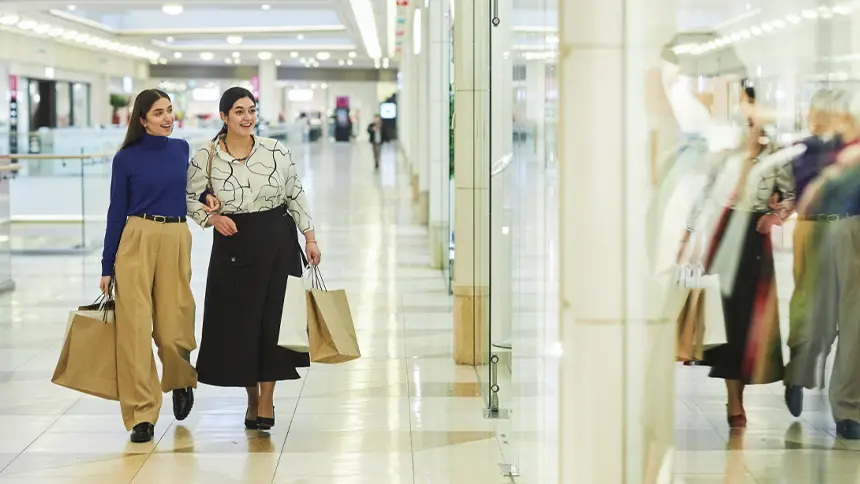
Ajman, one of the smaller emirates in the UAE, is experiencing a notable transformation in its retail sector. Traditionally known for its calm lifestyle and serene beaches, Ajman is gradually emerging as a growing merchandising and shopping destination. Modern malls, commercial centres, and local markets are contributing to a dynamic shopping culture, offering both residents and visitors a wide range of options.
Overview of Ajman’s Retail Sector
Ajman’s retail market has experienced steady growth over the past decade. Although smaller than the merchandising hubs of Dubai or Abu Dhabi, the emirate has carved a niche as a convenient and affordable shopping destination. Its merchandising landscape attracts both residents and visitors by offering accessible options without the higher costs found in neighbouring emirates.
Key features of Ajman’s retail sector include budget-friendly purchasing spaces, proximity to Sharjah and Dubai that draws cost-conscious shoppers, and a wide variety of offerings ranging from traditional souks to modern malls. Historically, the market was centred around local souks selling textiles, spices, and traditional goods. However, rising consumer demand for convenience, modern amenities, and international brands has fuelled the development of shopping malls and multi-purpose commercial complexes across the city.
Emergence of Modern Shopping Hubs
The last decade has witnessed the establishment of several modern shopping hubs in Ajman. These hubs not only provide retail services but also combine entertainment, dining, and leisure options, creating a comprehensive lifestyle experience.
Notable Hubs in Ajman
- Ajman City Centre: A large mall featuring international brands, restaurants, and family entertainment zones.
- Safeer Mall: Known for affordability, it caters to daily shopping needs and retail diversity.
- Ajman Corniche area shops: Combining local trade with scenic views, these spaces attract both residents and tourists.
Features Driving Mall Popularity
- Convenience: Central locations with easy access attract families and individuals.
- Variety: Multi-brand outlets, electronics, fashion, and lifestyle stores cater to a wide audience.
- Family-oriented facilities: Play areas, food courts, and cinemas enhance the overall experience.
- Special events and promotions: Seasonal sales and events increase footfall and create brand awareness.
This growth shows that Ajman is not just a residential hub but also an emerging centre for retail and commercial activity.
Traditional Markets and Souks
While modern malls attract significant attention, Ajman’s traditional markets continue to play a critical role in its merchandising ecosystem. These souks offer cultural experiences and retain the charm of conventional shopping.
Prominent Traditional Markets
- Ajman Gold Souk: Famous for gold, jewellery, and precious metals, attracting shoppers from across the UAE.
- Ajman Fish and Vegetable Market: A key destination for daily fresh produce and local goods.
- Textile Souks: Selling fabrics, clothing, and traditional garments at competitive prices.
Advantages of Souks
- Authenticity: Offers genuine cultural shopping experiences.
- Affordability: Local vendors often provide lower prices than large retail chains.
- Community engagement: Souks create social interaction and support small businesses.
These traditional hubs coexist with modern merchandising centres, providing consumers with a choice between contemporary shopping and authentic cultural experiences.
Factors Driving Retail Growth in Ajman
Several key factors have contributed to the expansion of shopping hubs in Ajman. The emirate’s growing economy, rising disposable incomes, and investment-friendly environment have encouraged retail development, while a steadily increasing population, including expatriates, has created demand for a wide variety of purchasing options. Tourism also plays an important role, as Ajman’s beaches, heritage sites, and resorts attract visitors whose spending provides seasonal boosts to businesses.
Ajman’s strategic location near Sharjah and Dubai further enhances its appeal, offering purchasing a convenient and cost-effective alternative to larger cities. Government policies supporting small and medium businesses, along with commercial investments, have strengthened the retail landscape. Additionally, modern consumer trends favour integrated shopping experiences that combine merchandising, dining, and entertainment under one roof. Together, these factors create a favourable environment for trade growth, attracting both investors and shoppers alike.
Retail Formats in Ajman
Ajman’s commercial landscape is diverse, with multiple formats catering to different needs:
- Shopping Malls – Modern malls like Ajman City Centre offer stores, dining, kids’ entertainment, and cinemas.
- Community Centres – Smaller centres provide convenient daily shopping with easy access and personalised service.
- Traditional Souks – As discussed earlier, souks continue to attract shoppers interested in culture, affordability, and authenticity.
- Standalone Selling Outlets – Standalone stores, popular for electronics, fashion, and speciality items, offer focused purchasing and brand promotions.
Emerging Trends in Ajman’s Retail Sector
The retail market in Ajman is evolving alongside global trends, with businesses and investors adopting innovative approaches to meet changing consumer demands. Notable developments include digital integration, where online shopping platforms and mobile apps complement physical stores, and experience-based shopping, with interactive displays, events, and workshops attracting customers. Sustainability is also gaining focus, as eco-friendly stores and reduced packaging appeal to environmentally conscious shoppers. Value-driven merchandising, through promotions, loyalty programs, and competitive pricing, is becoming increasingly important, while mixed-use developments that combine merchandising with offices, residences, and hotels are growing in popularity. These trends highlight Ajman’s efforts to modernise its Commerce sector while catering to local preferences.
Challenges Facing Retail Expansion
Despite promising growth, Merchandising in Ajman faces some challenges:
- Competition from Larger Emirates: Dubai and Sharjah offer more variety, making it challenging for Ajman to attract high-end shoppers.
- Infrastructure Limitations: While improving, some areas lack extensive public transport or parking facilities.
- Consumer Awareness: Smaller retailers may struggle to promote their brands effectively.
- Economic Fluctuations: Retail spending can be sensitive to changes in the economy and consumer confidence.
Addressing these challenges requires strategic planning, investment in infrastructure, and a focus on customer experience.
Opportunities for Future Growth
The retail sector in Ajman holds considerable potential, fuelled by a growing population, rising tourism, and increasing adoption of digital technologies. Future opportunities include expanding the lifestyle and entertainment trade by combining leisure activities with shopping, promoting local brands and supporting SMEs in malls and markets, and integrating e-commerce with physical stores to create a seamless hybrid shopping experience. Additionally, there is scope for luxury retail growth by targeting niche markets with high-end products and developing tourism-driven merchandising through themed purchasing experiences near beaches, hotels, and heritage sites. With strategic planning and investment, Ajman has the potential to become a prominent trade destination in the UAE.
Conclusion
Ajman’s retail and shopping sector is steadily evolving, blending modern malls with traditional markets to meet the needs of diverse consumers. Strategic investments, government support, and rising tourism are key factors driving growth. While challenges such as competition and infrastructure remain, the emirate offers numerous opportunities for investors and businesses. As the retail landscape develops, Ajman is not only providing convenience and affordability but also creating experiences that attract both residents and tourists. Its shopping hubs, from traditional souks to modern malls, are becoming integral parts of the community, reflecting a balance between culture and modernity.