Ras Al-Khaimah (RAK), the northernmost emirate of the UAE, is well known for its beautiful mountains, long coastline, and rich cultural heritage. Along with its natural attractions, the emirate is admired for its traditional household lifestyle, which continues to play an important role in Emirati society. Domestic life in this region is based on strong values such as respect for elders, close kinship relationships, and a deep sense of community. Many households live near their relatives, and daily routines often include shared meals, gatherings, and religious practices. Traditional customs, influenced by Bedouin, coastal, and mountain lifestyles, are carefully passed from one generation to the next. Although the territory has developed modern schools, roads, and cities, traditional domestic values remain strong. This balance between tradition and modern life makes the emirate a unique example of how cultural heritage is preserved in today’s world.
Family as the Foundation of Society
In traditional communities in the north of the UAE, the household is considered the foundation of society and plays the most important role in daily life. Kin groups are usually close-knit, with strong bonds between parents, children, grandparents, and extended relatives such as aunts and uncles. Respect and obedience towards elders are highly valued, and older members are often consulted when important decisions are made. Collective decision-making helps maintain harmony and strengthens unity.
Emotional and financial support among relatives is common, especially during important life events such as weddings, education, or times of difficulty. Many households prefer to live near one another, which allows frequent interaction, shared meals, and regular gatherings. These traditions are influenced by Islamic values and Emirati customs that promote kindness, cooperation, and responsibility. Even in the modern emirate, this strong social structure continues to shape society and preserve cultural identity.
Traditional Homes and Living Arrangements
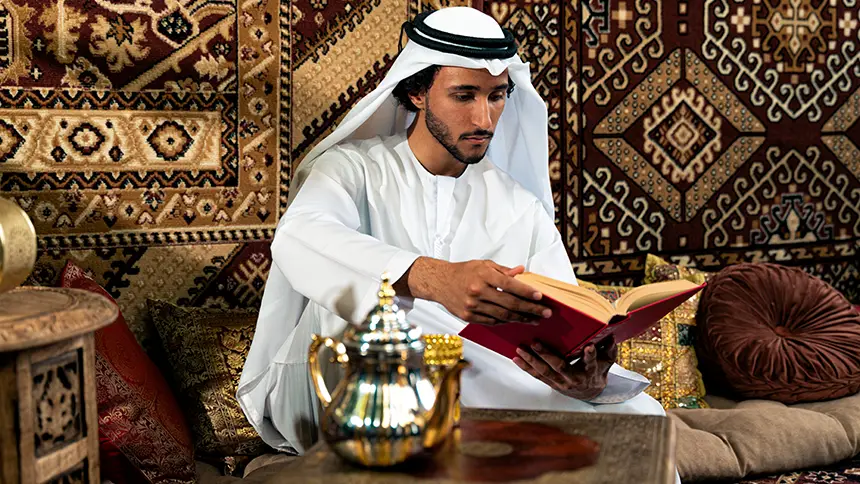
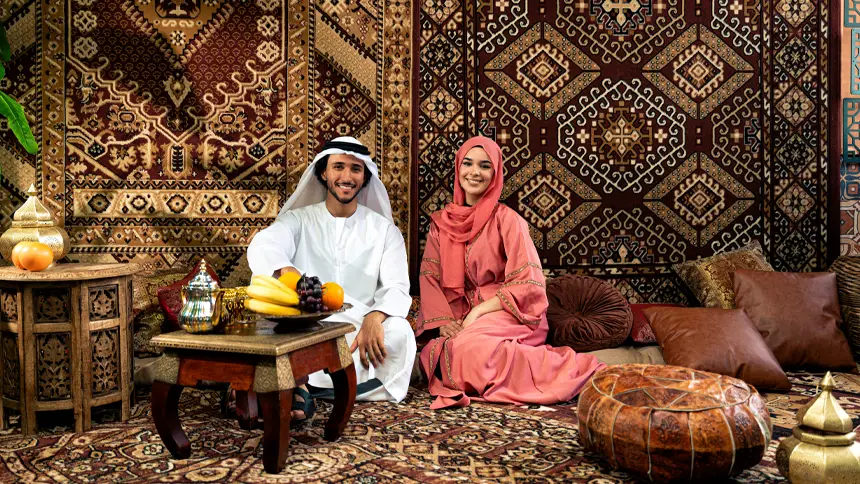
Traditional homes and living arrangements in the northern emirate were carefully designed to encourage togetherness and privacy. Historically, many households lived in courtyard-style houses, where open central spaces allowed relatives to gather, eat, and spend time together while remaining protected from the heat. Separate majlis rooms were an important feature of Emirati homes, used to welcome guests and show hospitality, which is a key part of local culture.
Homes also included shared spaces for meals, celebrations, and daily activities. The architecture was adapted to the desert and coastal climate, with thick walls, small windows, and shaded areas to keep interiors cool. Although modern villas and apartments are now common across the region, traditional values continue to influence home design. Many residences still include majlis areas and open household spaces, reflecting the lasting importance of domestic life and cultural traditions.
Daily Life and Cultural Practices
Daily routines in traditional northern communities are strongly influenced by cultural customs and Islamic values. Household activities often revolve around shared events, especially eating meals together, such as lunch or dinner, which helps strengthen bonds. Regular prayers and religious observances are an important part of daily life, teaching discipline and respect for faith from a young age. Visiting relatives and neighbours is common and helps maintain close community relationships.
Children are taught cultural etiquette, including politeness, respect for elders, and traditional greetings, which are passed down through generations. Hospitality is a defining feature of life in the emirate, with guests warmly welcomed and offered Arabic coffee, dates, and home-cooked food. These daily practices reflect Emirati traditions rooted in Bedouin culture and Islamic teachings. Even in modern territory, such customs continue to shape domestic life and preserve the emirate’s cultural identity.
Traditional Food and Family Meals
Traditional food and household meals play a vital role in daily life in this part of the UAE, symbolising generosity, unity, and cultural pride. Most traditional dishes are prepared at home, allowing households to share time together while cooking and eating. Popular Emirati foods include majboos, a spiced rice dish served with meat or fish, and harees, made from slow-cooked wheat and meat, often eaten during Ramadan and special occasions. Machboos samak, a fish-based rice dish, reflects the coastal area’s strong heritage.
Dates and Arabic coffee are traditionally offered to guests as a sign of hospitality and respect. Meals are especially important during religious festivals, weddings, and community gatherings. These shared occasions help strengthen kinship bonds and pass food traditions from one generation to the next. Even in the modern emirate, traditional cuisine remains an important part of Emirati domestic life.
Celebrations, Weddings, and Social Events
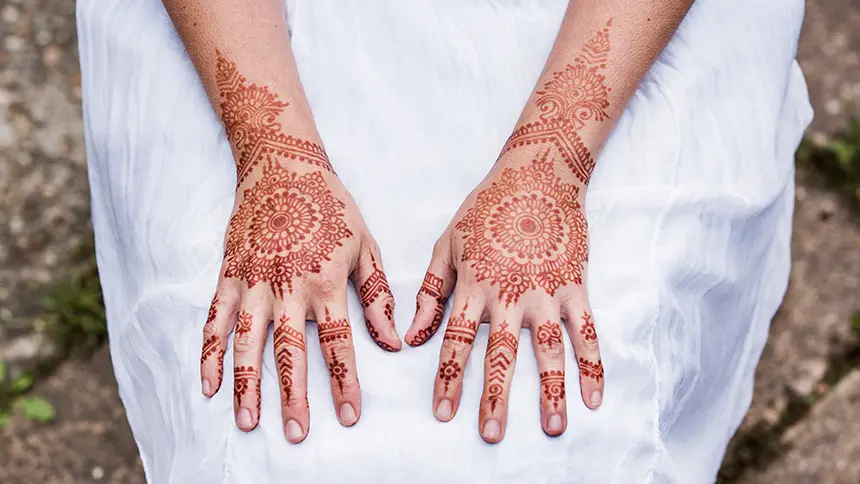
Celebrations, weddings, and social events are an important part of traditional household life in the region and help strengthen social bonds within the community. Weddings are joyful occasions that often include traditional music, folk dances, and colourful cultural performances. Religious festivals such as Eid Al-Fitr and Eid Al-Adha are widely celebrated, bringing households together for prayers, special meals, and visits to relatives.
Community gatherings and cultural events are also common and allow kin groups to share traditions and values. Elders play a key role during these occasions by sharing stories, poetry, and memories that teach younger generations about Emirati history and customs. Folk songs and dances are performed to mark happy moments and show cultural pride. These celebrations reflect Islamic values, hospitality, and unity. Even today, the territory continues to preserve these traditions while enjoying modern celebrations.
Passing Traditions to the Next Generation
Passing traditions to the next generation is an important part of household life in this northern emirate and helps preserve Emirati cultural heritage. Elders play a key role by teaching children about traditional values, family history, and local customs through stories, advice, and daily behaviour. Many kin groups encourage young people to take part in heritage festivals, cultural events, and national celebrations, where traditional music, crafts, and dances are displayed.
Wearing traditional clothing, such as kanduras and abayas, on special occasions helps children feel proud of their identity. Households also teach respect, modesty, and a strong sense of community, which are central to Emirati and Islamic values. At the same time, education and modern lifestyles are fully accepted, with children attending schools and using technology. This balance allows the emirate to protect its traditions while preparing future generations for modern life.
Balancing Tradition and Modern Life
Balancing tradition and modern life is an important feature of households in the northern communities of the UAE. Today, while people enjoy the comforts of modern living, they continue to uphold traditional domestic values. Many children attend formal education in schools, and adults pursue professional careers, reflecting the emirate’s growing focus on knowledge and development. Technology and social media have also become a part of daily life, helping households stay connected and access information.
Modern housing and urban lifestyles, including villas and apartments, provide comfort while offering spaces for gatherings. Despite these changes, residences continue to value unity, respect for elders, and cultural identity. Traditions such as shared meals, hospitality, and participation in festivals remain central. This careful balance allows households to enjoy the benefits of modern life while preserving their heritage and passing it on to younger generations.
Conclusion
The traditional household lifestyle in the emirate continues to be a vital part of the culture. Residences remain closely connected through shared meals, celebrations, and daily routines, reflecting strong values of respect, unity, and hospitality. Elders play an important role in passing down traditions, while children learn cultural etiquette and participate in festivals. Even as the region embraces modern education, technology, and urban living, these traditional values remain central to household life. This balance of heritage and modernity ensures that cultural identity and domestic traditions continue to thrive for future generations.