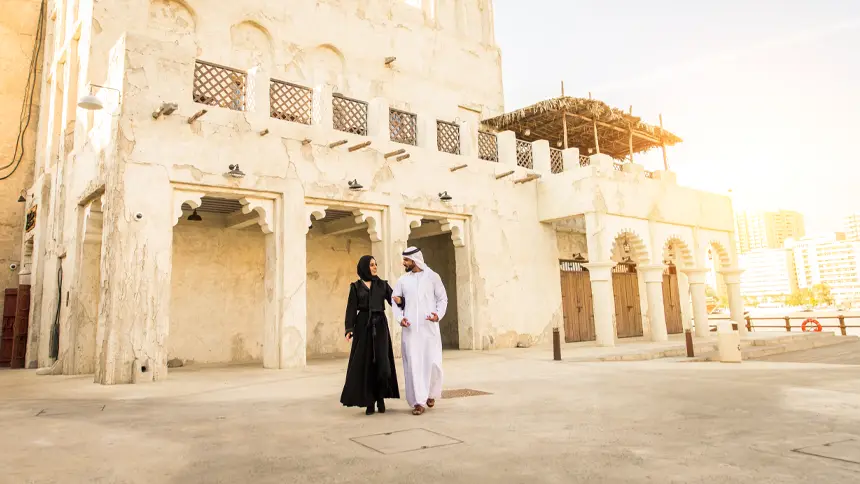
Ajman, the smallest emirate in the United Arab Emirates, may be modest in size, but it is rich in history, traditions and identity. Cultural Tourism in Ajman plays an important role in preserving Emirati heritage while offering visitors a peaceful and authentic travel experience. Through well-preserved forts, museums, traditional markets and heritage-based events, Ajman allows travellers to explore the customs and lifestyle of the Emirati people. Sites such as Ajman Museum, historic districts and coastal fishing areas reflect the emirate’s past as a trading and seafaring community. At the same time, modern visitor facilities make Ajman welcoming and accessible to today’s travellers. Heritage-focused travel helps protect traditional crafts, local customs and historical landmarks by encouraging education, awareness and community involvement. As a result, Ajman successfully balances heritage preservation with destination development, ensuring that Emirati traditions remain alive while contributing to sustainable growth and social understanding.
Understanding Cultural Tourism in Ajman: A Bridge Between Past and Present
Cultural Tourism in Ajman refers to travelling in order to learn about the emirate’s history, traditions and way of life. It allows visitors to connect with Emirati heritage while gaining a deeper understanding of the past and present. Ajman is uniquely positioned to offer authentic Emirati experiences because it has preserved its heritage despite modern development. The emirate is home to important historical landmarks and museums, such as Ajman Museum, which showcases traditional tools, architecture and stories of early Emirati life.
Traditional markets and crafts, including fishing activities and handmade goods, reflect everyday traditions and local skills. Festivals and tradition-centred events celebrate Emirati music, dance and customs, helping to keep traditions alive. Local customs, traditional food and daily life further enrich the visitor experience. Through heritage-based travel, Ajman successfully links its historical roots with modern visitor experiences, making it an ideal destination for tradition-based exploration.
Traditional Markets and Living Culture: Everyday Life as a Cultural Experience
Traditional markets in Ajman, also known as souqs, offer visitors a valuable insight into authentic Emirati lifestyles and daily life. These markets are not only places of trade but also important heritage spaces where traditions continue to thrive. The traditional fishing and seafood trade, especially near the coastline and fish markets, reflects Ajman’s strong connection to the sea and its history as a fishing community.
Local souqs also feature a wide variety of spices, textiles and handmade goods, many of which are produced using traditional methods passed down through generations. Interaction with local vendors and craftspeople allows visitors to learn about Emirati customs, hospitality and storytelling. Through everyday activities such as buying food or crafts, travellers experience living traditions rather than staged displays. Heritage-driven visitor experiences in Ajman help preserve these traditional markets, ensuring that local heritage, skills and community life remain active and respected.
Festivals, Customs and Community Traditions: Celebrating Emirati Identity
Festivals and community traditions in Ajman play a vital role in preserving and celebrating Emirati identity through Cultural Tourism. These events bring people together and allow visitors to experience living traditions in a meaningful way. Folk music and dance performances, such as traditional Emirati dances, reflect the values, stories and history of the local community. Craft exhibitions and heritage-themed festivals showcase traditional skills, including weaving, pottery and boat-building, helping to protect these crafts from being forgotten.
Religious and national celebrations, such as Ramadan, Eid and UAE National Day, highlight strong social values like unity, respect and hospitality. During these occasions, Ajman’s streets and public spaces come alive with decorations, food and traditional activities. By promoting festivals and customs through heritage-led travel experiences, Ajman strengthens awareness, supports community involvement and ensures that Emirati traditions continue to be passed on to future generations.
Role of Cultural Tourism in Heritage Preservation: Tourism with a Purpose
Cultural Tourism in Ajman plays an important role in protecting and preserving Emirati heritage while supporting sustainable development. Visitor activity helps fund the restoration and maintenance of historical sites such as forts, museums and traditional houses, ensuring they are protected for future generations. It also creates employment opportunities for local communities, including tour guides, craftsmen and traditional performers, which encourages community involvement in heritage conservation. The promotion of traditional skills and crafts, such as fishing practices, weaving and boat-building, helps keep these valuable traditions alive.
This form of educational travel also provides heritage learning for visitors by teaching them about Emirati history, customs and daily life through authentic experiences. By linking travel with heritage preservation, Ajman promotes responsible exploration that respects local traditions. This purposeful approach ensures that heritage-based tourism activities not only benefit the economy but also strengthen Emirati identity and long-term sustainability.
Balancing Modern Tourism with Tradition: Sustainable Cultural Development
Ajman follows a balanced approach to destination development by protecting its heritage while welcoming modern visitors. The emirate focuses on conservation-centred planning, ensuring that historical sites, traditional neighbourhoods and heritage landmarks are preserved during new developments. This careful planning helps maintain Ajman’s identity while supporting destination growth. Cultural awareness programmes also play an important role by educating both visitors and residents about Emirati customs, traditions and respectful behaviour at heritage sites.
In addition, community involvement in visitor-related activities strengthens heritage preservation. Local people participate as guides, craftspeople and performers, sharing their knowledge and traditions with travellers. This creates meaningful exchange and supports the local economy. By combining heritage protection with responsible development practices, Ajman promotes sustainable progress. This approach allows the emirate to grow as a visitor destination while ensuring that Emirati traditions, values and history remain respected and protected for future generations.
Conclusion
Cultural Tourism in Ajman plays a meaningful role in protecting Emirati heritage while offering visitors enriching and authentic experiences. Through museums, heritage sites, traditional markets, festivals and community activities, travellers gain a deeper understanding of Emirati history, customs and daily life. At the same time, visitor interest supports the preservation of historical landmarks, traditional skills and local traditions that might otherwise be lost. By involving local communities and promoting awareness, Ajman ensures that heritage is respected rather than replaced by modern development. This balanced approach allows the emirate to welcome visitors without losing its identity. Heritage-focused travel also encourages younger generations to value and protect their traditions, strengthening a sense of pride in Emirati heritage. As a result, Ajman successfully uses travel as a tool for education, preservation and sustainable growth, ensuring that its rich legacy continues to thrive and be passed on to future generations.