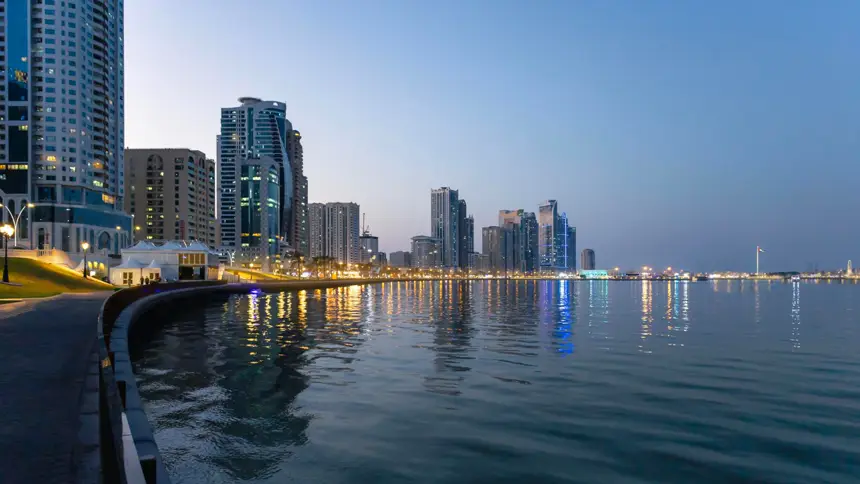
Sharjah has become one of the most important business destinations in the United Arab Emirates, largely due to the growth of its special economic zones. These special economic areas play a key role in driving economic growth, encouraging trade, and attracting global business opportunities. Economic hubs such as Hamriyah Free Zone and Sharjah Airport International Free Zone offer modern infrastructure, excellent transport links, and investor-friendly policies that make starting and running a business easier. They allow 100% foreign ownership, tax benefits, and simple licensing procedures, which attract companies from around the world. Located close to major seaports, airports, and Dubai, Sharjah’s business zones support import, export, and re-export activities, strengthening international trade. They also help create jobs, support small and medium businesses, and reduce dependence on oil by promoting industries such as manufacturing, logistics, and technology. As a result, these economic hubs are a vital part of Sharjah’s sustainable economic development.
Attraction of Foreign Investment
Free zones in Sharjah play a major role in attracting foreign investment and international businesses to the emirate. One of their biggest advantages is that they allow 100% foreign ownership, which means investors can fully control their companies without sharing ownership. There is also no requirement for a local sponsor, making Sharjah’s investment zones especially appealing to overseas entrepreneurs. The easy and fast company setup procedures, including simplified licencing and minimal paperwork, help businesses start operations quickly and efficiently.
These benefits have led to a steady rise in foreign direct investment (FDI), supporting Sharjah’s economic growth. Investors from Europe, Asia, and Africa are drawn to sectors such as manufacturing, logistics, trade, media, and technology. By creating a secure and investor-friendly environment with modern infrastructure and strong legal protection, Sharjah’s commercial zones strengthen global confidence and position the emirate as a leading international business and investment hub in the UAE.
Economic Diversification
Economic diversification is one of the most important benefits of free zones in Sharjah. These specialised business areas help the emirate grow beyond the oil sector by supporting a wide range of industries. Designated economic areas encourage the development of manufacturing, logistics, and service sectors, which are essential for long-term economic stability. In recent years, there has also been strong growth in the technology, media, publishing, and creative industries, especially in zones such as Sharjah Media City and Sharjah Publishing City.
By attracting businesses from different fields, these industrial and commercial zones help reduce dependence on oil revenue and create a more balanced economy. This diversification has led to a strong contribution to Sharjah’s non-oil GDP, making the economy more resilient to global oil price changes. Overall, Sharjah’s development zones play a key role in building a modern, knowledge-based economy that supports sustainable development and future growth.
Business-Friendly Policies
Business-friendly policies are one of the main reasons why free zones in Sharjah are highly competitive and attractive to investors. These zones offer tax exemptions on corporate and personal income, allowing businesses to reduce costs and increase profitability. Another important benefit is the full repatriation of profits and capital, which means companies can transfer their earnings back to their home countries without restrictions. Minimal customs duties within trade-focused zones support smooth import, export, and re-export activities, making Sharjah a preferred location for international trade.
In addition, simplified licensing and regulations reduce paperwork and save time, helping businesses start and operate more efficiently. The Sharjah government also provides strong legal protection, modern infrastructure, and digital services to support investors. Together, these policies create a stable, secure, and supportive business environment, strengthening Sharjah’s reputation as one of the most investor-friendly and cost-effective economic areas in the UAE.
Strategic Location and Connectivity
Sharjah’s strategic location and strong connectivity greatly increase the importance of its free zones and make them ideal for business and trade. The emirate is close to major seaports and international airports, including Port Khalid, Hamriyah Port, and Sharjah International Airport, which supports fast movement of goods and passengers. Sharjah also offers easy access to Dubai and other emirates, allowing businesses to reach wider markets while benefiting from lower operational costs.
With well-developed road, sea, and air transport links, companies can efficiently manage logistics, supply chains, and distribution networks. This excellent connectivity makes Sharjah an ideal hub for regional and global trade, linking markets in the Middle East, Asia, Europe, and Africa. As a result, Sharjah’s logistics and trade zones are especially attractive to logistics, manufacturing, and trading companies, strengthening the emirate’s role as a major commercial gateway in the UAE.
Support for SMEs and Start-ups
Free zones in Sharjah play an important role in supporting SMEs and start-ups, helping to promote entrepreneurship and innovation across the emirate. They offer affordable office spaces, warehouses, and industrial units, which reduce start-up costs for new businesses. Many enterprise zones also provide flexible business packages, allowing entrepreneurs to choose licences and facilities that suit their budget and business size. This creates a supportive environment for small and medium enterprises, where companies can grow without heavy financial pressure.
In addition, Sharjah’s start-up friendly zones encourage the growth of start-ups and freelancers, especially in sectors such as technology, media, e-commerce, and creative industries. Government-backed support services, networking opportunities, and simplified regulations further help new businesses succeed. By nurturing innovation and small businesses, Sharjah’s business development areas contribute to job creation, economic diversification, and the development of a strong and sustainable business ecosystem in the UAE.
Employment Generation
Free zones in Sharjah make a significant contribution to employment generation and skill development, supporting the emirate’s overall economic stability. By attracting companies from various sectors such as manufacturing, logistics, technology, and services, these employment-generating zones create jobs for both skilled and unskilled workers. These opportunities benefit local and expatriate professionals, helping to build a diverse and productive workforce. Many companies operating in these economic clusters also provide training programmes and skill enhancement opportunities, allowing employees to develop technical knowledge and professional experience.
This improves workforce quality and prepares individuals for long-term career growth. As employment levels rise, household incomes increase, which positively affects local businesses and the wider economy. In this way, Sharjah’s industrial zones help reduce unemployment, strengthen human capital, and support sustainable economic development. Overall, employment generation through Sharjah’s commercial districts plays a vital role in maintaining economic balance and long-term growth in the emirate.
Strengthening Global Trade
Sharjah’s free zones play a vital role in strengthening global trade by acting as key gateways to international markets. Their strategic location and advanced infrastructure support the promotion of import, export, and re-export activities, making Sharjah an important trading hub in the UAE. Businesses in these international trade zones benefit from faster customs clearance and simplified trade procedures, which reduce delays and improve efficiency. This encourages companies to move goods quickly across borders and manage supply chains smoothly.
As a result, Sharjah experiences an increase in trade volume, particularly in sectors such as logistics, manufacturing, and wholesale trade. The ease of doing business and strong transport links also help enhance global competitiveness, attracting international companies looking for reliable trade centres. By connecting markets across the Middle East, Asia, Europe, and Africa, Sharjah’s global commerce hubs strengthen the emirate’s position in international trade and support long-term economic growth.
Conclusion
Free zones are a vital pillar of Sharjah’s economic development and long-term success. They attract foreign investment through business-friendly policies, support economic diversification beyond oil, and encourage the growth of small and large businesses alike. By creating employment opportunities and promoting skill development, these strategic economic areas strengthen the local workforce and contribute to social and economic stability. Their strategic location and strong transport links also enhance international trade, making Sharjah an important gateway to global markets. Overall, Sharjah’s integrated business zones help build a competitive, sustainable, and future-ready economy, firmly establishing the emirate as one of the leading business and trade hubs in the UAE and the wider region.