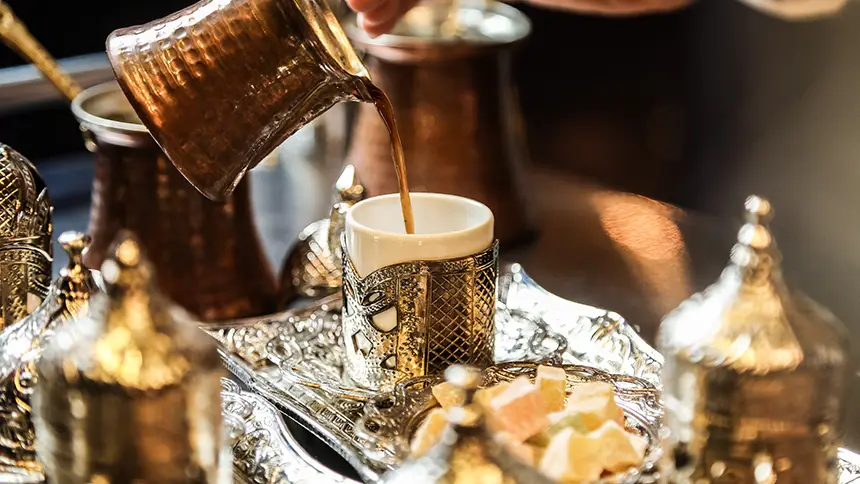
Home-style Emirati food culture in Umm Al Quwain reflects the emirate’s strong connection to tradition, simplicity, and family values. This small coastal emirate in the United Arab Emirates is known for its peaceful lifestyle and deep respect for heritage, which can be clearly seen in its everyday cooking. Most meals are prepared at home using fresh local ingredients such as fish from the Arabian Gulf, rice, dates, and natural spices. Traditional dishes like Machboos, Harees, and Thareed are slow-cooked and shared with family members, showing the importance of togetherness and hospitality in Emirati culture. Food is not only for nourishment but also a way to pass down customs from one generation to another. In this region, home-style cooking remains an important part of daily life, especially during religious occasions and family gatherings. This rich food culture helps preserve Emirati identity while teaching young people the value of respect, sharing, and simple living.
A Culture Rooted in Home Cooking
In the emirate, home cooking is at the heart of Emirati family life, reflecting the country’s rich culture and traditions. Food is more than just a meal; it is a way to bring families together and show love and care. Most Emirati dishes are prepared slowly and patiently, often taking hours to cook, which allows the flavours to develop fully. Recipes are treasured and passed down from one generation to the next, keeping the culinary heritage alive.
Hospitality is also a key part of this culture, with families often welcoming guests and sharing meals as a sign of respect and friendship. Using fresh, local ingredients like fish, dates, rice, and spices, home-cooked meals in the small emirate are simple yet full of flavour. This strong food culture helps preserve traditions while teaching children the importance of family, sharing, and community.
Fresh Local Ingredients from Land and Sea
In this coastal region, home-style Emirati cooking relies heavily on fresh local ingredients, which give each dish its natural and authentic flavour. Fish and seafood from the Arabian Gulf are staples in many meals, reflecting the area’s coastal lifestyle. Alongside seafood, ingredients like dates, rice, wheat, and a variety of local spices form the foundation of traditional Emirati cuisine. Herbs and natural flavours are carefully used to enhance dishes without overpowering their original taste.
The focus is always on simplicity and freshness, allowing the natural ingredients to shine. This approach not only creates healthy and delicious meals but also maintains a strong connection to the land and sea. By using local produce, families in the emirate preserve the traditional culinary culture while promoting sustainability. These ingredients are the backbone of home-style cooking, ensuring that every meal is wholesome, flavorful, and deeply rooted in Emirati heritage.
Popular Home-Style Emirati Dishes
Home-style cooking in this region features a variety of traditional dishes that are full of flavour and history. One of the most famous is Machboos, a spiced rice dish usually cooked with fish or meat, which is enjoyed by families across the area. Another popular dish is Harees, made from slow-cooked wheat and meat, offering a comforting and filling meal. Thareed is also widely loved; it is a stew of meat and vegetables poured over pieces of soft bread, making it perfect for sharing with family.
For those who enjoy sweeter dishes, Balaleet is a traditional favourite, combining sweet vermicelli with egg and aromatic spices. These dishes not only taste delicious but also reflect Emirati culture and the importance of family meals. Eating them together strengthens bonds and helps keep the culinary traditions of the emirate alive for future generations.
Cooking Methods Passed Through Generations
In this coastal emirate, home-style Emirati cooking is not only about the ingredients but also the traditional methods that have been passed down through generations. Many dishes are slow-cooked over low heat, allowing the flavours to blend naturally and giving the food a rich, comforting taste. Families often use traditional clay pots and large pans to prepare meals, which help retain heat and enhance the aroma of the food.
Spices are sometimes ground at home, ensuring freshness and a unique flavour that cannot be found in store-bought powders. Emirati cooking places a strong emphasis on aroma and texture, making every meal a sensory experience for the whole family. These methods show respect for the recipes of ancestors while creating dishes that are wholesome and full of character. By maintaining these cooking traditions, families in the emirate continue to preserve their culinary heritage and share it with future generations.
Family Meals and Social Bonding
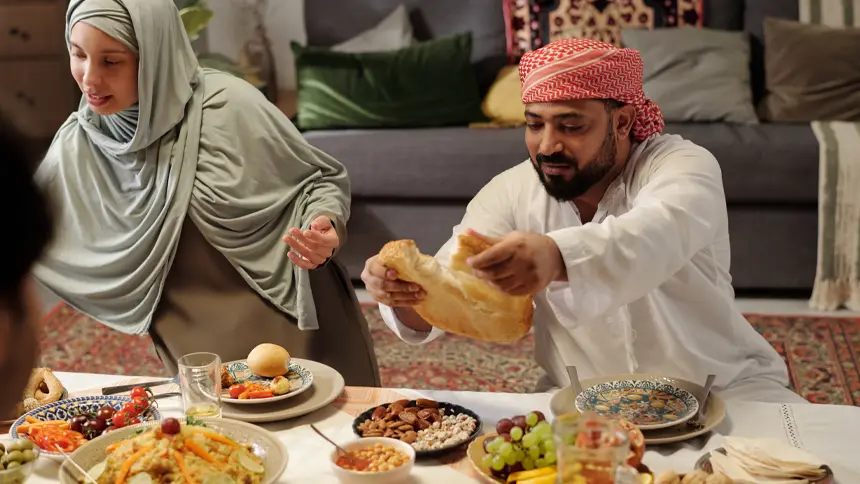
In the small emirate, home-style Emirati food plays an important role in bringing families together and strengthening social bonds. Eating together is a daily tradition, where family members gather around a shared meal to talk, laugh, and enjoy each other’s company. Meals are often shared with neighbours and guests, reflecting the strong culture of hospitality in Emirati society. Fridays and special gatherings are especially important, as families prepare larger meals and spend time together, celebrating their unity.
Traditional dishes like Machboos, Harees, and Thareed are usually served in generous portions, encouraging sharing and togetherness. Beyond just food, these family meals teach children about respect, gratitude, and the value of community. In this coastal region, the act of cooking, serving, and enjoying meals together is as significant as the food itself, making home-style cuisine a key part of Emirati life and culture.
Special Occasions and Festive Foods
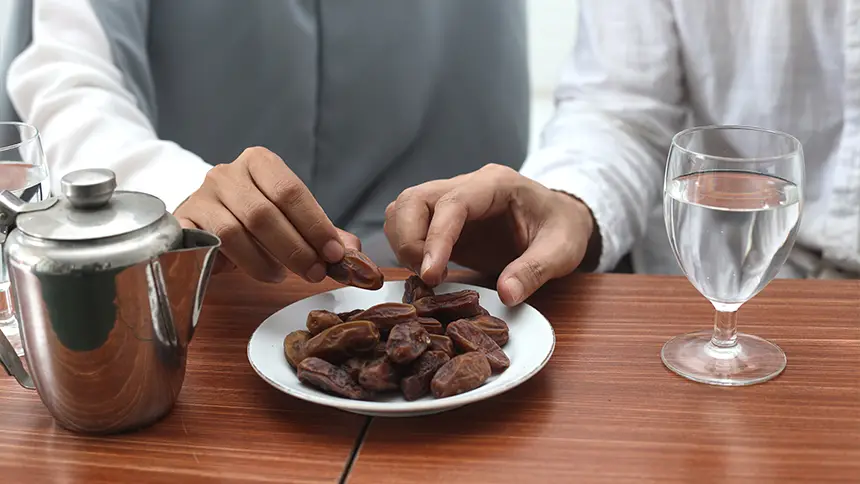
In the emirate, home-style Emirati cooking becomes even more special during festivals and family celebrations. During Ramadan, families prepare traditional dishes for Iftar, the meal that breaks the fast, including dates, soups, and slow-cooked meals like Harees and Thareed. Eid celebrations are marked with sweet treats and homemade desserts, which are shared with relatives, neighbours, and friends. Weddings and other family events also feature large, festive meals, showcasing the richness of Emirati cuisine.
Preparing food in large quantities is common, ensuring that everyone can enjoy the dishes together, reflecting the importance of generosity and hospitality in the culture. These special meals are not only delicious but also bring people closer, preserving traditions and passing them on to younger generations. Home-style cooking during festive occasions highlights the value of family, community, and celebration in this region.
Conclusion
Home-style Emirati food culture in Umm Al Quwain is more than just cooking; it is a celebration of family, tradition, and community. From the use of fresh local ingredients to the slow-cooking methods passed down through generations, every meal reflects the emirate’s rich heritage and love for hospitality. Traditional dishes like Machboos, Harees, Thareed, and Balaleet bring families together, strengthen social bonds, and teach younger generations the importance of sharing and respect. Special occasions, festivals, and family gatherings highlight the joy and generosity at the heart of Emirati culture. Even in a modern world, home-style cooking continues to thrive in the small emirate, preserving traditions while embracing convenience and contemporary life. By cherishing and passing on these culinary practices, the people of this coastal region ensure that their unique food culture remains alive, meaningful, and delicious for generations to come.