Food is an important part of cultural life in the United Arab Emirates. In the emirates of Ajman and Fujairah, seasonal dishes become especially meaningful during Ramadan and major Islamic celebrations. Families prepare special recipes that reflect faith, history, and local ingredients. These meals are not only about nourishment; they also strengthen relationships, encourage generosity, and protect heritage. Ramadan and festival seasons create a special atmosphere in homes and neighbourhoods. Markets stay open late, kitchens remain busy, and tables are filled with fragrant dishes. The cuisine of these coastal and mountainous regions combines Arabian traditions with influences from old trade routes across the Gulf and beyond.
The Importance of Ramadan in Local Culture
Ramadan is the ninth month of the Islamic calendar, during which Muslims fast from dawn until sunset, avoiding food and drink throughout the day. The fast is broken in the evening with a meal known as iftar, while suhoor, eaten before sunrise, provides energy for the hours ahead. In Ajman and Fujairah, this sacred period represents much more than abstaining from meals. It is a time for reflection, spiritual growth, generosity, and strengthening family bonds. People focus on charity, support those in need, and prepare traditional recipes that have been shared across generations. The arrival of this holy month transforms everyday life, with decorated streets, busy mosques, and homes filled with the rich aroma of carefully prepared dishes.
Traditional Iftar Dishes
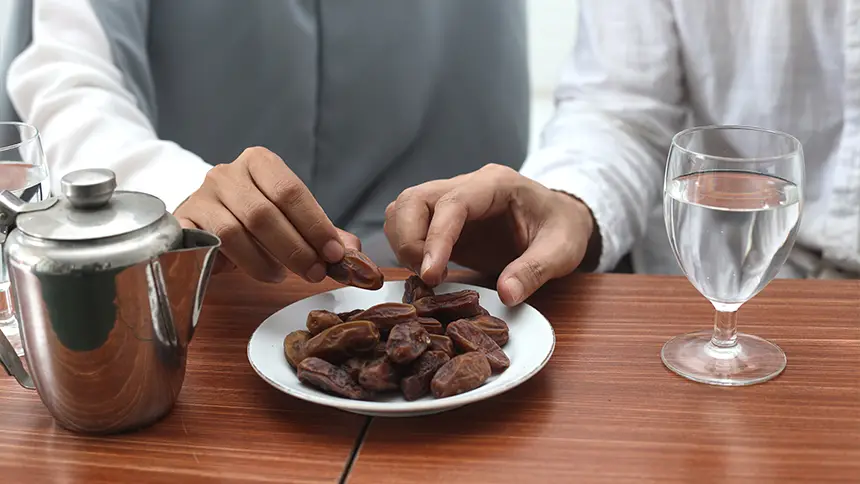
At sunset, families gather to break their fast. The meal usually begins with dates and water, following Islamic tradition. After that, a variety of comforting dishes are served.
Popular Iftar Options
- Harees – A soft wheat and meat dish cooked slowly until smooth.
- Machboos – Spiced rice prepared with chicken, lamb, or seafood.
- Thareed – Bread soaked in meat broth with vegetables.
- Luqaimat – Sweet dumplings covered with date syrup.
These dishes are filling yet balanced, helping the body regain strength after long hours without eating. In Fujairah, fresh seafood often appears because of its coastal location. In Ajman, both sea products and farm ingredients are commonly used.
Suhoor: The Pre-Dawn Meal
Suhoor is usually lighter but still important. It helps people stay strong during the fasting day. Families choose simple and easy-to-digest meals.
Common suhoor choices
- Flatbread with cheese or labneh
- Boiled eggs
- Fresh fruits
- Milk or yogurt
- Light rice dishes
Some households also enjoy small portions of leftovers from the evening meal. The focus is on moderation and proper hydration.
Community Gatherings and Ramadan Tents
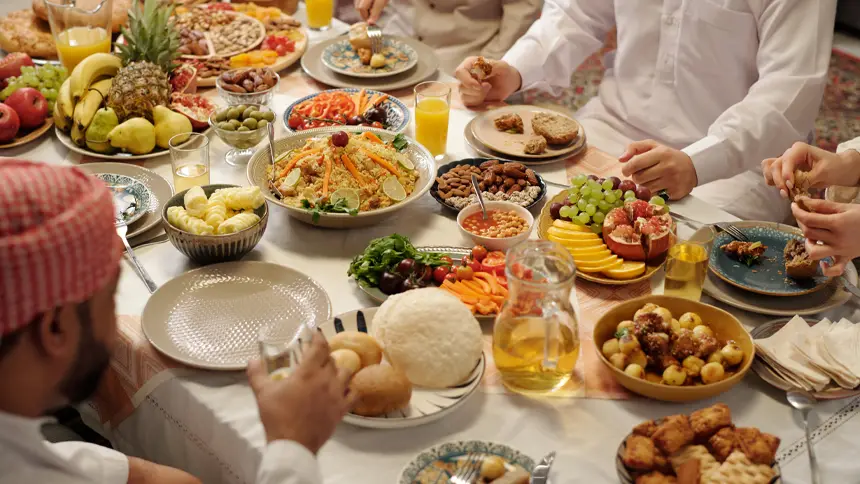
During Ramadan, special tents are set up across neighbourhoods in Ajman and Fujairah, creating welcoming spaces where residents and visitors can share evening meals together. Restaurants also introduce seasonal menus featuring traditional dishes that reflect local heritage. These gatherings often include large buffets filled with classic recipes, Arabic coffee and dates offered to guests, decorative lanterns and carpets that add a festive touch, and comfortable seating arranged for families. Street vendors nearby sell snacks such as samosas, grilled corn, and fresh pastries, adding to the lively atmosphere. Although the setting feels joyful, it remains respectful and centred on faith, with many individuals and organisations donating meals to those in need, strengthening the spirit of kindness and unity.
Eid al-Fitr: A Joyful Celebration
Eid al-Fitr marks the end of Ramadan. It is a happy time filled with prayer, new clothes, and special meals. In Ajman and Fujairah, the day begins with communal prayer, followed by visits to relatives and friends. Food prepared for this festival is often richer and more detailed. Homes become busy with baking and cooking.
Festive Dishes
- Balaleet – Sweet vermicelli topped with spiced egg.
- Ouzi – Roasted lamb served over rice with nuts.
- Stuffed dates with almonds.
- A variety of sweets and pastries.
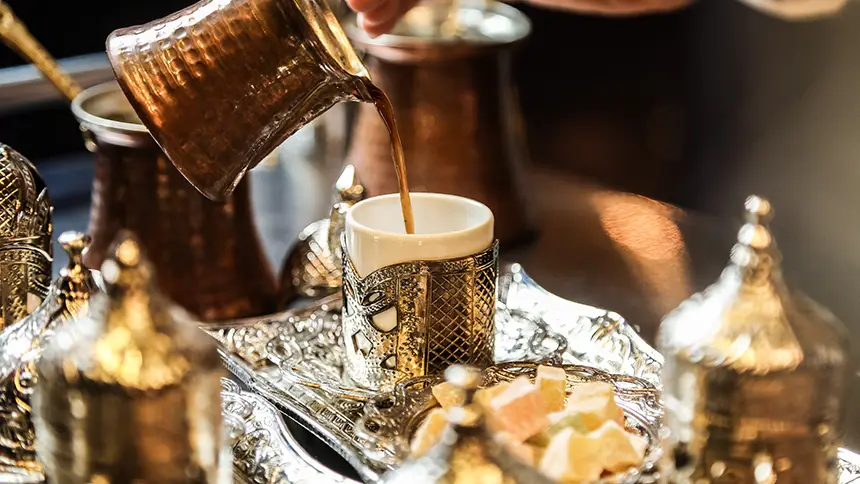
Guests are welcomed with Arabic coffee flavoured with cardamom. Children receive gifts and enjoy sugary treats. The dining table becomes a symbol of happiness and gratitude.
Eid al-Adha and Shared Meals
Eid al-Adha is another important Islamic occasion. It honours the devotion of Prophet Ibrahim. Families are able to perform animal sacrifice, and the meat is shared among relatives, neighbours, and people in need. In Ajman and Fujairah, this festival highlights generosity and unity. Traditional meals often include grilled meats, rice dishes, and rich stews prepared with aromatic seasonings.
Customs of the Occasion
- Dividing meat into portions for sharing
- Inviting extended family for lunch
- Preparing large trays of rice and roasted lamb
- Serving desserts and fresh fruits afterward
This celebration strengthens community bonds and ensures everyone enjoys a hearty meal.
Coastal Influence in Fujairah
Fujairah’s location along the Gulf of Oman shapes its seasonal cuisine. Fresh fish is widely available and plays an important role during Ramadan and festivals. Grilled fish, shrimp rice, and seafood stews are popular choices. Local markets remain active in the evenings, especially before iftar. Many households prefer preparing meals at home using fresh ingredients. This coastal influence gives Fujairah’s festive dishes a lighter and distinctive taste.
Local Ingredients and Natural Surroundings
Both emirates are surrounded by natural landscapes that influence cooking traditions. The mountains near Fujairah support small farms that grow fruits and vegetables. Dates from local palm trees are central to Ramadan customs.
Important ingredients
- Dates used in desserts and drinks
- Wheat for harees
- Rice brought through trade routes
- Herbs and mild spices
These elements show how geography and history shape seasonal menus.
Desserts and Sweet Traditions
Sweet dishes hold a special place during Ramadan evenings and Eid celebrations in these emirates. Luqaimat, lightly crisp dumplings drizzled with date syrup, are among the most loved treats, prepared in many homes or purchased from local shops. Other favourites include semolina cake called basbousa, honey-based pastries, nut-filled delicacies, and soft puddings scented with rose water. Serving desserts to visitors reflects warmth and welcome, and even a simple offering of dates and Arabic coffee carries heartfelt meaning.
The Spirit of Hospitality
Hospitality is at the centre of seasonal dining in these emirates. During Ramadan, many families share portions of their evening meals with neighbours before sunset, while charitable groups provide daily iftar plates for those in need. These customs reflect important values such as compassion, respect for guests, strong family connections, and the protection of culinary heritage. Through these generous acts, communities preserve their cultural identity and promote unity among residents.
Modern Changes and Continuing Traditions
Modern lifestyles have introduced new flavours and dining styles. Restaurants in Ajman and Fujairah now provide international buffets along with traditional selections during Ramadan. Creative desserts and new presentations attract younger generations. Even with these changes, classic recipes such as harees and machboos remain important. Families ensure that at least one traditional dish is present at gatherings. This balance between past and present keeps culinary customs alive.
Conclusion
Seasonal food customs during Ramadan and Islamic festivals in Ajman and Fujairah reflect faith, geography, and community spirit. From simple dates at sunset to grand Eid feasts, every dish carries meaning. Coastal seafood, mountain produce, and time-honoured cooking methods shape a unique regional identity. These celebrations are not only about eating. They are about gratitude, kindness, and togetherness. Families gather, neighbours share, and traditions pass from one generation to the next. In simple words, special meals during holy months bring people closer and keep culture alive in both emirates.