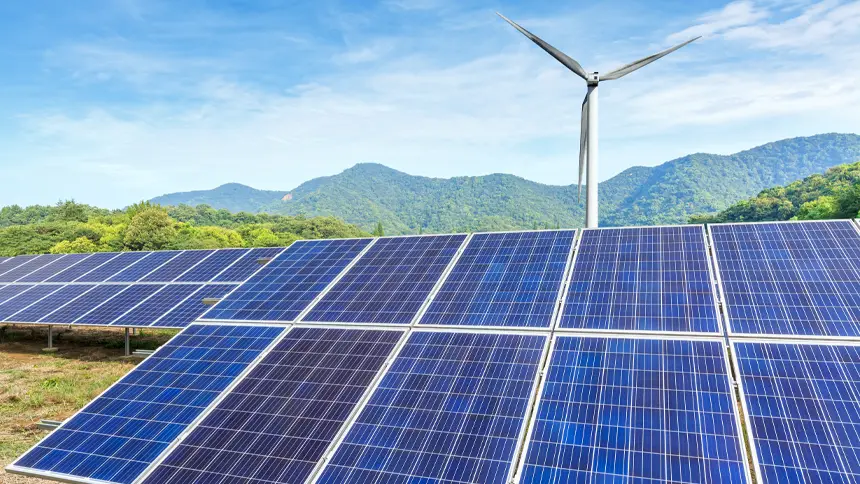
Fujairah, one of the seven emirates of the United Arab Emirates, is becoming an important centre for energy transformation. Located along the Gulf of Oman, the emirate is shifting its focus toward sustainable power sources. As global demand for clean electricity continues to grow, investors are searching for regions where natural resources, infrastructure, and policy support come together. Renewable Power investment in Fujairah presents strong business potential. The region offers sunlight, wind possibilities, industrial demand, and supportive strategies. These factors create a favourable environment for both local and international investors.
Energy Landscape in Fujairah
Fujairah has traditionally relied on conventional energy sources, especially gas-based power generation, to meet its electricity needs. Large power plants supply electricity to homes, businesses, and industries, supporting economic growth. However, the sector is gradually shifting toward a more sustainable approach, with cleaner alternatives being introduced. Modern infrastructure now allows renewable sources like solar and wind to integrate with existing systems. At the same time, rising electricity demand driven by industrial expansion is transforming the electricity sector. Fujairah’s strategic coastal location supports electricity trade and logistics, while growing interest in low-emission technologies encourages cleaner solutions. This blend of traditional and renewable electricity systems is creating a balanced mix, opening new investment opportunities.
Why Fujairah is Attractive for Renewable Investment
Abundant Natural Resources
Fujairah receives strong sunlight throughout the year, making it ideal for solar energy production. This ensures high efficiency and reliable output. In addition, certain areas experience suitable wind conditions. With improved turbine technology, even moderate wind speeds can generate electricity.
Strategic Location
Fujairah’s position outside the Strait of Hormuz gives it direct access to global shipping routes. This makes it an important hub for energy storage, transport, and export.
Government Support
The UAE government encourages clean energy development through policies and initiatives. These efforts promote private investment and partnerships.
Industrial Demand
Fujairah has industries such as shipping, oil storage, and manufacturing. These sectors require large amounts of power, increasing demand for renewable solutions.
Major Renewable Energy Opportunities
Solar Energy Projects
Solar electricity is one of the most promising sectors in Fujairah because of its strong and consistent sunlight. It is ideal for large-scale solar farms and rooftop installations for industries. Hybrid systems combining solar with traditional electricity are also growing in popularity, offering improved efficiency and reliability. These projects provide investors with flexible options based on scale and budget. Benefits include high returns, low maintenance, and easy scalability to meet increasing energy demand.
Wind Energy Development
It is becoming an important complementary power source in Fujairah. Although the region is not traditionally known for strong winds, modern technology allows electricity generation even at moderate speeds. Investment opportunities include small and medium wind farms, hybrid wind-solar systems, and offshore wind projects. Wind energy provides several benefits, including nighttime electricity production, improved electricity balance, and reduced reliance on fossil fuels, making it a valuable addition to Fujairah’s renewable power mix.
Green Hydrogen Production
Green hydrogen is emerging as a key component of the future energy landscape, produced using renewable power and serving as a clean alternative to traditional fuels. Fujairah is well-positioned for this sector due to its industrial base and access to export routes. Investment opportunities include hydrogen production plants, export-focused projects, and systems replacing conventional industrial fuels. Its significance lies in growing global demand, supporting cleaner industries, and providing strong long-term investment potential for sustainable renewable development.
Energy Storage Solutions
This plays a crucial role in ensuring the reliability of renewable power systems. Since sources like solar and wind are not always available, efficient storage solutions are necessary to maintain a steady supply of electricity. Investment areas include battery storage systems, technologies for stabilising the power grid, and smart tools for managing electricity use. These solutions help maintain a consistent energy flow, improve overall system efficiency, and support the integration of renewable sources into the existing electricity network.
Waste-to-Energy Projects
It is an innovative and growing sector that focusses on converting waste materials into electricity. This approach not only generates power but also addresses environmental challenges related to waste management. Opportunities in this field include municipal waste processing plants, systems for converting industrial waste, and biogas production facilities. The benefits of waste-to-energy projects include reducing landfill usage, creating additional revenue streams, and supporting environmental protection through sustainable waste handling practices.
Investment Models and Business Structures
Investors can choose from different business models depending on their strategy.
Common Investment Approaches
- Independent Power Producer (IPP): Private companies generate electricity and sell it through contracts
- Public-Private Partnerships (PPP): Cooperation between government and private investors
- Build-Own-Operate (BOO): Investors develop and manage projects independently
- Joint Ventures: Partnerships with local firms
These models offer flexibility and reduce risks.
Financial Benefits for Investors
These investments in Fujairah provide significant financial benefits for investors and businesses. Long-term contracts offer stable and predictable income, while lower operational costs compared to conventional energy systems enhance profitability. Additionally, investors can access global funding and financial support for green projects, facilitating easier project development and expansion. These combined advantages make renewable power a reliable and attractive business opportunity, encouraging both local and international investors to participate in Fujairah’s growing sustainable market.
Challenges to Consider
Despite its advantages, renewable energy investment in Fujairah comes with challenges. High initial capital is required for projects like solar farms and storage systems, and regulatory approvals can take time. Adapting technology to desert conditions, such as extreme heat and dust, adds complexity. Market competition may also impact returns. However, with careful planning, strategic partnerships, and effective management, these challenges can be successfully addressed, making investment both feasible and rewarding.
Future Trends in Fujairah’s Renewable Energy Sector
Fujairah’s renewable power sector is set to grow rapidly, fuelled by innovation and rising demand for clean power. Key trends include the expansion of green hydrogen production and the adoption of hybrid systems combining solar, wind, and conventional energy. Smart grid technology and artificial intelligence are increasingly used for efficient energy management, while eco-friendly industrial zones support sustainable development. Together, these trends are driving a transition toward a cleaner, more efficient, and technologically advanced power system in the emirate.
Role of Innovation and Technology
Technology plays a crucial role in improving the efficiency and reliability of renewable energy projects in Fujairah. Modern innovations such as high-efficiency solar panels allow for better electricity generation even in extreme conditions. Advanced wind turbines are designed to work effectively in low-speed wind environments, increasing their usability. Long-lasting power storage systems help maintain a steady power supply, while digital monitoring and automation tools improve system control and performance. These technological advancements reduce costs, enhance productivity, and make investments in renewables more appealing.
Environmental and Social Impact
Renewable energy investments bring positive changes beyond profits.
Positive Impacts
- Lower carbon emissions
- Better air quality
- Job creation in green industries
- Support for sustainable development
These benefits improve both the environment and society.
Conclusion
Fujairah is becoming a strong destination for renewable energy investment. Its natural resources, location, and supportive policies create many business opportunities. Solar power, wind power, green hydrogen, and storage systems are key areas for growth. Although there are challenges, the long-term benefits are greater. Investors who enter early can gain advantages and support sustainable progress.