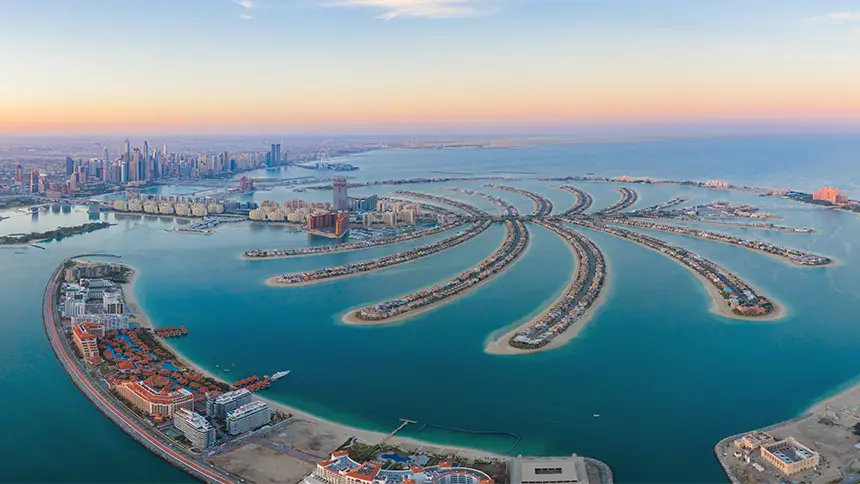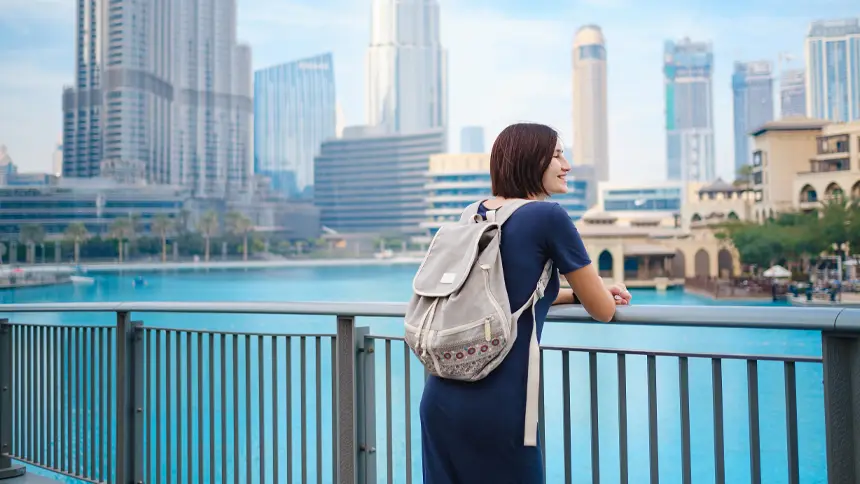
The growth of international tourism in Abu Dhabi and Dubai shows how the United Arab Emirates has become one of the world’s leading travel destinations. Over the past two decades, both cities have invested greatly in modern infrastructure, luxury hotels, airports, and transport systems to welcome millions of tourists each year. Dubai is famous for its tall skyscrapers, shopping malls, and entertainment attractions, while the capital city is known for its cultural landmarks, museums, and sustainable travel industry projects. International visitors are attracted by desert safaris, beaches, theme parks, and global events such as festivals and exhibitions. Easy visa policies and strong safety measures have also encouraged global travel growth. Today, tourism plays an important role in the UAE’s economy by creating jobs and promoting cultural exchange. Together, these two major cities represent the country’s vision of becoming a global tourism hub.
Strategic Government Support for Tourism
Strategic government support has been a major reason for the growth of international Tourism in Abu Dhabi and Dubai. The government of the United Arab Emirates has introduced national visitor sector strategies that focus on long-term development, modern infrastructure, and global promotion. Visa reforms, such as easier tourist visas and online applications, have made travel more convenient for international visitors from many countries.
Large investments in safety, security, and public services have increased tourist confidence and made the UAE one of the safest travel destinations in the world. The government also supports the travel industry through international events, festivals, and exhibitions that attract millions of visitors every year. In addition, funding for airports, hotels, and transport systems has improved travel experiences. These strong policies have helped the capital emirate and Dubai grow into leading global tourism centres.
World-Class Infrastructure and Connectivity
World-class infrastructure and strong connectivity have greatly supported the growth of international Tourism in Abu Dhabi and Dubai. Both cities are served by modern international airports with direct connections to Europe, Asia, Africa, and the Americas, making travel fast and convenient for global visitors. High-quality roads, advanced metro systems, and reliable public transport help tourists move easily between hotels, attractions, and shopping centres.
The cities also offer a wide range of accommodation, from luxury five-star hotels and beach resorts to affordable family hotels, suitable for all budgets. Smart transport services, digital ticketing, and clean public spaces improve the overall travel experience. The United Arab Emirates has invested billions in travel infrastructure to meet international standards. This strong transport network and hotel industry make the nation’s capital and Dubai leading destinations for international global travel and business visits.
Iconic Attractions and Landmarks
Iconic attractions and landmarks are a major reason why international tourism is growing in Abu Dhabi and Dubai. Tourists from around the world visit famous skyscrapers, museums, and theme parks that offer unique and exciting experiences. Dubai is home to the world’s tallest building, the Burj Khalifa, while the capital city attracts visitors with cultural sites such as the Louvre Abu Dhabi.
Both cities also offer beautiful beaches, thrilling desert safaris, and lively waterfront promenades for relaxation and adventure. Cultural centres and heritage villages help visitors learn about Emirati traditions and history. These attractions are promoted globally through travel campaigns and events. As part of the United Arab Emirates visitor development vision, iconic landmarks continue to make the capital emirate and Dubai leading international travel destinations.
Cultural Tourism and Heritage Promotion
Cultural Tourism and heritage promotion play an important role in the growth of international Tourism in Abu Dhabi and Dubai. Both cities work to preserve their local culture while welcoming visitors from around the world. Traditional festivals, cultural exhibitions, and national celebrations help tourists understand Emirati history and lifestyle. Famous museums such as the Louvre Abu Dhabi and historical districts like the Al Fahidi Historical District attract millions of visitors each year.
Cultural centres and heritage villages also display traditional crafts, music, and food. The promotion of Emirati art and customs through schools, events, and travel programmes strengthens national identity. Supported by the United Arab Emirates government, cultural tourism encourages respect for tradition while supporting the economy and making the capital city and Dubai leading cultural destinations for global travellers.
Shopping, Entertainment, and Events
Shopping, entertainment, and major events strongly support the growth of international tourism in Abu Dhabi and Dubai by offering exciting activities throughout the year. International shopping festivals, such as the famous Dubai Shopping Festival, attract millions of visitors with discounts, prizes, and cultural shows. Concerts, sports tournaments, and international exhibitions bring performers and audiences from many countries.
Theme parks, cinemas, and water parks provide fun for families, while nightlife attractions, restaurants, and waterfront areas create lively evening experiences for tourists. These events are carefully planned to take place in different seasons, which helps visitor activities continue all year round. The United Arab Emirates also promotes global events through media and travel campaigns to reach international visitors. Together, shopping, entertainment, and festivals make the capital emirate and Dubai some of the most popular event and holiday destinations in the world.
Sustainable and Eco-Tourism Initiatives
Sustainable and eco-Tourism initiatives are becoming an important focus of international Tourism in Abu Dhabi and Dubai. Both cities are developing green hotels and eco-friendly resorts that save water, reduce waste, and use energy more efficiently. The protection of natural habitats, such as mangroves, deserts, and wildlife reserves, helps preserve the environment while offering visitors educational and nature-based experiences.
Renewable energy travel projects, including solar-powered buildings and smart cities like Masdar City, show the UAE’s commitment to a cleaner future. Tourists can enjoy eco-tours, nature parks, and responsible travel activities that support conservation. The United Arab Emirates also promotes sustainability through national policies and awareness programmes linked to Tourism. These efforts help the capital city and Dubai grow as modern destinations while protecting the environment for future generations.
Economic Impact and Employment Opportunities
The growth of international tourism has greatly strengthened the national economy of Abu Dhabi and Dubai. Tourism creates thousands of jobs in hotels, airports, restaurants, transport services, and tour companies, providing employment for people from many backgrounds. It also supports the growth of small and medium businesses, such as travel agencies, souvenir shops, cafés, and local markets.
Increased numbers of visitors have encouraged foreign investment in resorts, shopping centres, and entertainment projects, helping the economy expand beyond oil and gas industries. Major events, exhibitions, and festivals bring steady income throughout the year and improve business opportunities. The United Arab Emirates government promotes this sector as a key part of its economic development plans. As tourism continues to grow, it improves living standards, creates new career paths for young people, and helps the capital emirate and Dubai remain strong and competitive global centres.
Conclusion
The rapid growth of international tourism in Abu Dhabi and Dubai shows their success in planning, innovation, and commitment to excellence. By combining modern attractions such as skyscrapers, theme parks, and luxury hotels with cultural heritage sites and sustainable travel practices, both cities continue to attract millions of visitors each year. Tourism has become a key part of the economy of the United Arab Emirates, creating jobs, supporting local businesses, and encouraging foreign investment. It also helps promote cultural understanding by bringing people from different nations together. With ongoing investment in infrastructure, eco-friendly projects, and global events, the capital city and Dubai are well prepared for future growth. These cities are expected to remain among the world’s most popular and dynamic destinations, contributing to economic development and strengthening the UAE’s position as a global Tourism hub.