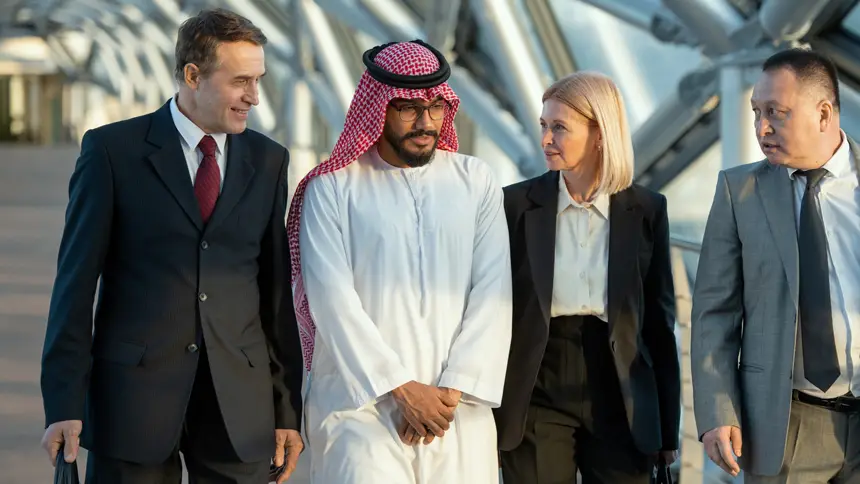
Entrepreneurship is an important driver of economic growth in the United Arab Emirates, and both Abu Dhabi and Dubai have become major centres for business and innovation. These two cities attract entrepreneurs from around the world because of their modern infrastructure, low taxes, and strong government support for start-ups. Abu Dhabi focuses on long-term development through investment in renewable energy, education, and technology, while Dubai is known for its fast-growing start-up culture in tourism, trade, and digital business. According to recent reports, the UAE ranks among the top countries in the Middle East for ease of doing business, making it a popular destination for new companies. Both cities also provide free zones, business visas, and financial incentives to encourage entrepreneurship. This article compares the entrepreneurial growth of the UAE’s capital city and Dubai by examining government policies, commercial environments, key industries, and future vision, helping students understand how these cities contribute to the UAE’s economic success.
Government Support and Policies
Government support and policies play a key role in encouraging entrepreneurial growth in Abu Dhabi and Dubai. The capital emirate focuses on long-term economic stability by offering strong state-backed funding, innovation programmes, and support for sectors such as renewable energy, education, and technology. The government invests in start-ups through national strategies that aim to build a knowledge-based economy and strengthen the national business sector. Dubai, on the other hand, is famous for its fast company registration process and flexible regulations, which make it easier for entrepreneurs to start and manage new enterprises quickly.
Both cities provide special free zones where foreign investors can own 100 per cent of their companies, enjoy tax advantages, and benefit from modern infrastructure. In addition, entrepreneur visas and start-up licences attract skilled professionals from around the world. These policies help make the UAE one of the most entrepreneur-friendly countries in the Middle East, strengthening its reputation as a global hub for commerce and innovation.
Business Environment and Culture
The working environment and culture in the UAE capital and Dubai show clear differences in the way entrepreneurship develops. This city has a more structured and calm professional atmosphere, which makes it suitable for research-based and corporate start-ups. Many companies focus on science, healthcare, education, and sustainable development, supported by government institutions and universities. This stable environment helps entrepreneurs plan for long-term growth and innovation in the business world. In contrast, Dubai is known for its highly competitive and fast-paced commercial culture.
It encourages risk-taking, creativity, and new ideas, especially in tourism, technology, and e-commerce. Entrepreneurs in Dubai often work in a dynamic market with strong global connections and a large customer base. The city also hosts many international trade events and start-up competitions. Together, these different working cultures make both cities important centres for entrepreneurial growth in the UAE.
Key Industries for Growth
Key industries play an important role in shaping entrepreneurial growth in Abu Dhabi and Dubai. The national capital leads in renewable energy, healthcare, education, and artificial intelligence, supporting the UAE’s goal of building a knowledge-based and sustainable economy. Projects in clean energy and medical research encourage innovation and attract international investors and skilled professionals. Universities and research centres also help young entrepreneurs develop new ideas and technologies for the modern business sector.
Dubai, on the other hand, leads in tourism and hospitality, trade and logistics, real estate, and technology and e-commerce. Its world-famous airports, ports, and shopping centres make it a global centre of trade and travel. Dubai’s strong digital economy supports online ventures and start-ups in finance and technology. These key industries help both cities diversify their economies beyond oil and strengthen their positions as major centres of entrepreneurship and economic growth in the Middle East.
Infrastructure and Start-up Facilities
Infrastructure and start-up facilities strongly influence entrepreneurial growth in Abu Dhabi and Dubai. The capital region offers affordable office spaces and government-supported innovation hubs that help new companies reduce costs and focus on research and development. These centres provide training, funding advice, and technical support for start-ups in areas such as technology and sustainability, improving their chances of success in the business environment. Dubai is famous for its world-class transport and digital infrastructure, including modern airports, smart roads, and high-speed internet, which make commercial operations fast and efficient.
It also provides many modern co-working spaces that encourage teamwork and creativity among young entrepreneurs. Both cities share important advantages such as business incubators and smart city projects that use advanced technology to improve services and economic growth. These facilities attract international investors and skilled workers, making the UAE one of the best regions in the Middle East for launching and expanding innovative ventures.
Talent and Workforce
Talent and workforce diversity play a major role in entrepreneurial growth in Abu Dhabi and Dubai. Both cities attract professionals from many different nationalities, creating a multicultural working environment that supports creativity and new ideas in the business field. Dubai draws young entrepreneurs because of its global exposure, lively lifestyle, and strong connections with international markets. Many skilled workers choose Dubai for careers in technology, tourism, and digital services, as the city offers exciting opportunities and a fast-moving professional culture.
The UAE capital in contrast appeals to professionals who prefer stability and family-friendly living conditions. It offers high-quality housing, good schools, and a calm professional atmosphere, which is suitable for long-term careers in education, healthcare, and research. Government programmes in both cities also provide training and work visas to attract skilled talent. This strong and diverse workforce helps strengthen the UAE’s position as a leading hub for entrepreneurship and economic development.
Networking and Global Connections
Networking and global connections are essential for entrepreneurial growth in Dubai and Abu Dhabi, as they help companies share ideas and attract investors from around the world. Dubai is well known for hosting international trade fairs, large exhibitions, and exciting start-up competitions that bring together entrepreneurs, organisations, and experts from many countries. These events give young innovators opportunities to present their ideas, build partnerships, and enter global markets within the international business community.
The federal capital focuses more on innovation summits, research forums, and government-led events that support scientific studies and long-term economic planning. These gatherings encourage cooperation between universities, industries, and government organisations. Both cities use these platforms to promote entrepreneurship, investment, and innovation in the UAE. Through strong networking systems and worldwide connections, this major emirate and Dubai continue to grow as important centres of trade and enterprise in the Middle East.
Future Vision and Innovation
The future vision of entrepreneurship in Abu Dhabi and Dubai is strongly focused on innovation and long-term growth. The capital city aims to build a sustainable and knowledge-based economy by investing in renewable energy, scientific research, and advanced education. Its plans support green companies and technology that protect the environment while creating new job opportunities and strengthening the business landscape. Dubai, on the other hand, concentrates on developing a digital economy and smart solutions through artificial intelligence, smart city projects, and online services.
The city encourages entrepreneurs to create technology-based start-ups in areas such as e-commerce, fintech, and digital marketing. Both cities aim to become leading global entrepreneurial hubs by attracting foreign investors, skilled professionals, and innovative companies from around the world. Their future strategies focus on reducing dependence on oil and strengthening modern industries. These forward-looking visions help ensure that the nation’s capital and Dubai remain important centres of entrepreneurship and economic development in the Middle East and beyond.
Conclusion
Abu Dhabi and Dubai represent two different but equally powerful models of entrepreneurial growth in the United Arab Emirates. The capital emirate offers a stable, government-supported, and research-driven environment that is ideal for entrepreneurs who seek long-term development in sectors such as education, healthcare, and sustainable technology. Dubai, on the other hand, provides a fast-moving and globally connected market that attracts innovators, investors, and start-ups from around the world. Its strong focus on tourism, trade, and digital services makes it a centre of modern business. Together, these two cities strengthen the UAE’s entrepreneurial ecosystem and promote economic diversification beyond oil. They create a wide range of opportunities for both local and international entrepreneurs. Ultimately, the choice between the UAE capital and Dubai depends on an entrepreneur’s goals, preferred industry, and lifestyle, but both cities continue to shape the future of innovation and economic progress in the region.