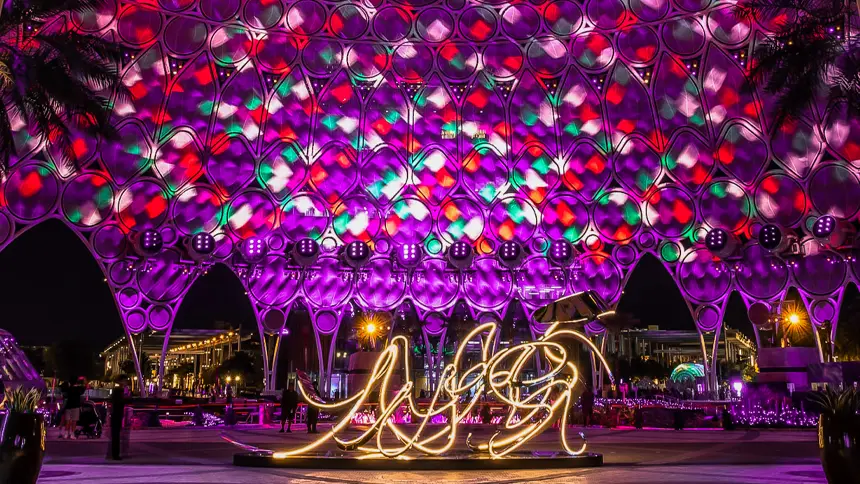
Expo 2020 Dubai was a landmark event that brought together millions of visitors from all over the world, showcasing the latest innovations, cultures, and ideas. Held in the United Arab Emirates, it played a significant role in promoting tourism, boosting retail, and influencing lifestyle trends across the region. The event offered an extraordinary opportunity for people to explore new technologies, experience immersive exhibitions, and learn about different cultures firsthand. Beyond being a celebration of global collaboration, the international mega-event also acted as a catalyst for change in the way people think, shop, and make lifestyle choices. Many consumers became more aware of sustainable practices, digital conveniences, and personalized experiences as they interacted with the pavilions and brands at the global exhibition. This article aims to explore the various ways in which consumer behaviour shifted after Expo 2020 Dubai, highlighting the trends, preferences, and expectations that have emerged in its aftermath.
Digital and Omni-Channel Shopping
Growth of Online Shopping
In the UAE, online shopping has grown rapidly in recent years, especially after Expo 2020 Dubai. More people now prefer to browse and buy products through websites and mobile apps, finding it convenient and time-saving. Digital wallets and mobile payment options have also become common, making transactions faster and easier for consumers. This shift to e-commerce allows people to compare prices, read reviews, and shop from the comfort of their homes, which has changed the way many residents make purchases.
Omni-Channel Expectations
Consumers today expect a seamless experience between online and physical stores. Many people research products online before visiting a shop to buy them, checking prices, availability, and reviews. Retailers are now focusing on connecting their digital platforms with in-store services, such as offering online ordering with in-store pickup. This combination of online and offline shopping, called omni-channel retail, ensures that customers enjoy convenience and flexibility while meeting their needs in different ways.
Sustainability and Value-Driven Choices
After the landmark world exposition, many consumers in the UAE have started paying more attention to sustainability and responsible purchasing. People are increasingly interested in brands that follow eco-friendly practices, such as using recycled materials, reducing waste, or supporting social causes. Many shoppers are now willing to spend a little more on products that are environmentally friendly or produced responsibly, showing that values are becoming an important factor in buying decisions.
The global showcase also played a key role in shaping these preferences, as many pavilions and exhibits focused on sustainability, clean energy, and global responsibility. Visitors were encouraged to think about the impact of their choices on the planet and society. As a result, consumers have become more aware and thoughtful about what they buy, choosing products not just for quality or price but also for their contribution to a better, greener world.
Experiential Consumption
After the international exhibition, many consumers in the UAE have shown a growing interest in experiences rather than just products. People now enjoy shopping that is interactive and immersive, where they can see, touch, or try products while engaging with the brand. Physical stores are blending with digital and interactive elements, such as touchscreens, virtual reality, and mobile apps, to make shopping more enjoyable and memorable.
The world-class event itself influenced this trend, as its pavilions offered visitors unique and engaging experiences, from innovative displays to hands-on exhibits and demonstrations. These interactive events showed how brands could connect with people emotionally, making them feel part of the experience. As a result, shoppers now look for stores and brands that provide more than just items for sale, valuing creativity, engagement, and entertainment while making their purchasing decisions.
Tourism and Travel Behavior
After the global cultural showcase, tourism and travel habits in the UAE have changed significantly. Visitors and residents now show a higher demand for cultural and quality travel experiences, seeking trips that allow them to learn about history, traditions, and local lifestyles. Spending patterns have also shifted, with more money being spent on experiential tourism, such as guided tours, cultural workshops, and interactive attractions, rather than just sightseeing or shopping.
The international gathering exposed people to cultures, innovations, and global trends from around the world, which has influenced their tastes and expectations when they travel. Many tourists now prefer destinations that offer unique experiences and opportunities to connect with local communities. Similarly, residents are becoming more interested in exploring diverse experiences both within the UAE and abroad. Overall, the event’s legacy encouraged people to value experiences over simple consumption, shaping the way they plan and enjoy travel.
Brand Engagement and Marketing
After the world exposition, consumer expectations for brand engagement and marketing have changed greatly. There has been a noticeable growth in influencer marketing and social media campaigns, as people increasingly follow recommendations from online personalities and trust digital content more than traditional advertisements. Consumers now also expect personalized offers and interactions from brands, such as tailored discounts, product suggestions, and customized communications, which make shopping more relevant and enjoyable.
To meet these expectations, many companies are using artificial intelligence (AI) and data analytics to understand customer preferences and behaviour better. This allows brands to provide unique experiences for each consumer and communicate in ways that feel personal and engaging. The innovation-focused exhibition highlighted these trends through interactive pavilions and creative campaigns, showing how technology can enhance engagement. As a result, marketing has become more focused on connecting with people individually and creating meaningful interactions rather than simply promoting products.
Lifestyle and Urban Preferences
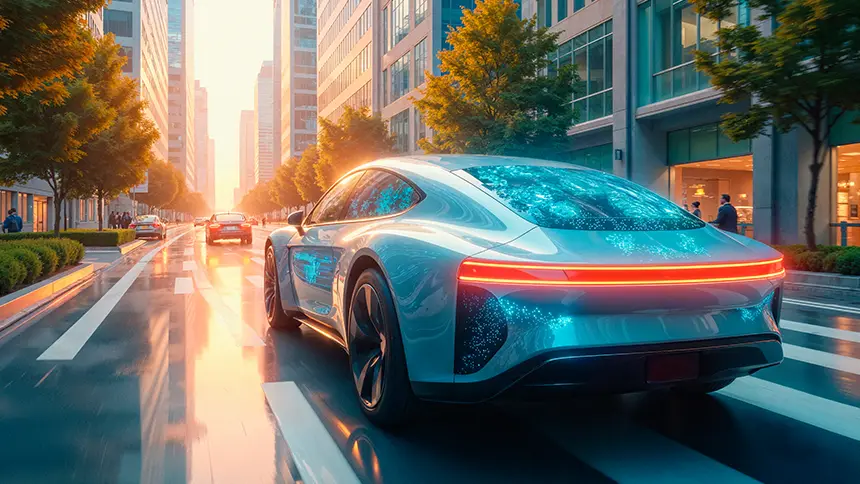
In recent years, the landmark global event has influenced the way people in the UAE think about their lifestyles and living spaces. There is a growing interest in smart city living, where technology is used to improve comfort, safety, and efficiency in daily life. People are also paying more attention to wellness and sustainability, choosing homes and communities that support healthy living and environmentally friendly practices. These preferences have influenced real estate and lifestyle-related purchases, with buyers looking for properties that offer modern facilities, green spaces, and smart technologies.
Consumers are now thinking more carefully about long-term value and quality when making buying decisions, rather than focusing only on price. The internationally recognised exhibition played an important role in promoting ideas of innovation and sustainable living, encouraging people to rethink how and where they live. As a result, lifestyle choices are becoming more future-focused and quality-driven.
Conclusion
Expo 2020 Dubai brought about significant changes in consumer behaviour across the UAE. Shoppers have become more digitally aware, value sustainability, and prefer meaningful experiences over simple purchases. There has also been a clear shift towards online and omni-channel shopping, personalised marketing, and experience-based tourism. These changes have important implications for brands, retailers, and policymakers. Businesses must adapt by offering digital convenience, responsible practices, and engaging experiences to meet rising consumer expectations.
Retailers need to invest in technology and customer-focused strategies, while policymakers should support innovation, sustainability, and smart urban development. Looking ahead, consumer behaviour in the UAE is expected to continue evolving as technology advances and global influences grow. The legacy of this historic world event will remain visible in the way people shop, travel, and live, shaping a more connected, sustainable, and experience-driven market for the future.