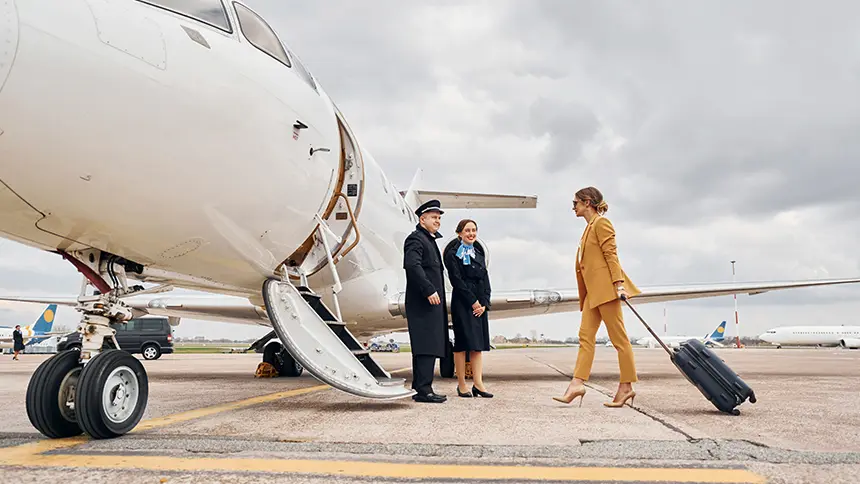
Etihad Airways, the national airline of the United Arab Emirates, has emerged as one of the world’s leading carriers, symbolizing Abu Dhabi’s ambition to establish itself as a global business and tourism hub. Since its establishment, the airline has played a critical role in connecting the UAE to international markets, boosting trade, tourism, and investment. Recognized for its high standards of service, innovation, and strategic partnerships, it has become a major player in the aviation industry.
History and Foundation
Etihad Airways was founded in 2003 by a royal decree from the late Sheikh Zayed bin Sultan Al Nahyan, the founder of the UAE, with the aim of creating a modern, world-class airline to support Abu Dhabi’s economic diversification beyond oil dependency. The airline launched its first commercial flight to Beirut in November 2003, marking the beginning of its operations. From the outset, it is focused on providing premium services while enhancing the Emirati capital’s reputation as a business-friendly city. Within its first decade, the airline experienced significant growth, expanding its fleet, increasing the number of destinations, and establishing strategic global partnerships that laid the foundation for its emergence as a leading international carrier.
Fleet and Innovation
A major pillar of this company’s success is its modern and diverse fleet, which enables efficient operations across both long-haul and regional routes. The airline operates a mix of wide-body jets, including Airbus A380s, Boeing 787 Dreamliners, and Airbus A350s, allowing it to serve a wide range of destinations while maintaining operational flexibility.
Etihad is also committed to sustainability and innovation. Its environmental initiatives include adopting fuel-efficient aircraft and exploring alternative fuels to reduce carbon emissions. Additionally, the airline has introduced premium cabins, private suites, and advanced in-flight entertainment systems, enhancing the overall passenger experience. These investments not only improve comfort and service quality but also position it as a technologically advanced competitor in the global aviation industry.
Global Network
The company operates flights to more than 80 destinations across six continents, making it a truly global carrier.
- Strategic Hubs: Abu Dhabi International Airport serves as the airline’s primary hub, connecting passengers efficiently across Europe, Asia, Africa, and the Americas.
- Code-Share Partnerships: Collaborations with airlines like Air Serbia, Virgin Australia, and Alitalia extend the reach of its network.
- Cargo Services: Etihad Cargo supports trade and commerce by transporting high-value goods, perishables, and industrial equipment.
This extensive connectivity supports both leisure tourism and international business travel, strengthening Abu Dhabi’s economic linkages worldwide.
Business Model and Strategy
The airline has pursued a diversified business model combining premium passenger services, cargo operations, and strategic investments in other airlines.
- Luxury-Oriented Service: Etihad targets both high-end travelers and business passengers with premium offerings.
- Equity Partnerships: Investments in carriers like Air Seychelles and Jet Airways enabled network expansion without full ownership.
- Cost Efficiency Measures: Innovative scheduling, fleet optimization, and fuel hedging strategies improve operational efficiency.
This approach has allowed the airline to remain competitive despite the highly volatile nature of the global aviation sector.
Financial Performance
Despite global economic fluctuations, Etihad Airways has demonstrated resilience through a well-structured financial strategy. Its revenue streams come from passenger services, cargo operations, and ancillary offerings such as lounges and loyalty programs. While the airline faces challenges from intense competition and geopolitical uncertainties, it has implemented cost-cutting measures to maintain stability. Continued investment in fleet modernization and digital services reflects a long-term vision for growth and profitability. Overall, Etihad’s financial approach emphasizes sustainability, enabling the airline to navigate cyclical downturns in global travel demand effectively.
Customer Experience and Branding
The airline is widely recognized for luxury, innovation, and personalized service, which have become central to its brand identity.
- Cabin Classes: First Class, Business Class, and Economy are designed for comfort, safety, and privacy.
- In-Flight Services: Gourmet dining, state-of-the-art entertainment systems, and attentive cabin crews enhance the passenger experience.
- Loyalty Program: The Etihad Guest program rewards frequent travelers and promotes customer retention.
This focus on excellence has earned Etihad numerous awards and positioned it among the top airlines in the Middle East and globally.
Strategic Alliances and Partnerships
To strengthen its international presence, Etihad Airways has formed strategic alliances and joint ventures with leading airlines. By cooperating with carriers across Europe, Asia, and the Americas, the airline enables seamless travel experiences for passengers. Codeshare agreements allow travelers to access extended routes without additional operational costs for Etihad, while membership in industry organizations such as the International Air Transport Association (IATA) ensures compliance with global aviation standards. These alliances not only expand Etihad’s network but also enhance operational efficiency and reinforce its brand visibility worldwide.
Challenges and Opportunities
Like any global airline, Etihad faces challenges but also opportunities to grow.
Challenges
- Intense competition from regional airlines such as Emirates and Qatar Airways.
- Volatility in oil prices affects operational costs.
- Geopolitical tensions in the Middle East are impacting travel demand.
Opportunities
- Expansion into emerging markets in Africa and Asia.
- Investment in sustainable aviation technologies.
- Leveraging digital transformation for customer engagement and operational efficiency.
By addressing these challenges strategically, Etihad can continue to strengthen its market position.
Corporate Social Responsibility
Etihad Airways places strong emphasis on corporate social responsibility, aligning its business practices with Abu Dhabi’s sustainable development goals. The airline promotes environmental stewardship through initiatives such as carbon offset programs and reducing plastic use onboard. It actively engages with the community by supporting local education, health, and cultural programs, while also investing in employee development through training programs that ensure staff are skilled, motivated, and globally competitive. These efforts demonstrate Etihad’s commitment to ethical business conduct and creating a long-term positive impact on society.
Contribution to Abu Dhabi’s Economy
The airline plays a crucial role in Abu Dhabi’s economic growth by promoting tourism, facilitating trade, and generating employment. By connecting the city to international destinations, the airline attracts visitors who contribute to the hospitality, retail, and leisure sectors. Its cargo services support imports and exports, linking local businesses to global markets and enhancing trade opportunities. Additionally, Etihad creates thousands of direct and indirect jobs through its airline operations and related industries. Overall, the airline’s presence significantly reinforces Emirati capital’s vision of becoming a world-class business and tourism hub.
Conclusion
Etihad Airways represents more than just an airline; it is a symbol of Abu Dhabi’s global aspirations. Through strategic investments, innovative services, and a commitment to sustainability, the carrier has built a brand recognized worldwide. Despite challenges like market competition and economic fluctuations, Etihad’s focus on customer experience, operational excellence, and global connectivity positions it as a resilient and forward-looking airline.
By connecting people, businesses, and cultures across continents, Etihad Airways not only supports the desert city’s economic diversification but also strengthens its international reputation. Its journey demonstrates how a national carrier can evolve into a global business powerhouse, balancing profitability with social responsibility.