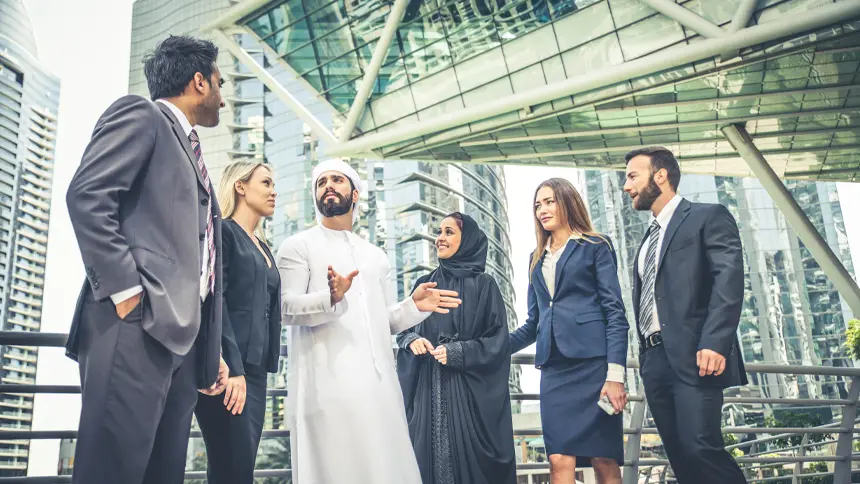
Family businesses have always been the backbone of the United Arab Emirates’ economy. Before oil wealth and skyscrapers transformed the nation, trade was mainly managed by groups who relied on trust, reputation, and shared responsibility. Even today, these enterprises play a major part in shaping the UAE’s economy and identity.
From small trading shops in old souks to billion-dollar companies with global reach, family-owned firms continue to drive growth, preserve cultural values, and inspire future entrepreneurs. Their long-term vision, stability, and adaptability make them one of the strongest pillars of the private sector.
The Historical Roots of Family Enterprises
Before oil was discovered, the UAE’s economy relied on pearl diving, fishing, and trade, where families worked side by side to run boats, sell goods, and build ties across the Gulf, India, and East Africa. Business was guided by trust, honor, and family reputation rather than profit alone, and each generation learned from the one before, creating a tradition of loyalty and cooperation that still shapes many modern companies today.
Economic Importance
Family-owned businesses form a major part of the UAE’s private sector, contributing greatly to the national economy and creating numerous jobs for both locals and expatriates. Focused on long-term growth rather than quick profit, these businesses operate across diverse sectors such as retail, real estate, tourism, and manufacturing. Their unity, resilience, and balance of tradition with modern management help them remain strong and adaptable, even during challenging times.
Major Family Business Groups in the UAE
Several Emirati families have transformed their modest beginnings into major business empires.
Some of the most recognized names include
- Al-Futtaim Group – Originating from a trading business in the 1930s, it now spans automotive, electronics, real estate, and retail, representing global brands like Toyota and IKEA.
- Al-Ghurair Group – With roots in banking, food, and industry, this group helped shape Dubai’s early commercial life.
- Juma Al Majid Group – Active in construction, distribution, travel, and education.
- Al Habtoor Group – A strong name in hospitality, real estate, and automotive services.
- Al Tayer Group – Known for luxury retail, automotive, and lifestyle businesses.
These families have not only built wealth but also contributed to the UAE’s global reputation for business excellence.
Cultural and Social Impact
Beyond their economic role, family enterprises help preserve cultural values and social harmony in the UAE. Built on unity, loyalty, and respect for the elderly, these businesses promote trust and cooperation across generations. Many families also contribute to society through charitable efforts, education, and community development, earning them a strong reputation for integrity and responsibility that continues to inspire others.
Generational Transition: Passing the Torch
One of the greatest challenges facing family businesses is succession planning. As businesses grow and founders age, leadership must move to the next generation. This process is often complex because it involves emotional, financial, and operational decisions.
Passing leadership from one generation to the next can be challenging for family businesses, often due to differing visions, internal conflicts, or lack of preparation among successors. Personal and professional boundaries may also blur, creating tension within the family. To ensure a smooth transition, it is important to establish clear rules through a constitution, build governance structures like councils or advisory boards, train future leaders early, and maintain open communication. When managed wisely, this process can bring new energy and ideas while preserving the family’s legacy.
Modernization and Innovation
Today’s young family members are educated, tech-savvy, and globally connected. Many are reshaping traditional companies by introducing digital systems, sustainability goals, and new business models.
Modern Trends
- Digital transformation – Adoption of e-commerce, online services, and automation.
- Global expansion – Setting up offices and partnerships abroad.
- Green initiatives – Investing in renewable energy and sustainable design.
- Professional management – Hiring skilled executives while keeping ownership within the family.
This blend of innovation and tradition keeps businesses competitive in a fast-changing world.
Government Support and Legal Framework
The UAE government plays a key role in supporting family-run companies, recognizing their importance to national development and economic stability. Through various initiatives and legal reforms, it aims to strengthen its foundations, improve governance, and ensure smooth succession between generations. The introduction of the Family Business Law (2022) has been especially significant, allowing families to organize ownership and management in a transparent and legally secure way.
In addition, business councils and forums offer valuable platforms for learning, collaboration, and conflict resolution, while incentives for small and medium businesses encourage innovation and youth participation. The government also promotes diversification, helping traditional family businesses expand into modern sectors such as renewable energy, digital technology, and advanced manufacturing. Together, these measures show the UAE’s commitment to preserving values while fostering progress and global competitiveness.
The Role of Women in Family Enterprises
Women are now playing key leadership roles in family-owned businesses across the UAE, managing operations, leading projects, and driving innovation. Their involvement expands the talent pool, encourages creative leadership, and supports the nation’s goals for gender equality. By inspiring young girls to pursue business careers, this shift marks a modern, inclusive phase in entrepreneurship where tradition and progress go hand in hand.
Challenges in the Modern Era
Despite their strength and legacy, family businesses in the UAE face several challenges in today’s fast-changing global economy. They must compete with multinational companies, adapt to rapid technological progress, and develop stronger digital skills to stay relevant. Issues such as succession planning, governance gaps, and market fluctuations can also test their stability and decision-making speed. Moreover, balancing emotional ties with professional management remains a constant struggle. To overcome these hurdles, families need clear structures that separate ownership and management while preserving the shared values that define their success.
Future Outlook
Family-owned companies will continue to play a key role in the UAE’s Vision 2031 and Vision 2071, leading progress in sustainability, tourism, technology, and finance. Embracing innovation, many are adopting AI, expanding globally, and focusing on environmental responsibility. With stronger governance and modern strategies, these businesses are set to stay united, transparent, and vital to the nation’s future growth.
Lessons from UAE Family Businesses
The success of family-owned enterprises in the UAE offers valuable lessons in how values and vision work hand in hand. Integrity, trust, and patience have been the foundation of their lasting growth, as these firms prioritize stability over short-term profit. Their ability to adapt while preserving tradition keeps them relevant in a changing world, while education and training prepare younger generations for leadership. Strong governance and clear structures ensure fairness and prevent conflicts, making UAE family businesses admired and respected across the region.
Conclusion
Family businesses in the UAE are more than economic entities, they are living stories of unity, resilience, and progress. From the early traders who built their livelihoods on trust to today’s global corporations managed by new generations, they embody the nation’s spirit of entrepreneurship.
Their strength lies in balancing tradition with innovation, family with professionalism, and heritage with global ambition. With clear governance, digital transformation, and inclusive leadership, they are ready to shape the next chapter of the UAE’s economic future.