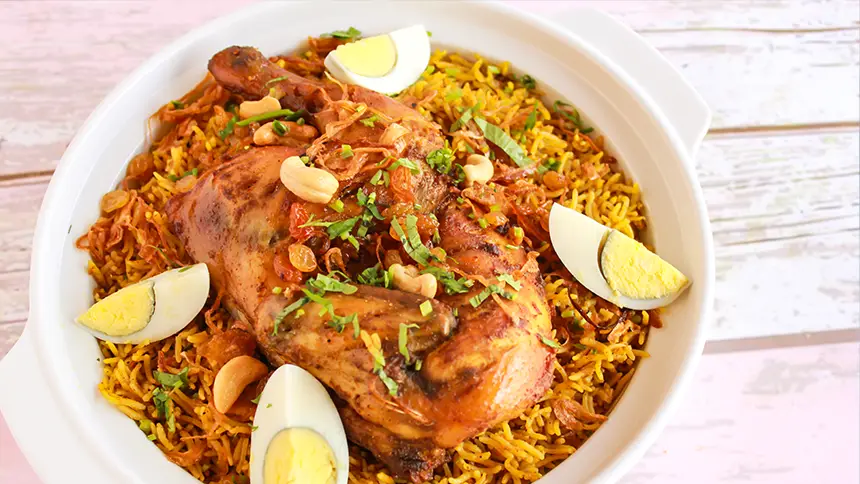
Food is a reflection of a nation’s soul, and in the United Arab Emirates, every dish tells a story of tradition, culture, and hospitality. Among the many flavorful Emirati dishes, Al Machboos stands as one of the most beloved and symbolic meals. Known for its rich aroma and colorful presentation, it is a rice-based dish prepared with a blend of spices, meat, and dried lemon known as Loomi. Though its base ingredients remain similar, every Emirate, from Abu Dhabi to Fujairah, adds its own touch, making the dish truly regional.
What is Al Machboos?
It is a traditional rice dish with chicken, lamb, or seafood, flavored with spices like cardamom, cinnamon, cloves, turmeric, and dried lime. Its name means “compressed,” reflecting how rice and meat are cooked together, similar to other Gulf dishes like Kabsa.
Core Ingredients
While recipes differ slightly from one region to another, the following elements are central to most Emirati preparations.
- Rice: Long-grain basmati rice is the preferred choice for its light texture and ability to absorb flavors.
- Protein: Chicken, lamb, goat, or fish, depending on regional availability and preference.
- Spices: A mix of cardamom, cloves, cinnamon, nutmeg, turmeric, bay leaves, and black pepper.
- Loomi: Dried lime that adds a tangy and smoky depth to the dish.
- Saffron and Rose Water: Used for fragrance and color, reflecting the UAE’s Persian influences.
- Tomatoes, Onions, and Garlic: The flavor base that gives body to the rice.
The Role of Al Machboos in Emirati Culture
In Emirati homes, it symbolizes unity, warmth, and hospitality. Served at gatherings and celebrations on a shared platter called a sahn, it reflects equality, friendship, and generosity, core values of Emirati culture. Its presence at special occasions also highlights the deep respect Emiratis hold for tradition and togetherness.
Regional Variations
Each Emirate has developed its own interpretation of the dish, influenced by geography, trade history, and available ingredients. Below is an exploration of how this national treasure transformed from one region to another.
Abu Dhabi: The Capital’s Classic Touch
Abu Dhabi’s Machboos is known for its rich, balanced flavor, featuring both meat and seafood inspired by the city’s desert and coastal heritage.
- Commonly prepared with lamb or goat, representing Bedouin roots.
- Generous use of cardamom, cloves, and saffron for a luxurious aroma.
- Often served with raita (yogurt sauce) and pickled vegetables.
- The rice is cooked in meat broth for a deeper flavor.
In traditional households, the dish is slow-cooked in clay pots, allowing spices to infuse gradually, creating a mellow yet full-bodied taste.
Dubai: Cosmopolitan Influence
Dubai’s Al Machboos reflects its global influence, blending Indian, Persian, and African flavors for a rich, fusion-style dish.
- Chicken is most common due to convenience and lighter flavor.
- Use of saffron, rose water, and fried onions adds richness and fragrance.
- Cashews and raisins are sometimes sprinkled on top, giving a sweet-salty twist.
- The flavor is slightly spicier, reflecting Indian culinary influence.
In Dubai, Machboos is often served with salad and spicy chutney, blending Emirati and international flavors.
Sharjah: Tradition Preserved
Sharjah’s Machboos preserves tradition, focusing on authentic flavors and simple, classic recipes.
- Traditionally made with camel or goat meat, a nod to desert life.
- The Loomi flavor is strong, giving a slightly sour and smoky taste.
- Fewer added ingredients, spices and meat shine through naturally.
- Cooked over charcoal fire for an earthy aroma.
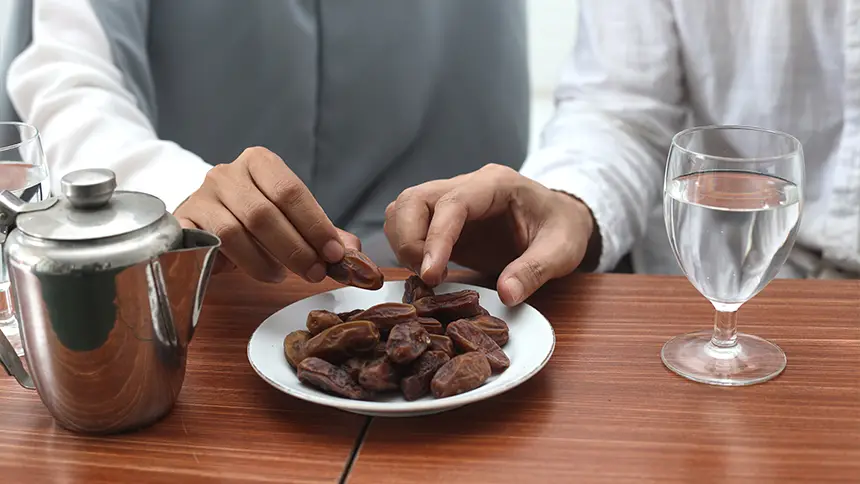
During Ramadan, Sharjah’s families often serve Machboos as the main iftar dish, accompanied by dates and laban (yogurt drink).
Ajman: Family Flavor
Ajman’s Machboos is homely and communal, often cooked in large pots to serve families during celebrations.
- Chicken or fish is commonly used due to coastal proximity.
- Enhanced with caramelized onions and mild spices for comfort food appeal.
- Often garnished with fried nuts for extra crunch.
- Served with fresh salad or mint yogurt dip.
The recipe is passed down through generations, with each family adding its own special touch.
Umm Al Quwain: The Coastal Simplicity
This northern Emirate is known for Seafood Machboos, highlighting the fresh catch of the Arabian Gulf.
- Shrimp, crab, or local fish replace red meat.
- Flavored with cumin and coriander to complement the seafood.
- Lighter use of saffron and Loomi to avoid overpowering the fish flavor.
- Rice is often colored with turmeric for a golden hue.
This version is often served in seaside restaurants, where the spices blend with the ocean breeze for a true coastal experience.
Ras Al Khaimah: Mountain Spice
Ras Al Khaimah’s Machboos is rich in spices and local produce, influenced by trade with Oman and Persia.
- Use lamb or goat, slow-cooked until tender.
- Heavy on cinnamon, cloves, and nutmeg, creating deep warmth.
- Often includes tomatoes and bell peppers for color and texture.
- Finished with saffron water drizzle for golden appeal.
The dish is commonly served during Eid and family gatherings, symbolizing abundance and gratitude for the harvest and blessings.
Fujairah: Mountain Meets Sea
Fujairah’s Machboos blends coastal and mountain influences, featuring seafood or meat depending on the season.
- Fish Machboos are popular, often made with kingfish or tuna.
- Balanced use of tamarind, giving a slightly tangy undertone.
- Fresh herbs like coriander and dill add brightness.
- Served with lime wedges and spicy tomato sauce.
The dish reflects Fujairah’s dual identity, both a fishing and farming region, where people respect land and sea equally.
Cooking Techniques Across the Emirates
Though the recipe varies, several techniques remain central to authentic Machboos preparation.
- Layering: Rice and meat are cooked separately, then layered to absorb flavor.
- Steaming: The pot is covered tightly, so the steam blends spices thoroughly.
- Infusion: Loomi and saffron are soaked before use, ensuring a balanced taste.
- Slow Cooking: Traditional methods require patience, low heat brings harmony to flavors.
Modern Twists on Al Machboos
Modern chefs in the UAE are giving it a creative twist while preserving its traditional charm. New versions include vegetarian options made with chickpeas or mushrooms, healthier brown rice varieties, café-style Machboos bowls, and fusion flavors like coconut or lemongrass. These innovations keep the dish fresh and relevant while celebrating its cultural heritage.
Cultural Significance Beyond the Plate
Al Machboos is more than food, it’s a symbol of Emirati identity and family unity. Passed down through generations, it preserves tradition and heritage. During national events, cooking activities celebrate this beloved dish, reminding everyone that food connects the past with the present and keeps cultural pride alive.
Health Aspects
Though rich and filling, it can be a wholesome dish when made with care. Its meat or seafood offers protein for muscle health, while spices like turmeric and cardamom aid digestion. Rice provides lasting energy, and Loomi adds vitamin C and natural acidity. Many families now prepare lighter versions using less oil and more vegetables, keeping the dish nutritious without losing its signature flavor.
Conclusion
Al Machboos is not just a national dish, it is a symbol of the UAE’s spirit, diversity, and love for good food. From the fragrant saffron of Abu Dhabi to the coastal freshness of Fujairah, every Emirate brings its own story to the plate. The variations show how geography, culture, and history shape the country’s culinary identity. Whether at home or in a restaurant, Machboos unites generations, with its aroma, flavor, and meaning reflecting the heart of Emirati hospitality.