Ajman, the smallest of the United Arab Emirates, may be modest in size, but it offers a rich culinary journey that reflects the nation’s heritage, traditions, and love for flavourful meals. Emirati cuisine is deeply rooted in history, shaped by the desert environment, coastal resources, and centuries of trade with neighbouring countries. For residents and travellers alike, exploring Ajman’s food scene is not just about eating, it is about experiencing culture, tradition, and hospitality.
Traditional Dishes You Must Try
Emirati cuisine is known for its hearty flavours, aromatic spices, and wholesome ingredients. Ajman offers a variety of traditional dishes that provide an authentic taste of local culture.
Al Harees
Al Harees is a slow-cooked traditional dish prepared using wheat and meat, usually chicken or lamb. It is commonly served during Ramadan and special celebrations, making it an important part of Emirati festive meals. The long cooking process creates a soft, porridge-like texture that allows the meat and spices to blend deeply, resulting in a dish that is both comforting and satisfying.
Machboos
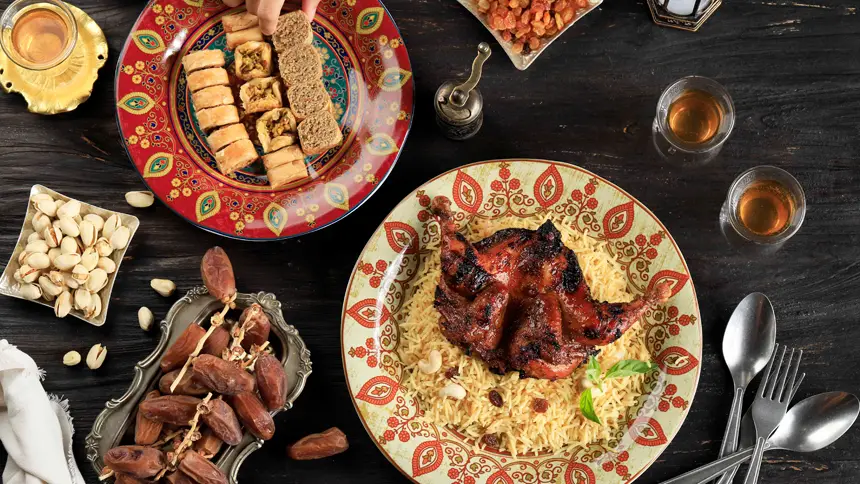
Machboos is a well-known rice-based dish flavoured with aromatic spices such as saffron, cardamom, and dried lemon. It is typically prepared with fish, chicken, or meat, depending on what is available. The rich aroma and balanced seasoning make Machboos a favourite choice for both locals and visitors seeking an authentic Emirati meal.
Luqaimat
Luqaimat are small, sweet dumplings made from flour, sugar, and yeast, then deep-fried until they turn golden and crispy. They are usually drizzled with date syrup or honey, adding a rich sweetness. This dessert is especially popular at street stalls during special events and Ramadan evenings, where it is enjoyed fresh and warm.
Thareed
Thareed is a traditional stew made with meat, vegetables, and thin flatbread. The bread is soaked in the flavourful broth, allowing it to absorb the rich taste of the stew. Often described as Emirati comfort food, Thareed is commonly served during family gatherings and holds a special place in traditional home cooking.
Balaleet
Balaleet is a sweet dish made from vermicelli noodles and topped with eggs, creating a unique blend of flavours. It is commonly enjoyed as a breakfast meal. Prepared with sugar, saffron, and cardamom, Balaleet offers a gentle balance between sweet and savoury tastes, making it a beloved traditional morning dish.
These dishes not only satisfy the appetite but also provide insight into the region’s food traditions and local ingredients.
Popular Emirati Beverages
No culinary experience in Ajman is complete without trying local drinks, which often accompany traditional meals or are enjoyed independently.
- Karak Tea: A spiced tea with strong flavours of cardamom, brewed with evaporated milk and sugar.
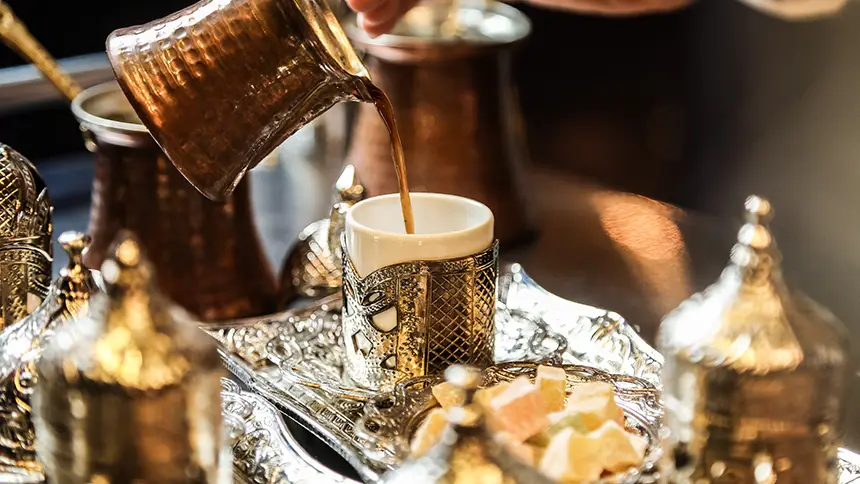
- Qahwa (Arabic Coffee): Served in small cups, often infused with saffron or cardamom.
- Jallab: A refreshing drink made from dates, grape molasses, and rose water, usually served with crushed ice and pine nuts.
- Laban: A cooling yogurt-based drink, perfect for hot afternoons.
These beverages are not only flavourful but also a reflection of hospitality, often offered to guests as a symbol of welcome and respect.
Street Food and Casual Dining
Ajman’s streets are alive with culinary offerings, where locals and visitors can enjoy affordable yet authentic Emirati snacks.
- Shawarma Stalls: A quick bite of marinated meat wrapped in bread with sauces and vegetables.
- Samboosa: Fried or baked pastry filled with spiced meat, cheese, or vegetables.
- Falafel: Chickpea fritters, crunchy on the outside and soft inside, often served with tahini.
- Sweet Stalls: Vendors selling Luqaimat or date-filled pastries attract evening crowds.
Street food culture in Ajman allows travellers to experience flavours in casual settings, often accompanied by lively interactions with friendly vendors.
Fine Dining Experiences
For those seeking a more luxurious culinary journey, Ajman offers fine dining restaurants that combine traditional Emirati dishes with modern twists.
- Al Bait Al Qadeem: Focuses on authentic recipes prepared with fresh local ingredients, set in a traditional ambiance.
- Emirati-themed Resorts: Many resorts in Ajman feature specialty restaurants serving Machboos, Harees, and seafood delicacies.
- Fusion Menus: Some establishments combine local flavours with international cuisines, offering a unique perspective on Emirati food.
Fine dining in Ajman is not just about taste but also about presentation, atmosphere, and the story behind each dish, giving diners a deeper appreciation of culture.
Seafood Specialities
Ajman’s location along the Arabian Gulf ensures fresh seafood is abundant, making it a key component of local cuisine.
- Grilled Hammour: A white fish seasoned with local spices and chargrilled to perfection.
- Shrimp Machboos: Combines rice with juicy, spiced shrimp for a delightful coastal flavour.
- Samak Mashwi: Simple yet flavourful grilled fish, often served with rice and salad.
- Seafood Platters: Many restaurants offer assorted seafood dishes, highlighting the freshness of the Gulf’s catch.
Seafood dishes are an integral part of Emirati culinary traditions, reflecting the importance of coastal living and maritime trade.
Cultural Dining Experiences
Experiencing Emirati cuisine in Ajman is also about immersing oneself in cultural practices surrounding food.
- Majlis Dining: Traditional seating arrangements where guests sit on floor cushions, sharing dishes communally.
- Ramadan Iftar: Special meals at sunset during the holy month, featuring a variety of traditional dishes and sweets.
- Festive Celebrations: Weddings and national holidays often include elaborate feasts showcasing the best of Emirati cooking.
These experiences allow visitors to appreciate not only flavours but also social customs, hospitality, and the sense of community central to Emirati life.
Culinary Workshops and Food Tours
Ajman is promoting culinary education through workshops and food tours that introduce visitors to Emirati cooking. Travellers can join cooking classes, explore spice markets, and enjoy tasting sessions that link dishes to local history. These hands-on experiences help visitors better understand and appreciate Emirati food traditions.
Sustainability and Local Ingredients
Modern Emirati cuisine in Ajman emphasises sustainability through the use of local and seasonal ingredients. Dates, fresh seafood, and traditional spices play an important role, while many restaurants reduce waste and work with nearby farms. This responsible approach supports the environment and preserves authentic food traditions for the future.
Tips for Enjoying Emirati Cuisine in Ajman
To make the most of your culinary journey in Ajman, keep these tips in mind:
- Try Seasonal Dishes: Certain recipes are linked to festivals or specific months; experiencing them enhances authenticity.
- Engage with Locals: Ask chefs or vendors about the history behind dishes.
- Start Small: Sampling a variety of dishes in smaller portions allows you to explore more flavours.
- Pair with Traditional Drinks: Complement meals with Karak tea or Qahwa for a complete experience.
- Visit Local Markets: Ingredients, spices, and sweets from markets offer insight into daily culinary life.
By following these suggestions, visitors can enjoy food experiences beyond simple dining, turning each meal into a meaningful cultural journey.
Conclusion
Ajman offers a rich culinary experience where tradition blends with modern influences, and every dish reflects Emirati heritage and community life. From comforting meals like Harees and Machboos to sweet favourites such as Luqaimat, the city’s food culture showcases authentic local flavours.
Exploring Emirati cuisine in Ajman goes beyond eating, as it allows people to experience local customs, sustainable practices, and warm hospitality. Whether enjoyed at a street stall, a traditional Majlis, or a cooking workshop, these meals create meaningful connections to the region’s history and culture.