In Emirati culture, hospitality is one of the most important values. Guests are always welcomed warmly, and offering food is seen as a sign of respect and kindness. From homes to social gatherings, Emiratis take pride in making visitors feel comfortable and honoured. Hospitality is not just about giving food or drink; it is a way of showing generosity, friendship, and care. Food plays a central role in this tradition. Sharing meals brings people together and strengthens family and community bonds. Traditional Emirati dishes, such as rice with meat, fish, dates, and Arabic coffee, are carefully prepared to reflect the rich history and culture of the region. Even during special occasions like Ramadan or weddings, serving food is a symbol of generosity and celebration. Through hospitality and shared meals, Emiratis express their values, culture, and the spirit of giving that has been passed down for generations.
Traditional Emirati Cuisine
Traditional Emirati cuisine is rich in flavour and reflects the country’s history, geography, and culture. The main ingredients used in Emirati cooking include rice, lamb, chicken, fish, and a variety of spices such as saffron, turmeric, cinnamon, and cardamom. These ingredients are often combined to create hearty and delicious meals that are shared with family, friends, and guests. Seafood is especially popular because the UAE has a long coastline, and fish dishes are considered a staple in many households.
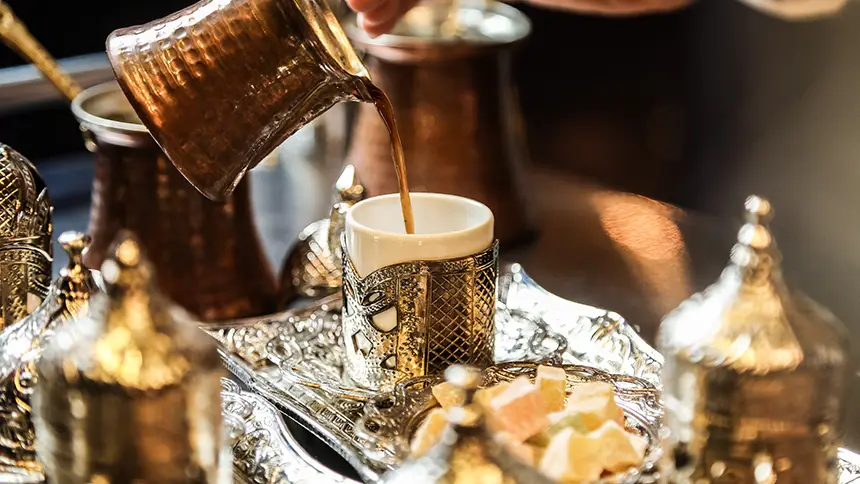
Some of the most famous Emirati dishes include Machboos, a spiced rice dish typically prepared with meat or fish, and Harees, a soft wheat and meat porridge often enjoyed during Ramadan and special occasions. Sweet treats are also important in Emirati cuisine. Luqaimat, small sweet dumplings drizzled with date syrup or honey, and dates served with gahwa (traditional Arabic coffee) are commonly offered to guests as a symbol of hospitality and friendship.
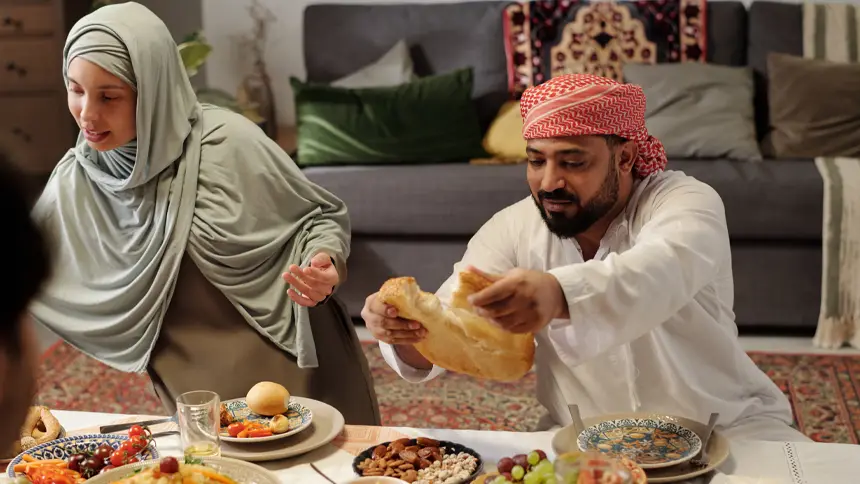
Meals play a very important role in family and community life in the UAE. Families often sit together on large cushions around a communal platter, sharing food and enjoying conversation. During festivals, weddings, and other celebrations, large feasts are prepared to bring communities together. Eating together is not just about filling the stomach; it is about bonding, showing respect, and passing on traditions from one generation to the next. In this way, traditional Emirati cuisine continues to strengthen both family ties and the sense of community.
The Culture of Hospitality
Hospitality is one of the most important values in Emirati culture. Welcoming guests warmly is considered a sign of respect and honour, and it is expected that visitors are treated with kindness and generosity. When someone enters a home, they are often greeted with Arabic coffee, dates, and a smile. This simple gesture shows friendship and makes guests feel comfortable. Hospitality in the UAE is not only for family and friends but also extends to neighbours, colleagues, and even strangers, reflecting the strong cultural emphasis on generosity.
Sharing food is at the heart of Emirati hospitality. Meals are often prepared with care and served to everyone present, no matter how large or small the gathering. Offering food is seen as a way to show respect, build relationships, and celebrate togetherness. Guests are encouraged to eat and enjoy the meal, and it is polite to accept what is offered.
Seating arrangements and communal eating are also important traditions. Families and guests often sit together on large cushions around a low table or a shared platter, allowing everyone to eat from the same dishes. This practice promotes equality and togetherness, as everyone shares the food and the conversation. Through these traditions, hospitality in the UAE is more than just serving meals; it is a way of expressing care, friendship, and community. It is a value that has been passed down for generations and continues to shape Emirati society today.
Festivals and Special Occasions
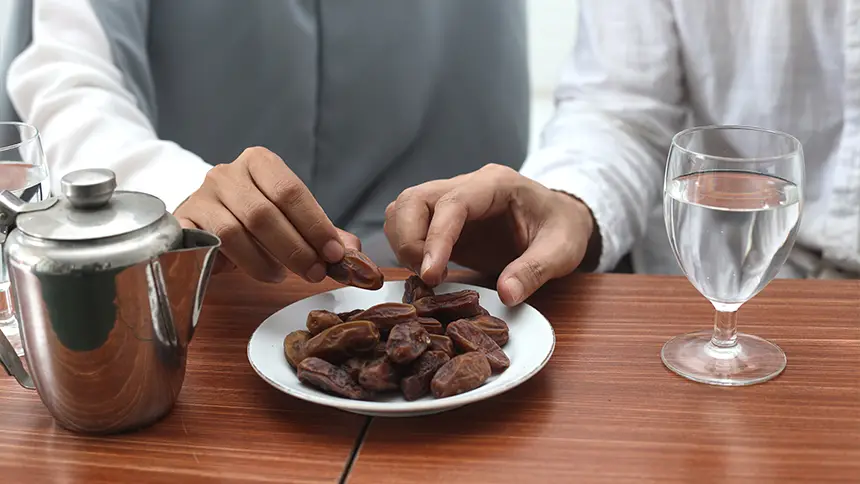
In Emirati culture, festivals and special occasions are celebrated with joy, and food plays a central role in these celebrations. During Ramadan, the holy month of fasting, families come together each evening to break their fast with a meal called Iftar. Traditional dishes, such as Harees and dates, are served along with refreshing drinks and sweets. Sharing food during Ramadan is not only a way to enjoy a meal but also a symbol of generosity and community spirit. Eid, which marks the end of Ramadan, is another important occasion where food is central to celebrations. Families prepare large feasts, inviting relatives and friends to share special dishes and sweets. Traditional Emirati desserts, such as Luqaimat and dates, are offered to guests to show hospitality and happiness during the festival.
Weddings and other celebrations also feature elaborate meals. Emirati families often serve a variety of rice dishes, meat, and fish, alongside salads, breads, and sweets. Preparing and sharing these feasts strengthens family ties and brings communities together. Food at these events is not just nourishment it reflects the culture, history, and values of the UAE. Through festivals and special occasions, Emiratis maintain their cultural identity and pass traditions from one generation to the next. Food acts as a bridge, connecting people, celebrating togetherness, and expressing generosity. In every celebration, the spirit of sharing and hospitality shines brightly, making Emirati culture warm and welcoming.
Hospitality in Modern UAE
In modern UAE, traditional values of hospitality continue to influence daily life, even in restaurants, hotels, and business settings. Emiratis take pride in welcoming guests and ensuring they feel respected and valued. In hotels and restaurants, visitors are often offered a warm greeting, traditional Arabic coffee, and dates, reflecting the same customs that have been passed down for generations. Businesses also follow these traditions, using hospitality as a way to build trust and strong relationships with clients and partners.
Public and cultural events play an important role in celebrating Emirati cuisine and the spirit of sharing. Food festivals, cultural exhibitions, and national celebrations showcase traditional dishes and sweets to both locals and tourists. These events highlight not only the richness of Emirati food but also the generosity and friendliness that are central to the culture. People are encouraged to taste, share, and learn about the customs, keeping traditions alive in a modern context.
Hospitality in the modern UAE acts as a bridge between the past and present. While cities are growing and lifestyles are becoming more global, the values of generosity, sharing, and community continue to shape social life. Even in a fast-paced modern world, Emiratis maintain their customs, using food and hospitality to connect people, celebrate culture, and show respect. This blend of tradition and modernity ensures that Emirati hospitality remains a defining feature of life in the UAE today.
Conclusion
Food and hospitality are at the heart of Emirati culture and reflect the country’s values of generosity, respect, and community. From traditional dishes like Machboos, Harees, and Luqaimat to the sharing of dates and Arabic coffee, meals are more than just food; they are a way to welcome guests and bring people together. Festivals, weddings, and special occasions show how Emiratis celebrate life through large feasts and shared meals, passing traditions from one generation to the next. Even in modern UAE, these customs continue in restaurants, hotels, business settings, and public events, connecting the past with today’s fast-changing world. By experiencing Emirati hospitality, people can understand the culture, traditions, and spirit of sharing that define the nation. Overall, food and hospitality are not only a part of daily life but also a symbol of the warmth, kindness, and unity that make Emirati culture truly special.