The United Arab Emirates has always been a crossroads for tastes from across the world. In recent years, frozen desserts have followed the country’s multicultural path, evolving into inventive hybrid creations that celebrate both tradition and novelty. This article looks at the rise of fusion frozen treats, what drives the trend, and how makers and eaters are shaping the scene.
Why fusion frozen treats are booming
It is booming because the UAE brings together people from many cultures. This mix introduces different sweets, spices and preparation styles, giving makers endless ideas to blend. Easy access to global ingredients and dairy alternatives also encourages experimentation, helping creators push boundaries with flavour and texture.
At the same time, diners look for exciting food experiences that feel memorable and visually appealing. Lower-sugar bases, plant milks and probiotic elements match growing interest in healthier choices. Together, these factors create the perfect environment for new frozen-dessert ideas to grow and succeed.
Styles and source inspirations
Fusion frozen desserts draw ideas from many culinary traditions. Middle Eastern flavours like saffron, rose water, dates and pistachio add warmth and nostalgia, while South Asian touches such as cardamom, kulfi methods and condensed milk bring richness and depth. These elements give makers a strong base of comforting tastes to reinterpret in frozen form.
East Asian influences add balance through matcha, sesame, yuzu and lighter textures, while the Western pâtisserie contributes salted caramel, brown butter and indulgent café-style notes. When these styles come together, the result is a frozen treat that feels both familiar and adventurous, blending heritage with modern creativity.
Techniques that define the trend
Artisans and brands use varied methods to craft hybrid scoops:
- Infusions and macerations: Spices, flowers, and citrus are steeped into creams to transfer delicate aromas.
- Layering and ribbons: Swirls of compote, spiced syrup or crunch layers create textural contrast.
- Nitro and molecular touches: Liquid nitrogen or stabilisers create a unique mouthfeel and theatrical serving.
- Dairy alternatives: Coconut, almond, oat and soya bases allow cross-cultural pairings and cater to dietary needs.
- Fermentation: Yakult-like or yogurt cultures add tang and digestive-friendly benefits.
These approaches let creators balance taste, structure and visual appeal.
Popular flavour mash-ups seen in shops and pop-ups
Below are typical combinations that capture the local palate:
- Saffron–mango ripple with toasted pistachio.
- Rose-hibiscus gelato with crunchy kataifi shards.
- Cardamom–date ripple topped with ghee brittle.
- Matcha and sesame swirl with honeycomb.
- Oat-milk basmati rice pudding frozen dessert with almond praline.
- Yuzu sorbet layered with rose syrup and pomegranate pearls.
Each pairing aims to tell a short story, a memory, a festival, a tea time, within one spoonful.
Presentation and service trends
How a frozen dish appears matters as much as how it tastes:
- Deconstructed bowls: Components are plated separately, so customers combine textures themselves.
- Edible vessels: Cones and cups made from thin baklava sheets, waffles infused with spices, or chocolate-dipped dates.
- Interactive elements: Topping stations, pour-over sauces and tableside finishes invite participation.
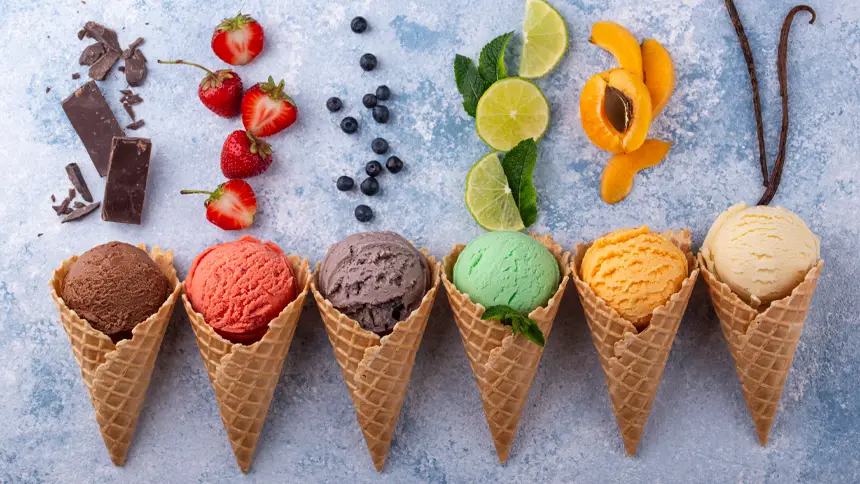
- Instagram-friendly plating: Geometric scoops, colour contrasts and delicate garnishes that photograph well.
Visual creativity transforms a simple serving into an event.
Small businesses and artisanal labs
Many small makers, from home-based startups to boutique labs, play a major role in shaping fusion frozen desserts. They use local produce and speciality imports, release seasonal or festival-inspired flavours, and often work with bakers, chocolatiers or tea houses to create unique combinations. Some even organise tasting events where customers can try experimental batches. These hands-on efforts allow creators to test daring ideas quickly and develop dedicated communities of fans.
Larger brands and mainstream adoption
Major chains and grocery brands have started embracing the fusion trend by launching seasonal flavour lines inspired by global tastes, teaming up with local chefs for co-branded creations, and offering smaller tubs, so customers can try new ideas without much risk. Many are also expanding dairy-free and lower-sugar options to appeal to a wider audience. As these larger players join in, creative flavours become more accessible and adventurous choices gradually feel more familiar to everyday shoppers.
Sustainability and sourcing considerations
Sustainability is becoming a key part of fusion frozen dessert making, with many producers choosing fair-trade spices, reducing waste through composting and smart use of leftovers, and switching to recyclable or compostable packaging. Many also prioritise regional fruit to lower transport impact. These steps appeal to eco-minded customers and show a wider commitment to responsible hospitality.
Health, regulation and transparency
Customers expect clarity about ingredients and nutrition. Makers respond by:
- Listing allergens and sugar content clearly.
- Offering natural colourants and limiting artificial stabilisers.
- Labelling plant-based options and clarifying cross-contact risks.
- Partnering with labs for microbial safety, especially when using raw elements.
Clear information builds trust and supports informed choices.
How home cooks can try fusion at home
Home cooks can explore fusion frozen desserts by starting with simple steps, such as infusing cream with spices like cardamom or cinnamon, swirling a fruit compote into a softened base, or adding small frozen molds of flavoured milk for extra depth. Coconut milk works well for tropical-style blends, while crushed biscuits, roasted nuts or candied peel can add texture and crunch. These easy experiments make it fun to discover unique flavour combinations without much effort or risk.
Challenges and future directions
The fusion frozen dessert scene still faces challenges, such as finding the right balance between novelty and comfort, managing high costs for specialty ingredients, and maintaining consistent texture when scaling up small-batch recipes. Makers must also navigate strict import and food-safety rules that shape what they can use. Even with these hurdles, the future looks lively, with improved plant-based textures, regionally inspired limited releases, and creative formats like frozen sandwiches, ice-cream teas, and savory-sweet collaborations set to grow in popularity.
Conclusion
In the Emirates, makers are blending local and global ideas to create new frozen treats. These hybrids mix spices, fruits and textures from many places. Small shops test daring combos and big brands bring winners to more people. Chefs pay attention to health, ethics and the planet while making tasty scoops. If you like trying new things, this scene gives many chances to taste something surprising. Try a spoonful, and you might find a flavour that tells a story about culture, craft and creativity.