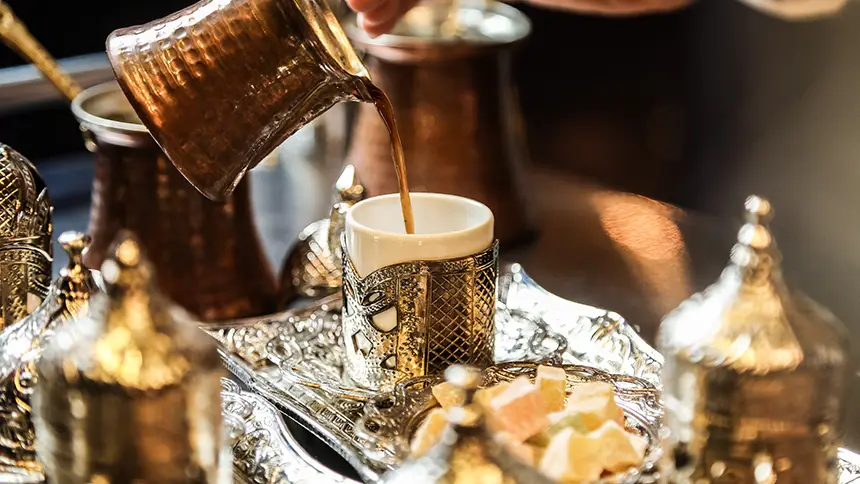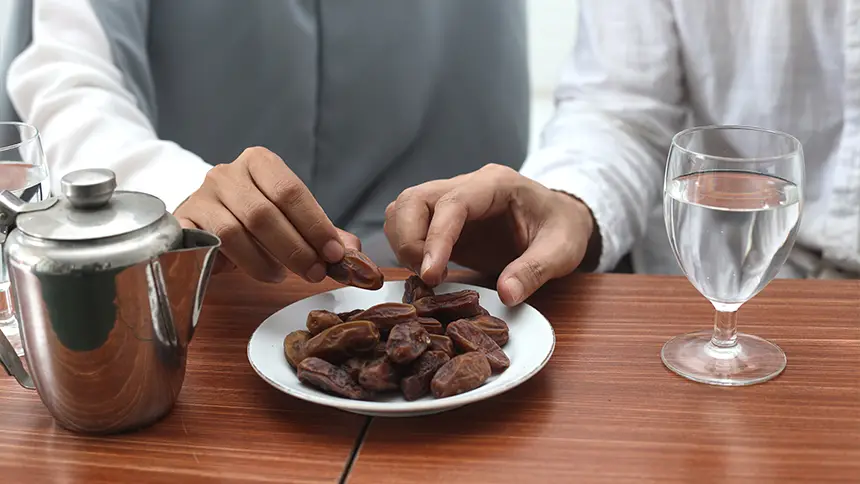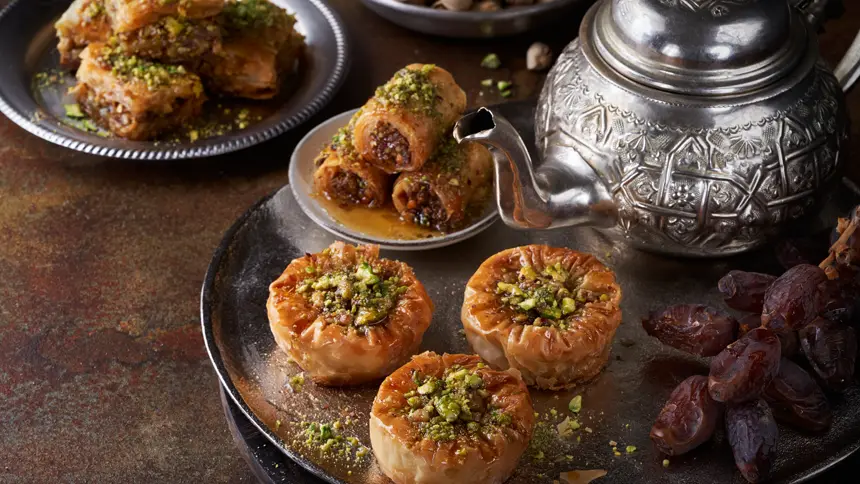
Emirati cuisine is an important part of the cultural identity of the United Arab Emirates, reflecting the traditions, lifestyle, and hospitality of its people. Over the years, the cuisine has been shaped by Bedouin heritage, desert living, and trade with neighbouring regions, creating dishes that are rich in flavour and meaning. Desserts hold a very special place in Emirati culture, as they are often served during celebrations, family gatherings, and festive occasions such as Ramadan and Eid. Offering sweets to guests is seen as a sign of respect and generosity, showing warmth and kindness to everyone who visits. Many of these desserts are made using traditional ingredients that have been loved for generations, including dates, saffron, cardamom, rose water, and honey. These flavours give Emirati desserts their unique aroma and taste, making them an unforgettable part of the country’s culinary heritage.
Luqaimat — The Iconic Emirati Dessert
Luqaimat is one of the most iconic and well-loved Emirati desserts, enjoyed by people of all ages across the United Arab Emirates. These small, round dumplings are deep-fried until they become golden and crisp on the outside, while remaining soft and fluffy on the inside. The key ingredients used to make luqaimat include flour, yeast, sugar, milk, and a little cardamom to add a warm, delicate flavour. After frying, the dumplings are traditionally drizzled with date syrup, known as dibs, or honey, and often sprinkled with sesame seeds for extra texture and taste.
The flavour profile of luqaimat is sweet, rich, and slightly fragrant, making it both comforting and delicious. Beyond its taste, luqaimat carries strong cultural associations in Emirati life. It is especially popular during Ramadan, when families prepare large batches to share with neighbours and guests after breaking the fast. Serving luqaimat during gatherings also represents hospitality, generosity, and the joy of welcoming others. For many locals, the dessert is not only a treat but also a symbol of togetherness and tradition.
Balaleet — A Sweet and Savoury Delight
Balaleet is one of the most unique and memorable traditional desserts in Emirati cuisine, known for its special combination of sweet and savoury flavours. It is made using fine vermicelli noodles that are cooked with sugar, cardamom, saffron, and sometimes rose water to create a fragrant and slightly sweet base. What makes balaleet distinctive is the thin savoury omelette placed on top of the noodles, creating a delicious contrast between the two different tastes. The balance of sweetness and saltiness gives the dish a comforting and enjoyable flavour profile that many people love.
Balaleet is usually served for breakfast, especially on weekends or during holidays when families come together to share a relaxed morning meal. It is also popular during special occasions and celebrations such as Eid, when people prepare traditional dishes to honour their heritage. For many Emiratis, balaleet brings a sense of nostalgia because it reminds them of family traditions and the joy of eating together. Today, it remains a beloved dish that showcases the creativity and richness of Emirati cooking.
Other Popular Traditional Desserts
Khabeesa
Khabeesa is a traditional Emirati dessert that has been enjoyed for generations and is known for its warm, comforting taste. It is made using roasted flour, sugar or date molasses, ghee, saffron, and cardamom, which give it a soft texture and fragrant flavour. Sometimes it is topped with nuts or coconut to add extra taste and decoration. Khabeesa is often prepared during family gatherings and cultural celebrations, especially in the winter season when warm desserts are most appreciated. For many families, making khabeesa is more than just cooking; it is a way of continuing old traditions and creating memories together. It is a dessert that reminds people of home, hospitality, and the importance of sharing food, which makes it culturally meaningful in Emirati society.
Umm Ali
Umm Ali is a popular dessert across the Middle East and has also become a beloved sweet in the United Arab Emirates. Although it originally comes from Egypt, locals have warmly adopted it into their own cuisine, and it is now enjoyed in many homes throughout the country. Umm Ali is a creamy bread pudding made with puff pastry, milk, sugar, nuts, and raisins, baked until soft, warm, and comforting. Because of its rich and festive taste, it is commonly served in hotels, Ramadan tents, and at family gatherings during special occasions. Many people appreciate its simplicity and flavour, and it has become a traditional dish that brings people together. Its presence on dining tables reflects both cultural exchange and the region’s love for sweet, comforting desserts.
Chebab
Chebab is often described as the national version of pancakes, but it has its own special character and flavour. These soft and fluffy pancakes are made with flour, yeast, eggs, and flavoured with saffron and cardamom, giving them a beautiful aroma and golden colour. Chebab is usually served for breakfast or as an evening snack, making it a favourite among both children and adults. Typical toppings include date syrup, honey, or cream cheese, which add sweetness and make each bite delicious and satisfying. Sometimes people enjoy them with tea or karak, creating a perfect traditional pairing. Beyond its taste, chebab reflects the warmth of Arabian hospitality, as it is often prepared for guests and shared with family members. It is a simple yet meaningful dish that continues to be loved in everyday life.
Cultural Importance of Emirati Desserts
Traditional sweets hold a deep cultural significance in the United Arab Emirates, representing hospitality, generosity, and family bonding. In Emirati society, offering desserts to guests is seen as a warm and respectful gesture, showing kindness and care to everyone who visits. Desserts play a major role during Ramadan, Eid, and other celebrations, where families prepare and share special dishes to mark meaningful occasions. During Ramadan, sweets such as luqaimat and Umm Ali are often enjoyed after breaking the fast, bringing families together around the dining table. On Eid and festive days, desserts are prepared to welcome relatives, neighbours, and friends. Many recipes have been passed down from one generation to the next, allowing children to learn from elders and continue traditional practices. These dishes are more than just food — they are a way of preserving heritage, strengthening relationships, and celebrating the Gulf way of life.
Conclusion
Traditional desserts play an important role in expressing the rich culture and values of the United Arab Emirates. From the crispy sweetness of luqaimat to the unique sweet-and-savoury flavour of balaleet, and the comforting tastes of khabeesa, Umm Ali, and chebab, each dish reflects the warmth, hospitality, and traditions of the Emirati people. These sweets are not only delicious, but they also hold deep meaning during Ramadan, Eid, and family celebrations, where they bring loved ones together and strengthen community bonds. Recipes passed down through generations help preserve heritage and keep traditions alive in modern times. For anyone visiting or living in the UAE, trying these desserts is a wonderful way to experience the country’s culture and hospitality. They offer a memorable taste of Arab life, making the culinary journey truly special and meaningful.