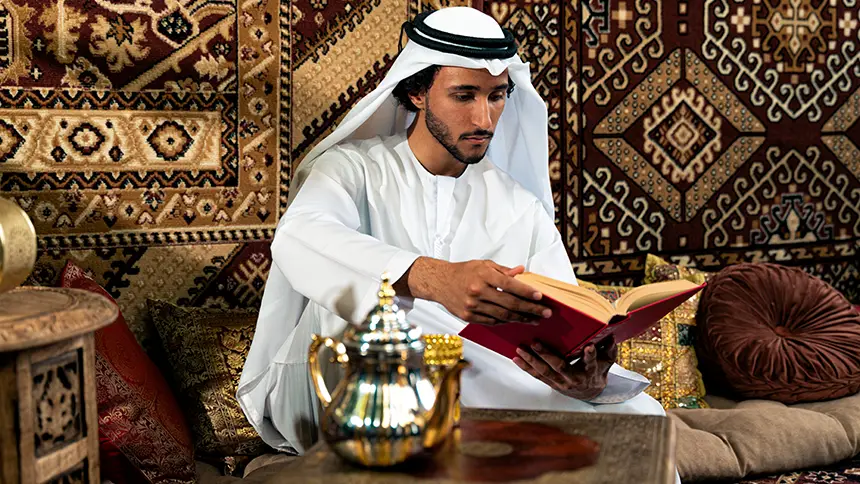
Sharjah, widely recognised as the cultural capital of the United Arab Emirates, is also taking important steps to promote an environmentally responsible lifestyle. While the emirate proudly preserves its rich heritage, Islamic values, and traditional way of life, it also encourages sustainable living to protect nature. This city supports green urban planning, renewable energy use, and environmental education as part of its long-term development goals. Projects such as the Sustainable City project show how modern communities can reduce pollution, save energy, and conserve water. The government actively promotes recycling, responsible waste management, and the use of eco-friendly transport to reduce carbon emissions. Schools, families, and communities are encouraged to take part in environmental awareness programmes and clean-up campaigns. An environmentally responsible lifestyle in the emirate focuses on balancing cultural values with sustainable practices, helping to protect natural resources, improve quality of life, and ensure a cleaner, healthier future for coming generations.
Government Commitment to Sustainability
The local government plays a vital role in promoting environmental sustainability and responsible living across the region. It strongly supports the use of renewable energy, such as solar power, and encourages clean technologies to reduce harm to the environment. Government policies focus on reducing waste, controlling pollution, and lowering carbon emissions to protect natural resources. Authorities also work closely with environmental organisations like BEEAH to improve waste management, recycling systems, and eco-friendly infrastructure.
These initiatives are aligned with national goals such as the UAE Vision 2030 and the Net Zero 2050 strategy, which aim to create a sustainable and low-carbon future. Through strict regulations, public awareness campaigns, and green development projects, the government motivates both individuals and businesses to adopt eco-friendly practices. As a result, the emirate continues to grow as a modern city while protecting the environment for future generations.
Sharjah Sustainable City: A Green Living Model
The Sustainable City is a leading example of eco-friendly urban development and a model for environmentally responsible living in the United Arab Emirates. This planned community is designed to reduce environmental impact while providing a comfortable, modern lifestyle. The homes in this green development are powered by solar energy, which helps reduce electricity consumption and lowers carbon emissions. Advanced water recycling systems are used to treat and reuse wastewater for irrigation, helping to conserve one of the UAE’s most valuable natural resources.
The area also includes wide green spaces, parks, and walking paths that improve air quality and encourage healthy outdoor activities. Waste reduction, recycling programmes, and energy-efficient building designs further support sustainability. By combining modern technology with environmentally friendly planning, the project shows how people can live sustainably without sacrificing comfort, making it a strong example of green living for future urban developments.
Responsible Waste Management and Recycling
Responsible waste management and recycling play an important role in promoting sustainable living in the emirate. The city encourages waste segregation at homes, schools, and public places to make recycling more effective. Separate bins for plastic, paper, metal, and general waste help reduce the amount of rubbish sent to landfills. Local authorities have introduced recycling programmes in partnership with environmental organisations such as BEEAH to support proper waste collection and treatment.
Efforts are also being made to reduce the use of single-use plastics by promoting reusable bags, bottles, and eco-friendly packaging. These initiatives help lower pollution, conserve natural resources, and protect soil and marine life. Public awareness campaigns and school programmes teach residents about the importance of reducing, reusing, and recycling waste. By managing waste responsibly, the emirate is working towards a cleaner environment and a healthier future for present and future generations.
Energy Conservation in Daily Life
Energy conservation in daily life is strongly encouraged in the region to support environmental sustainability and reduce carbon emissions. Homes, schools, and offices are advised to use LED lights and energy-efficient appliances, which consume less electricity and last longer than traditional options. Limiting excessive use of air-conditioning is also important, as cooling systems account for a large amount of energy consumption in the UAE’s hot climate. Setting air-conditioners to moderate temperatures and using natural ventilation when possible can help save energy.
People are encouraged to switch off lights, fans, and electronic devices when they are not in use to prevent unnecessary power wastage. Government awareness campaigns and sustainability programmes highlight how small daily actions can lead to significant energy savings. By conserving energy, residents of the emirate not only lower electricity costs but also help protect the environment and support local long-term sustainability goals.
Water Conservation Practices
Water conservation practices are extremely important in the city, as water is a valuable and limited resource in the United Arab Emirates. Residents are encouraged to use water responsibly in homes, schools, and public places. Installing low-flow taps and showers helps reduce water consumption without affecting daily comfort. People are also advised to avoid water wastage during activities such as cleaning cars, washing floors, and brushing teeth.
Officials promote the reuse of treated wastewater for gardening, landscaping, and public parks, which reduces the demand for fresh water. Government initiatives and awareness campaigns educate the public about smart water usage and the importance of conservation in a desert climate. Modern buildings are designed with water-efficient systems to support sustainability. By practising water conservation, locals help protect natural resources, reduce environmental stress, and ensure that clean water remains available for future generations.
Eco-Friendly Transportation Choices
Eco-friendly transportation choices play an important role in reducing air pollution and promoting sustainable living in the emirate. Local authorities encourage residents to use public buses and shared transport systems, which help lower the number of private vehicles on the roads. Walking and cycling are also promoted, especially for short distances, as they are healthy, cost-effective, and environmentally friendly options. The city has introduced low-emission and fuel-efficient vehicles as part of its efforts to reduce carbon emissions and improve air quality.
The development of better road networks and pedestrian-friendly areas further supports sustainable transport. By choosing eco-friendly transportation, residents help reduce traffic congestion, noise pollution, and harmful greenhouse gases. These practices also support the UAE’s long-term environmental goals. Sustainable transport choices not only protect the environment but also contribute to a cleaner, safer, and healthier lifestyle for everyone in the region.
Environmental Awareness and Community Participation
Environmental awareness and community participation play a vital role in protecting the environment in the emirate. Schools place strong importance on environmental education, where students learn about sustainability, recycling, and responsible use of natural resources from an early age. Community clean-up drives, tree-planting activities, and environmental campaigns encourage residents to actively take part in keeping public spaces clean and green. Organisations also organise workshops, exhibitions, and awareness programmes in partnership with environmental organisations to educate people about climate change, waste reduction, and conservation.
These activities help residents understand how their daily actions affect the environment. When communities work together, sustainable living becomes a shared responsibility rather than an individual effort. By promoting awareness and encouraging participation, the community is building an environmentally responsible society that supports long-term sustainability and a healthier future for all generations.
Conclusion
An environmentally responsible lifestyle in the emirate clearly reflects its strong commitment to sustainability while preserving cultural values and traditions. By conserving energy and water, practising responsible waste management, choosing eco-friendly transportation, and actively participating in community initiatives, residents can play an important role in protecting the environment. Government support, sustainable city projects, and public awareness programmes further encourage green living across the region. This area successfully demonstrates that modern development and environmental protection can work together in harmony. These efforts not only reduce pollution and protect natural resources but also improve the quality of life for residents. By continuing to promote sustainable practices, the emirate is creating a cleaner, healthier, and more sustainable future for present and future generations.