Henna art, also known as Mehndi, is more than just decoration, it is a symbol of beauty, culture, and tradition. For centuries, women across the Middle East, South Asia, and Africa have used mehndi to celebrate special occasions and express their heritage. In the United Arab Emirates (UAE), it holds a special place in daily life as well as in festive celebrations. From weddings and Eid gatherings to cultural festivals and tourist experiences, this is a living tradition that continues to shape the UAE’s lifestyle.
The Cultural Roots of Henna in the UAE
It has been part of Emirati life for generations, carrying both practical and symbolic value. The plant-based dye comes from the powdered leaves of the Lawsonia plant, which is mixed with water, lemon juice, or essential oils to form a paste. Once applied to the skin, the paste leaves a natural stain ranging from orange to deep brown.
Historical Significance
- Ancient Use: Historically, mehndi was used in the desert climate of the UAE as a natural cooling agent, applied to the hands and feet to lower body temperature.
- Protective Symbol: It was believed to protect against evil spirits and bring blessings.
- Community Bonding: Mehndi sessions were social events where women gathered, shared stories, and strengthened bonds.
Traditional Designs
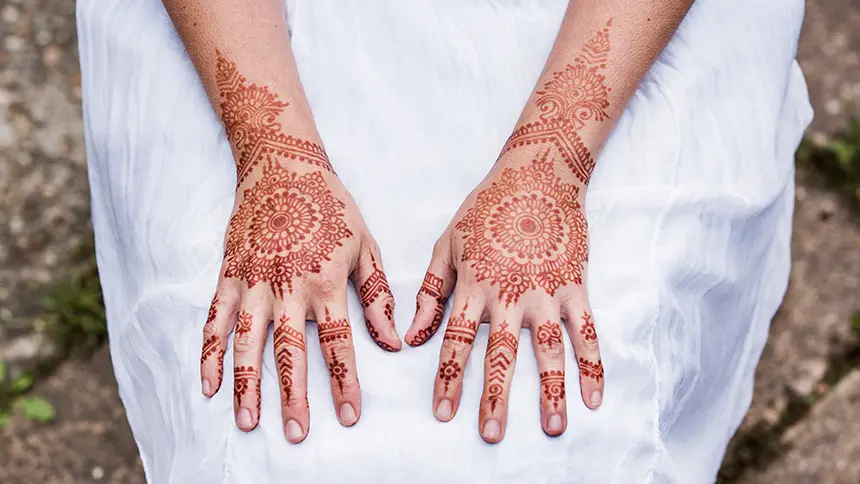
Traditional Emirati henna art is unique compared to other regions. The designs are often bold, simple, and floral, covering fingertips, palms, and the back of hands. Unlike Indian mehndi, which tends to be intricate and detailed, Emirati mehndi patterns highlight elegance and clarity.
Henna in the UAE Lifestyle Today
In the modern UAE, mehndi continues to thrive as both a cultural practice and a lifestyle choice. It has moved beyond just tradition to become a symbol of identity, fashion, and tourism.
Special Occasions
Plant-based dye plays an essential role in Emirati celebrations, particularly:
Weddings
In the UAE, it plays a vital role in weddings, especially during the mehndi Night, which is one of the most important pre-wedding rituals for Emirati brides. On this special evening, the bride’s hands and feet are beautifully decorated with intricate mehndi designs by friends and family. The gathering is filled with music, laughter, and blessings, symbolizing love, happiness, and a prosperous married life. It is not only a beauty ritual but also a joyful celebration that strengthens family bonds and marks the beginning of a new chapter for the bride.
Eid Celebrations
During Eid, this plant-based dye becomes an essential part of the festive traditions in the UAE. Women and children adorn their hands with fresh designs that enhance their overall look, complementing new clothes, perfumes, and jewelry. The process of applying mehndi in the days before Eid adds to the excitement, creating a sense of anticipation for the celebrations. For many families, gathering to apply henna together is just as important as the festival itself, as it symbolizes joy, renewal, and shared happiness.
National Day & Cultural Festivals
Henna is also highlighted during national and cultural celebrations across the country. On occasions such as UAE National Day, Global Village events, and heritage festivals, both residents and tourists enjoy experiencing mehndi art as part of the festivities. It is often offered at cultural stalls and heritage corners, allowing visitors to connect with Emirati traditions firsthand. In these settings, it becomes more than a personal beauty practice, it serves as a cultural expression that showcases the UAE’s heritage to the world while celebrating national pride and identity.
Everyday Lifestyle
Henna is not limited to major events. Many Emirati women still apply simple designs on their hands and feet as part of their beauty routine. It is seen as a natural alternative to chemical cosmetics and nail polish.
- Beauty & Self-Expression: Mehndi is often applied weekly by women to express femininity and elegance.
- Cultural Identity: Applying this traditional dye keeps younger generations connected to Emirati heritage in a rapidly modernizing society.
- Tourism Attraction: Tourists visiting the UAE often try henna at cultural centers, desert safaris, or spas, making it part of the country’s lifestyle branding.
Modern Trends and Henna Art in Fashion
Mehndi art in the UAE has expanded beyond tradition and is now part of fashion and global lifestyle trends.
Innovative Designs
- While traditional floral and geometric styles remain popular, modern artists experiment with:
- White Henna: A cosmetic paste that creates white designs, giving a contemporary and elegant look.
- Glitter & Gems: Mixing mehndi with glitter and stones for festive or party occasions.
- Minimalist Styles: Thin, delicate lines inspired by tattoos, popular with young women.
Henna and Tourism
In Dubai and Abu Dhabi, henna is an essential part of cultural tourism. Desert safari packages often include mehndi sessions where visitors can experience authentic Emirati culture. Hotels, spas, and cultural centers also offer this as a service, promoting it as a natural beauty therapy.
Global Influence
With the UAE being an international hub, Henna has reached global runways and social media platforms. Fashion bloggers, influencers, and designers often showcase mehndi designs, blending heritage with modern beauty trends.
The Significance of Henna in Emirati Lifestyle
Henna in the UAE is much more than simple body decoration; it is a reflection of values, traditions, and lifestyle. It is always associated with joy, marking moments of celebration such as weddings, Eid, and cultural festivals. For many Emirati families, it also represents a generational link, as grandmothers and mothers pass down the art to their daughters, keeping cultural knowledge alive through practice. Beyond its beauty, it carries a spiritual aspect, as some believe it brings blessings, positivity, and protection during life-changing events like marriage. At the same time, it continues to be valued as a form of natural beauty, standing out as an eco-friendly, plant-based alternative in a world filled with chemical cosmetics.
Challenges and Adaptations
While this plant-based dye remains popular, it faces challenges in the UAE’s fast-paced, globalized lifestyle.
- Chemical Alternatives: Some markets sell chemical-based cones that are quicker but can cause skin reactions, reducing trust in authentic henna.
- Modern Beauty Trends: Nail art, tattoos, and western cosmetics sometimes overshadow mehndi among younger generations.
- Commercialization: Some feel it is losing its sacred meaning as it becomes more of a tourist attraction.
Despite these challenges, several efforts are being made to preserve authentic mehndi art in the UAE. Cultural festivals continue to highlight traditional henna styles, ensuring that heritage is celebrated and passed on to future generations. Many beauty salons now offer organic mehndi services, giving women a safe and natural option while keeping the tradition alive in modern settings. At the same time, social media campaigns play an important role in promoting their heritage among young people, inspiring younger generations to embrace this cultural practice as part of their lifestyle and identity.
Conclusion
Henna art is much more than a temporary design, it is a timeless expression of culture, tradition, and beauty. In the UAE, it continues to be woven into everyday lifestyle, weddings, and celebrations. It connects the younger generation with their heritage while also attracting tourists who wish to experience Emirati traditions.
What makes henna special is its ability to adapt. From ancient cooling remedies to modern fashion statements, it reflects both the history and the evolving lifestyle of the UAE. This is not just decoration, it is a living tradition that colors the UAE’s culture with beauty and meaning.