Etihad Museum is one of the most meaningful cultural landmarks in Dubai. It stands on the historic grounds where the rulers of the Emirates signed the agreement that created the United Arab Emirates in 1971. Today, the museum offers visitors a chance to explore the nation’s journey, understand the struggles that shaped its modern identity, and appreciate the unity that continues to guide its development. With interactive galleries, original documents, personal belongings of the founding leaders, and multimedia displays, Etihad Museum blends history with technology in a way that attracts travellers of all ages.
Introduction to Etihad Museum
It is located at Union House on Jumeirah Street in Dubai, facing the coastline. This site is one of the most important places in the nation’s modern history because it is where the agreement forming the UAE was officially signed on December 2, 1971. The museum honours this moment by preserving both the building and the story behind it.
Visitors come here to learn how the seven Emirates came together, how the leaders shaped a new chapter for the region, and how unity transformed the future of the country. The museum makes these events easy to understand through models, maps, films, and interactive screens. Even those who are not familiar with the UAE’s past can follow the journey clearly, because the displays use simple explanations and visual storytelling.
Architectural Design and Concept
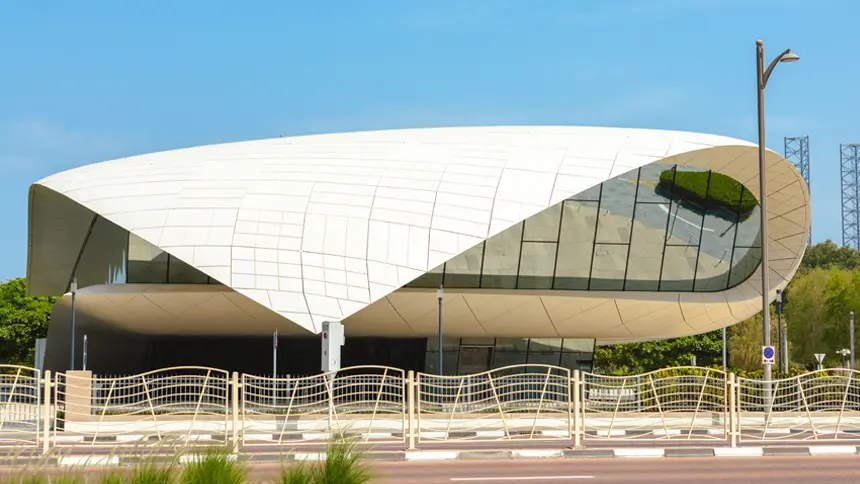
The building itself is a work of art. Inspired by the shape of a manuscript, the museum’s exterior represents the document that gave birth to the UAE. Its steel structure and white curves symbolise heritage blended with modern innovation. Large glass windows represent openness, transparency, and hope—the same values that guided the founders during their discussions about unity.
Key elements of the structure
- Manuscript shape: Represents the signing of the union agreement.
- Seven golden pillars: Symbolise the seven Emirates that joined hands.
- Reflective surfaces: Create a link between past, present, and future.
- Landscaped surroundings: Provide a calm atmosphere for reflection.
- Underground galleries: Emphasise the idea of digging into history to uncover the roots of the nation.
By walking around the building, visitors can feel how design and storytelling come together to celebrate the UAE’s origin.
Historical Background: Before the Union
The museum presents a clear picture of life in the Emirates before 1971, showing how tribal ties, early leadership, coastal and desert lifestyles, and traditional activities like pearl diving shaped daily life. It also explains regional influences, trade connections, and the impact of British agreements during the early 20th century. Through large screens, short films, and highlighted dates, visitors can easily understand the challenges of that time and why unity became essential for the future.
Formation of the Union
This section highlights how the UAE’s founding leaders worked together to build a united nation, showing their discussions, negotiations, and the gradual involvement of all seven Emirates. It explains the diplomatic efforts that shaped a stable structure, the historic signing at Union House, and the guiding role of Sheikh Zayed bin Sultan Al Nahyan. With life-size photos, recreated meeting rooms, and audio recordings of key moments, the museum brings this important chapter to life in an engaging and memorable way.
Union House: The Birthplace of the Nation
Union House, the original site of the 1971 declaration, is carefully preserved, so visitors can stand in the very room where the UAE was formed. Inside, they can view the actual table and chairs used during the signing, along with flags, seals, documents, and photographs from that historic day, as well as the restored flagpole where the national flag was first raised. This peaceful and meaningful space often becomes the most emotional part of the visit, offering a powerful connection to one of the nation’s most important moments.
Galleries and Exhibits
Etihad Museum uses modern technology to make every section interactive. Instead of simply reading information, visitors can explore, listen, and watch.
Main gallery themes
- Founders Gallery: Stories of the leaders, their personal journeys, and their shared vision.
- Political Development: Explanation of how the government was built, including the constitution.
- Social Growth: Education, healthcare, and community initiatives during the early years.
- Economic Expansion: The shift from traditional industries to modern sectors like energy and commerce.
- Future Vision: The country’s goals for innovation, culture, and sustainability.
Interactive activities include
- Touch screens that display maps and documents
- Audio stations with recorded speeches
- Archival footage showing the transformation of the country
- 3D models of early infrastructure projects
- Digital archives of letters, agreements, and photographs
These features make the museum enjoyable for both adults and children.
The Founding Leaders: Honouring Their Legacy
This section of the museum honours the founding leaders by sharing their personal journeys, from their early lives to their crucial roles in shaping the nation. It highlights their values of wisdom, patience, and cooperation, and displays meaningful items such as traditional clothing and handwritten notes. Short documentaries and messages focused on unity, vision, and public service help visitors understand their lasting impact. By the end, guests gain a deeper appreciation for the dedication and leadership that guided the creation of the UAE.
Cultural and Social Transformation
This section shows how the UAE evolved after the union, highlighting the nation’s steady progress in education, healthcare, culture, and community development. It explains the rise of modern schools, improved medical services, strong family values, and the growth of arts, literature, and traditional crafts. It also emphasises how festivals and heritage programs helped preserve cultural identity. Through clear and engaging displays, the museum demonstrates how the country balanced tradition with modern life during its remarkable transformation.
Visitor Experience and Facilities
Etihad Museum offers a smooth and comfortable experience for all guests. The layout is clear, the signs are easy to follow, and the staff members are welcoming.
Features available for visitors
- Guided tours offering deep insight into each gallery
- Audio guides in multiple languages
- A library that contains rare books and documents
- A gift shop with books, souvenirs, and cultural items
- A café overlooking the landscaped courtyard
- Wheelchair-friendly paths and accessible facilities
Families, students, historians, and tourists all find something meaningful here. Many visitors spend two to three hours exploring the galleries because each section is filled with interesting content.
Educational Value
The museum has strong educational value, attracting schools and universities because it presents the story of the UAE’s formation in a clear and engaging way. Through workshops, exhibitions on national symbols, storytelling for young children, quizzes, and digital activities, students learn about leadership, unity, and national identity. With additional resources for teachers and researchers, the museum serves not just as a tourist spot but as an important centre for learning and understanding the country’s heritage.
Conclusion
Etihad Museum is more than a collection of objects; it is a living tribute to the unity that shaped the UAE. Through interactive galleries, original documents, and preserved historic spaces, the museum guides visitors through the journey of how seven Emirates joined together to form a strong and modern nation. Its simple storytelling, advanced technology, and well-designed exhibits make it an excellent destination for tourists seeking cultural understanding. A visit to this place offers not only knowledge, but also inspiration, showing how cooperation and vision can transform a region and create a bright future for generations.