Ras Al-Khaimah, the northernmost emirate of the United Arab Emirates, is a fascinating destination for history lovers and culture enthusiasts. Known for its strategic location between the Arabian Gulf and the Hajar Mountains, it has been inhabited for thousands of years, with evidence of settlements dating back to the Bronze Age. The region was once a centre for trade, fishing, and pearling, and its many forts and watchtowers were built to protect communities from invaders and pirates. Famous historical sites such as Dhayah Fort, Al Falayah Fort, and the National Museum showcase the emirate’s rich heritage and architectural ingenuity. Visitors can also explore ancient villages like Al Jazirah Al Hamra and archaeological sites at Julfar and Shimal, which reveal early Islamic and pre-Islamic history. Today, this historical area offers a unique blend of scenic beauty and cultural treasures, making it a must-visit cultural hotspot in the UAE.
Why Ras Al-Khaimah Is Historically Important
Ras Al-Khaimah is one of the most historically significant emirates of the United Arab Emirates, with a heritage that stretches back thousands of years. Its strategic location between the Hajar Mountains, the Arabian Gulf, and vast desert areas made the northern UAE emirate an important centre for trade, pearling, and maritime activities. Archaeological evidence shows ancient settlements dating back to the Bronze Age, highlighting the region’s early civilisation and advanced communities.
The emirate was also home to vital maritime trade routes connecting the Gulf with Mesopotamia, India, and East Africa, making the region a hub for merchants and sailors. To protect these settlements and trade centres, numerous forts, watchtowers, and defensive structures were built, including the famous Dhayah and Al Falayah forts. Traditional villages such as Al Jazirah Al Hamra preserve the lifestyle of early Emiratis, reflecting their culture, social customs, and economic activities. This historical area’s rich history makes it a key destination for learning about the UAE’s past.
Famous Forts of Ras Al-Khaimah
Dhayah Fort
Dhayah Fort is one of the most famous and historically important landmarks in the emirate. Perched on a hilltop, it offers breathtaking panoramic views of the surrounding mountains, date palm farms, and desert landscapes. Built using traditional mud bricks and stone, the fort served as a strong defensive structure and played a key role in protecting the region during the 19th century. It is especially famous as the last hilltop fort in the UAE to resist British forces during their 1819 campaign. Today, Dhayah Fort is a popular tourist attraction, allowing visitors to explore Emirati history and traditional military architecture.
National Museum of Ras Al-Khaimah
The National Museum, originally a royal residence and fort, is now the emirate’s main museum and a key cultural landmark. It houses a wide range of archaeological finds and historical artefacts that reveal the rich history of the northern UAE emirate. Visitors can see traditional weapons, ancient documents, and items used in daily life, offering a glimpse into the customs and traditions of past generations. The museum helps people understand the region’s journey from ancient settlements to modern times, making it an important destination for anyone interested in Emirati history, culture, and heritage.
Al Falayah Fort
Al Falayah Fort is one of the historically significant forts in the emirate, known for its political and cultural importance in the UAE. It once served as the summer residence of the ruling Al Qasimi family and played a key role in early regional governance. The fort was the location where important agreements were signed that helped shape the political structure of the area. Built using traditional Emirati architecture with thick walls and defensive features, Al Falayah Fort reflects the strategic design of historic forts. Today, it remains an important heritage site, offering visitors a glimpse into the history and culture of this historical area.
Other Important Historical Sites
Al Jazirah Al Hamra
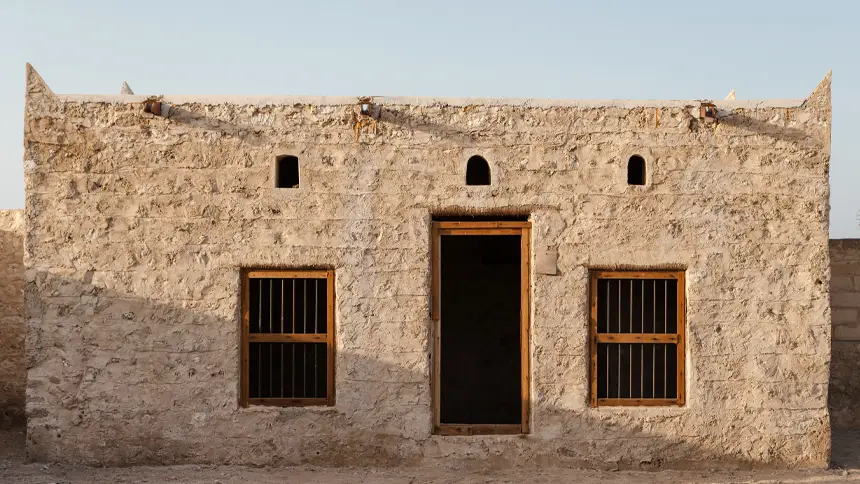
Al Jazirah Al Hamra is a beautifully preserved traditional pearl-fishing village in the emirate, offering a unique glimpse into the region’s maritime heritage. The village is famous for its coral-stone houses, narrow streets, and old mosques, which showcase the traditional architecture and community life of the area. Before the discovery of oil, residents depended on pearling, fishing, and trade, making Al Jazirah Al Hamra an important coastal settlement. Today, it provides visitors with a chance to explore the lifestyle, culture, and history of early Emiratis. The village is an essential destination for anyone interested in the northern UAE emirate’s historical and cultural legacy.
Julfar and Shimal Archaeological Areas
The Julfar and Shimal archaeological areas reveal the deep roots of civilization in the region. Julfar was once a thriving trading centre, connecting the area with Mesopotamia, India, and East Africa, while Shimal contains ancient tombs from early Islamic and pre-Islamic periods. These sites provide evidence of long-distance trade, settlement patterns, and advanced community life in the emirate thousands of years ago. Visitors can explore the remains of buildings, forts, and burial sites, gaining insight into the economic, social, and cultural history of this historical area. Together, Julfar and Shimal are vital for understanding the northern UAE emirate’s rich historical heritage.
Architectural and Cultural Significance
The forts and historical sites are not only important landmarks but also excellent examples of traditional Emirati architecture and culture. Most forts were built using locally available materials such as mud bricks, coral stone, and palm wood, which were well-suited to the hot and arid climate. Their strategic locations on hilltops, near trade routes, or along the coast allowed them to serve as watchtowers and defensive strongholds, protecting communities from invaders and pirates.
These structures also reflect cultural values, such as community protection, leadership, and the importance of family and tribal loyalty. Beyond defence, forts often served as administrative centres, residences for rulers, and gathering places for important decisions. Together with historical villages and archaeological sites, they provide insight into how early Emiratis lived, worked, and organised their society, preserving centuries of history and heritage for future generations in the region.
Conclusion
The historical sites and forts are valuable treasures that showcase the emirate’s rich cultural and historical heritage. From the hilltop Dhayah Fort to traditional villages like Al Jazirah Al Hamra, each site tells a unique story of the people, trade, and defence systems that shaped this historical area. Preserving these landmarks helps maintain the northern UAE emirate’s cultural identity and allows both residents and visitors to connect with the past. Exploring these forts, museums, and archaeological areas provides an educational and inspiring experience, revealing the traditions, architecture, and lifestyles of early Emiratis. By protecting and promoting these historical sites, the region ensures that its history continues to be celebrated and understood by future generations, making the emirate not only a modern destination but also a living museum of the UAE’s past.