Nestled among the rugged peaks of the Hajar Mountains, Hatta Heritage Village offers a unique journey into the UAE’s past. It blends natural beauty with cultural history, making it a must-visit destination for travelers who love heritage, mountains, and tranquility. This restored mountain settlement reveals how Emiratis once lived, worked, and built communities long before the rise of modern cities like Dubai.
A Gateway to the Past
Hatta Heritage Village, one of the oldest preserved mountain villages in the UAE, lies about 130 kilometers from Dubai. Surrounded by cliffs, date farms, and ancient water channels, it offers visitors a journey back in time. Established more than two centuries ago and restored by Dubai Municipality, the site now serves as both a museum and an open-air classroom that highlights traditional Emirati life, architecture, and culture.
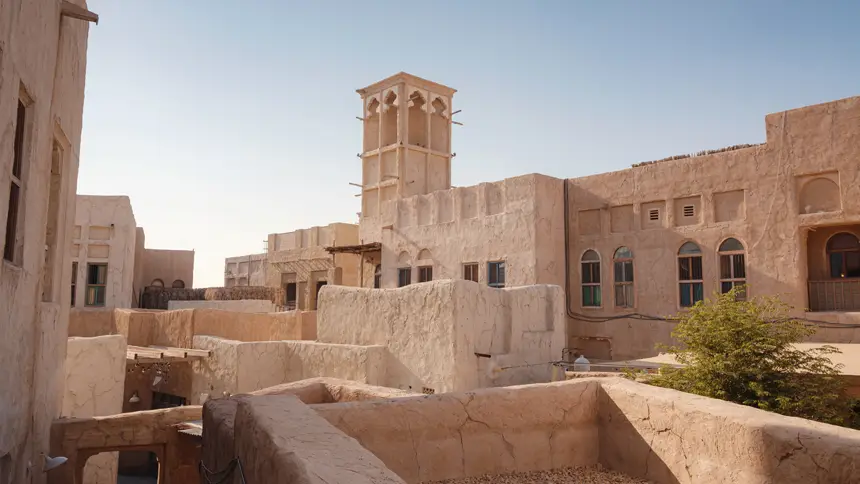
The village features beautifully restored stone houses made from local materials, sturdy watchtowers, and a central fort overlooking the valley. Its ancient falaj irrigation systems once sustained the community, while exhibitions of crafts, tools, and clothing bring the past to life against a stunning mountain backdrop.
The Historical Significance
It reflects the resilience of mountain communities that thrived in a challenging environment. Unlike coastal towns that depended on fishing and trade, Hatta’s residents relied on farming and herding, designing their settlement for safety, water collection, and close community living.
Its defensive structures, including two watchtowers and a central fort, once protected the area and controlled trade routes between Oman and the UAE. Built in the 18th century and restored in 2001 by Dubai Municipality, the village now showcases traditional mountain architecture through more than 30 beautifully preserved buildings.
Architecture and Design
One of the most fascinating aspects of this village is its traditional architecture. Every structure was built with locally available materials like mud, stone, and palm trunks, which helped regulate indoor temperature during both hot days and cool nights.
Architectural Features
- Stone Houses: Made of mountain rocks mixed with mud and straw, providing insulation.
- Palm-Frond Roofs: Known as Areesh, they helped maintain ventilation.
- Wooden Doors and Windows: Crafted by hand, often decorated with simple carvings.
- Watchtowers: Located on higher ground for defense and surveillance.
- Mosque: A small but beautifully preserved place of worship within the village.
The narrow alleys, shaded courtyards, and clustered homes reveal how people lived closely together, sharing water, food, and shelter. Each house had a small kitchen, animal shelter, and storage area, reflecting a lifestyle of self-sufficiency and simplicity.
Cultural Traditions and Heritage Displays
Inside Hatta Heritage Village, visitors can explore exhibition rooms filled with traditional Emirati artifacts that offer a close look at daily life from centuries past. Displays include handwoven clothing, copper pots, clay vessels, coffee-making tools, and historical weapons such as swords and daggers. Musical instruments like drums and flutes, along with handicrafts such as palm-weaving and pottery, showcase the region’s artistic heritage.
Walking through these exhibits reveals how people once lived, celebrated, and connected with one another. Each display reflects the Emirati spirit of hospitality, creativity, and respect for nature, allowing visitors to experience the culture’s warmth and authenticity firsthand.
The Natural Landscape: Where Mountains Embrace Culture
Beyond the village walls, the Hajar Mountains form a striking natural setting. Their rugged slopes, dry wadis (valleys), and hidden pools provide a peaceful atmosphere and numerous photo opportunities. The area’s natural beauty complements its cultural richness, creating a balanced travel experience.
Hatta Dam, Hatta Wadi Hub, Hatta Hill Park, and Rock Pools are nearby natural attractions. The surrounding environment helps visitors connect with the land’s history. The same mountains that now attract tourists once protected villagers and sustained their farms through seasonal rainfall.
Activities and Visitor Experience
It is more than a static museum, it’s a living cultural site. Throughout the year, the area hosts traditional performances, heritage festivals, and educational tours.
What Visitors Can Do
- Join guided tours explaining the history of each building.
- Watch live craft demonstrations by artisans.
- Taste local foods such as fresh dates, honey, and Arabic coffee.
- Participate in cultural workshops on pottery, weaving, or calligraphy.
- Attend music performances showcasing folk dances and traditional songs.
For photographers and nature enthusiasts, early morning and sunset hours are the best times to capture the golden light falling over the mud-brick walls and mountain ridges.
Community Involvement and Preservation Efforts
The restoration of the Village is part of a larger effort to preserve Emirati culture and traditions. Supported by Dubai Municipality and local families, the project focuses on protecting ancient architecture, supporting craftspeople, educating visitors, and promoting eco-friendly tourism. Many Hatta residents continue to take part in cultural programs, storytelling events, and handicraft exhibitions, keeping the village vibrant and alive as a true community rather than just a museum.
Accessibility and Visitor Information
Reaching Hatta Heritage Village is simple and scenic. It’s located around 1 hour and 45 minutes from central Dubai. The drive passes through desert plains that gradually rise into the Hajar Mountains, offering an unforgettable landscape transition.
Visitor Information
- Location: Hatta, Dubai Emirate, UAE
- Entry Fee: Free for all visitors
- Opening Hours: 7:30 AM – 8:30 PM (may vary on weekends)
- Facilities: Parking, restrooms, small café, souvenir stalls
- Best Time to Visit: October to March, when temperatures are cooler
Travelers are encouraged to wear comfortable shoes and carry water, especially if exploring nearby hiking trails. Modest dress is also appreciated, as the village is a cultural and historical site.
The Spirit of Hatta: Old Meets New
What makes Hatta Heritage Village truly special is the harmony between tradition and progress. While Dubai represents futuristic innovation, Hatta stands as a reminder of where it all began. The old stone houses and palm-lined farms tell a story of patience, hard work, and respect for the land.
The area’s development plan by Dubai’s authorities aims to promote sustainable tourism without harming the environment or heritage. Eco-lodges, nature trails, and renewable energy initiatives are part of this vision, ensuring that Hatta’s legacy thrives for generations to come.
Conclusion
Hatta Heritage Village is more than a tourist attraction; it’s a living museum of Emirati culture, surrounded by mountains that guard centuries of stories. Here, the past and present meet in harmony, inviting travelers to experience simplicity, beauty, and connection.
Whether you visit to learn about traditional life, admire mountain views, or simply find peace away from the city, Hatta offers all of it in one place. The calm stone lanes, echoing laughter from local families, and the timeless call to prayer from the mosque create a sense of nostalgia that stays with every visitor. In a world that changes fast, this village reminds us that true richness lies not in modern skyscrapers but in remembering where we come from. It’s a journey into the soul of the mountains, where culture truly meets nature.